
Neurological conditions can range from mild issues like headaches to more serious problems such as memory loss or seizures. Identifying these symptoms early is crucial, as timely diagnosis and treatment can prevent complications and improve overall quality of life. At Galaxy Hospital, Bagdogra, our experienced neurologists specialize in diagnosing and managing disorders related to the brain, spinal cord, and nervous system, ensuring patients receive comprehensive and compassionate care.
Warning Signs to Visit a Neurologist
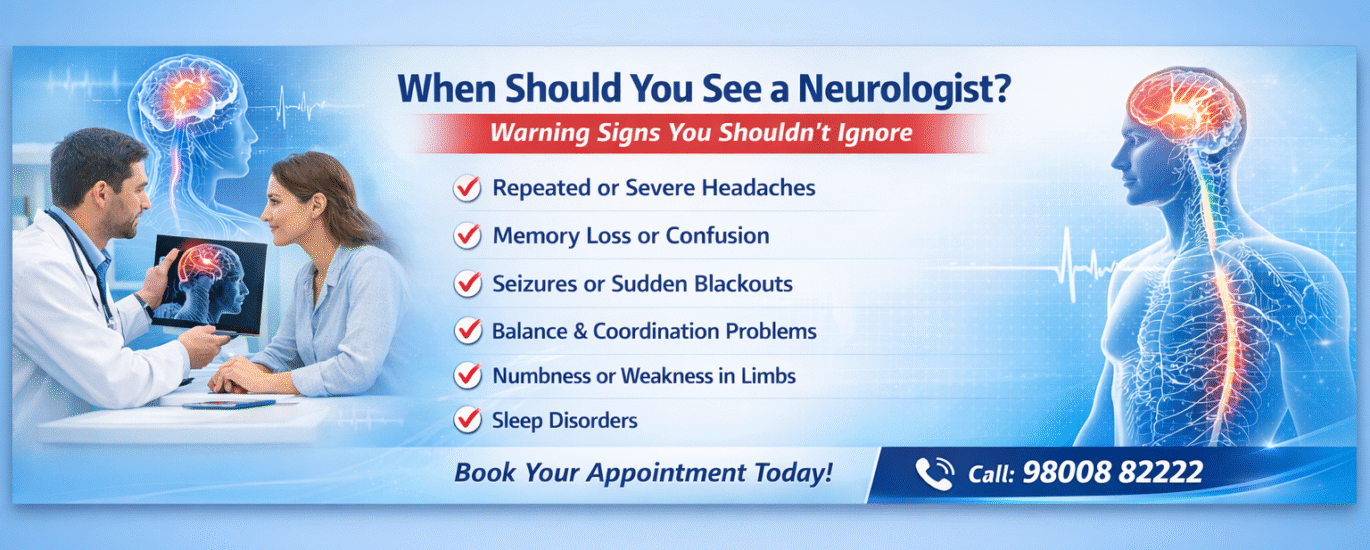
Repeated or Severe Headaches
While occasional headaches are common, frequent or unusually severe headaches should not be ignored. Sudden, intense headaches may signal serious conditions such as a stroke or aneurysm. If headaches are accompanied by nausea, vision disturbances, or difficulty speaking, it is important to seek medical attention promptly.
Memory Loss or Cognitive Decline
Mild forgetfulness can be part of aging, but noticeable memory loss or confusion is not normal. Difficulty remembering names, daily tasks, or familiar places may indicate early signs of neurological conditions such as Alzheimer’s disease or other forms of dementia. Early evaluation can significantly improve treatment outcomes.
Seizures
Seizures involve sudden, uncontrolled electrical activity in the brain and may cause loss of awareness or involuntary movements. They can be linked to conditions like epilepsy, brain infections, or tumors. Immediate consultation is essential for proper diagnosis and treatment.
Trouble with Balance and Coordination
Difficulty walking, frequent falls, or loss of balance can indicate issues with the brain, spinal cord, or nerves. These symptoms may be associated with conditions such as Parkinson’s disease or stroke and should never be overlooked.
Numbness or Weakness in Limbs
Persistent numbness, tingling, or weakness in any part of the body may point to nerve damage or neurological disorders such as multiple sclerosis or peripheral neuropathy. If these symptoms worsen or occur suddenly, urgent medical evaluation is necessary.
Sleep Problems
Neurological conditions can also affect sleep patterns. Disorders like restless leg syndrome, sleep apnea, or narcolepsy may lead to poor sleep quality or excessive daytime fatigue. A neurologist can help identify and treat underlying causes.
Conclusion
If you are experiencing any of these symptoms, don’t delay seeking expert care. The dedicated neurology team at Galaxy Hospital, Bagdogra provides personalized diagnosis and advanced treatment to ensure faster recovery and better health outcomes. Prioritize your well-being—book your appointment today and take the first step toward healthier living.