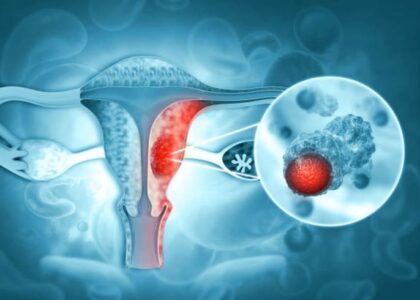


In today’s fast-paced world, many people tend to ignore early warning signs from their bodies. A mild headache, constant fatigue, chest discomfort, or unexplained pain is often brushed aside as stress or temporary exhaustion. However, our bodies have a unique way of signaling when something is wrong. Ignoring these signs can sometimes allow minor health issues to develop into serious medical conditions.
Recognizing symptoms early and seeking timely medical care can prevent complications, improve recovery, and even save lives. While not every symptom indicates a severe illness, certain warning signs should never be ignored.
This blog explores important signs that may indicate your body needs medical attention and why early diagnosis matters.
Why Listening to Your Body Is Important
Your body constantly communicates through symptoms and physical changes. Pain, fatigue, fever, and discomfort are all signals that something may not be functioning properly. Paying attention to these signs helps:
- Detect diseases early
- Prevent worsening of health conditions
- Improve treatment success
- Reduce long-term complications
- Maintain overall well-being
Delaying medical care often makes treatment more difficult and costly.
Persistent Fatigue or Extreme Tiredness
Feeling tired after a busy day is normal. However, constant exhaustion even after proper rest may indicate an underlying medical problem.
Possible Causes
- Anemia
- Thyroid disorders
- Diabetes
- Heart disease
- Sleep disorders
- Vitamin deficiencies
- Depression or anxiety
When to Seek Help
If fatigue lasts for several weeks, affects daily activities, or is accompanied by dizziness, shortness of breath, or weight loss, medical evaluation is important.
Chest Pain or Discomfort
Chest pain should never be ignored, especially if it feels heavy, tight, or pressure-like.
Possible Causes
- Heart attack
- Angina
- Acid reflux
- Lung infection
- Anxiety attacks
Emergency Warning Signs
Seek immediate medical attention if chest pain occurs with:
- Shortness of breath
- Sweating
- Pain spreading to the arm, neck, or jaw
- Nausea
- Dizziness
Prompt treatment can be life-saving during heart-related emergencies.
Unexplained Weight Loss
Losing weight without changes in diet or exercise may be a sign of an underlying illness.
Possible Causes
- Diabetes
- Thyroid disease
- Digestive disorders
- Chronic infections
- Cancer
When It Becomes Concerning
Unexpected weight loss of more than 5–10% of body weight within a few months should be medically evaluated.
Frequent Headaches
Occasional headaches are common, but recurring or severe headaches may require medical attention.
Possible Causes
- Migraine
- High blood pressure
- Eye strain
- Neurological conditions
- Brain injury
Seek Immediate Care If
Headaches are associated with:
- Blurred vision
- Weakness
- Confusion
- Fever
- Sudden severe pain
- Difficulty speaking
Shortness of Breath
Difficulty breathing or feeling breathless during normal activities may indicate serious health issues.
Possible Causes
- Asthma
- Pneumonia
- Heart disease
- Lung disorders
- Anxiety disorders
Emergency Symptoms
Immediate care is needed if shortness of breath occurs suddenly or with:
- Chest pain
- Blue lips
- Rapid heartbeat
- Fainting
Persistent Fever
A fever is the body’s natural response to infection. However, prolonged or high fever may indicate something more serious.
Possible Causes
- Viral infections
- Bacterial infections
- Autoimmune diseases
- Tuberculosis
- Urinary tract infections
When to See a Doctor
Seek medical advice if fever:
- Lasts more than 3 days
- Is extremely high
- Comes with dehydration
- Causes breathing problems
- Is accompanied by severe weakness
Changes in Bowel or Urinary Habits
Sudden changes in digestion or urination patterns can signal medical problems.
Warning Signs
- Blood in urine or stool
- Frequent urination
- Burning sensation during urination
- Persistent constipation or diarrhea
- Dark-colored urine
Possible Causes
- Kidney infection
- Urinary tract infection
- Diabetes
- Digestive disorders
- Colon disease
Ignoring these symptoms can lead to complications if untreated.
Persistent Pain
Ongoing pain is one of the body’s strongest warning signals.
Types of Concerning Pain
- Severe abdominal pain
- Chronic back pain
- Joint pain with swelling
- Pain that worsens over time
Why It Matters
Persistent pain may indicate inflammation, infection, nerve problems, or organ-related diseases.
Skin Changes
Your skin often reflects internal health conditions.
Warning Signs
- Sudden rashes
- Yellowing of skin or eyes
- New or changing moles
- Non-healing wounds
- Unusual bruising
Possible Causes
- Liver disease
- Skin cancer
- Allergic reactions
- Diabetes
- Blood disorders
Early evaluation is especially important for suspicious skin changes.
Swelling in the Body
Swelling in the legs, feet, hands, or face may indicate fluid retention or inflammation.
Possible Causes
- Kidney disease
- Heart failure
- Allergic reactions
- Liver disorders
- Blood circulation problems
Swelling accompanied by breathing difficulty or pain requires urgent care.
Mental Health Changes
Mental and emotional symptoms are also important signs of health issues.
Symptoms to Watch For
- Persistent sadness
- Severe anxiety
- Mood swings
- Memory problems
- Difficulty concentrating
- Sudden behavioral changes
Mental health conditions deserve the same attention as physical illnesses.
When You Should Never Delay Medical Attention
Some symptoms require immediate emergency care, including:
- Sudden chest pain
- Difficulty breathing
- Loss of consciousness
- Severe bleeding
- Stroke symptoms
- Sudden paralysis
- Seizures
Quick action during emergencies can prevent permanent damage.
Importance of Regular Health Checkups
Even if you feel healthy, routine checkups help detect diseases early. Preventive healthcare includes:
- Blood pressure monitoring
- Blood sugar testing
- Cholesterol screening
- Cancer screenings
- Eye and dental checkups
Regular medical care improves long-term health outcomes.
Tips to Maintain Better Health
Healthy Lifestyle Habits
- Eat a balanced diet
- Stay physically active
- Drink enough water
- Get adequate sleep
- Manage stress effectively
- Avoid smoking and excessive alcohol
- Attend regular medical checkups
Simple lifestyle changes can significantly reduce health risks.
Final Thoughts
Your body constantly sends signals about your health. Ignoring symptoms may delay diagnosis and treatment, increasing the risk of complications. While not every ache or discomfort is serious, persistent or unusual symptoms should always be taken seriously.
Seeking medical attention early can lead to faster recovery, better treatment outcomes, and improved quality of life. Listening to your body is one of the most important steps toward protecting your long-term health and well-being.