
Polycystic Ovary Syndrome, commonly known as PCOS, is one of the most common hormonal disorders affecting young women today. It often begins during the teenage years or early twenties and can impact menstrual health, fertility, weight, skin, and emotional well-being. Despite being common, many young women remain undiagnosed because the symptoms are often ignored or mistaken as “normal hormonal changes.”
With changing lifestyles, unhealthy eating habits, stress, lack of physical activity, and increasing obesity rates, the number of PCOS cases among young women is rising rapidly. Early diagnosis and proper treatment can help manage symptoms effectively and reduce long-term health complications.
This blog explains everything you need to know about PCOS — including symptoms, causes, diagnosis, treatment options, and lifestyle changes that can improve quality of life.
What is PCOS?
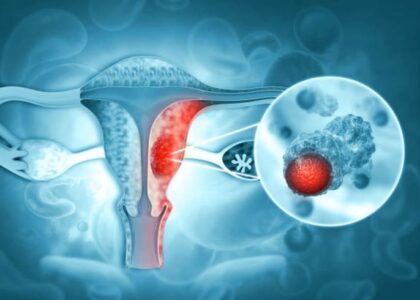
PCOS is a hormonal imbalance that affects how the ovaries function. In women with PCOS, the ovaries may produce excessive male hormones (androgens), leading to irregular ovulation and multiple small cysts in the ovaries.
Normally, ovaries release an egg every month during the menstrual cycle. In PCOS, ovulation may not occur regularly, which can cause irregular periods and fertility problems.
Although the term “polycystic ovaries” suggests ovarian cysts, not every woman with PCOS develops cysts. The condition is mainly related to hormone imbalance and metabolic issues.
Common Symptoms of PCOS in Young Women
Symptoms of PCOS can vary from person to person. Some women experience mild symptoms, while others may face significant hormonal and metabolic disturbances.
1. Irregular Menstrual Cycles
One of the earliest signs of PCOS is irregular periods. Women may experience:
- Delayed periods
- Missed periods
- Very light bleeding
- Heavy menstrual bleeding
- Fewer than 8 periods a year
Irregular ovulation is usually the main reason behind these changes.
2. Excessive Hair Growth (Hirsutism)
Higher androgen levels can lead to unwanted hair growth on areas such as:
- Face
- Chin
- Chest
- Back
- Abdomen
This symptom can affect self-confidence and emotional health.
3. Acne and Oily Skin
Hormonal imbalance often increases oil production in the skin, causing:
- Persistent acne
- Painful pimples
- Oily skin
- Acne scars
PCOS-related acne is commonly seen on the jawline, cheeks, and chin.
4. Weight Gain and Difficulty Losing Weight
Many women with PCOS experience weight gain, especially around the abdomen. Insulin resistance — a common feature of PCOS — makes weight management difficult.
Even small weight loss can significantly improve symptoms and hormonal balance.
5. Hair Thinning or Hair Loss
PCOS may lead to thinning hair or female-pattern hair loss due to elevated androgen levels.
Women may notice:
- Excessive hair fall
- Reduced hair volume
- Thinning at the crown area
6. Dark Skin Patches
Some women develop dark, velvety skin patches around:
- Neck
- Underarms
- Groin
This condition is called acanthosis nigricans and is often linked to insulin resistance.
7. Difficulty Getting Pregnant
Since ovulation becomes irregular in PCOS, fertility may be affected. However, many women with PCOS can conceive successfully with proper treatment and lifestyle management.
8. Mood Changes and Mental Health Issues
PCOS can also affect emotional well-being. Women may experience:
- Anxiety
- Depression
- Mood swings
- Low self-esteem
- Stress related to body image
Mental health support is an important part of PCOS management.
Causes of PCOS
The exact cause of PCOS is still unknown, but several factors contribute to its development.
Hormonal Imbalance
Increased androgen levels interfere with normal ovulation and menstrual cycles.
Insulin Resistance
Many women with PCOS have insulin resistance, where the body cannot use insulin effectively. This leads to increased insulin levels, which may trigger more androgen production.
Genetics
PCOS often runs in families. If a mother or sister has PCOS, the chances of developing the condition may increase.
Inflammation
Low-grade inflammation in the body may also contribute to hormone imbalance and insulin resistance.
How is PCOS Diagnosed?
Doctors diagnose PCOS based on symptoms, medical history, physical examination, and tests.
Common Diagnostic Methods
Blood Tests
These help check:
- Hormone levels
- Blood sugar levels
- Insulin resistance
- Cholesterol levels
Ultrasound
A pelvic ultrasound may show enlarged ovaries or multiple small follicles.
Menstrual History
Irregular cycles are an important clue for diagnosis.
Complications of Untreated PCOS
Without proper treatment, PCOS may increase the risk of several health problems:
- Type 2 Diabetes
- High blood pressure
- High cholesterol
- Infertility
- Sleep apnea
- Obesity
- Depression and anxiety
- Heart disease
- Endometrial cancer
Early management can greatly reduce these risks.
Treatment Options for PCOS
There is no permanent cure for PCOS, but symptoms can be effectively managed through medical treatment and lifestyle changes.
1. Lifestyle Modifications
Lifestyle improvement is the first and most important step.
Healthy Diet
A balanced diet helps regulate hormones and insulin levels.
Recommended foods:
- Fresh fruits and vegetables
- Whole grains
- Lean proteins
- Nuts and seeds
- High-fiber foods
Avoid:
- Sugary foods
- Processed snacks
- Soft drinks
- Excess fried foods
2. Regular Exercise
Physical activity improves insulin sensitivity and helps manage weight.
Recommended activities:
- Walking
- Yoga
- Cycling
- Strength training
- Swimming
Aim for at least 30 minutes of exercise most days of the week.
3. Weight Management
Even losing 5–10% of body weight can improve:
- Menstrual cycles
- Fertility
- Insulin resistance
- Hormone balance
4. Medications
Doctors may prescribe medications depending on symptoms.
Birth Control Pills
Help regulate periods and reduce acne and excessive hair growth.
Insulin-Sensitizing Medicines
These improve insulin resistance and blood sugar control.
Fertility Medicines
Used for women trying to conceive.
Acne Treatments
Medications may help control severe acne.
Always consult a healthcare professional before starting any treatment.
Natural Ways to Manage PCOS
Some healthy habits may help improve symptoms naturally:
- Getting enough sleep
- Reducing stress
- Practicing yoga or meditation
- Staying hydrated
- Maintaining consistent meal timings
These changes support hormonal balance and overall health.
PCOS and Fertility
Many women worry that PCOS means they cannot become pregnant. However, with proper treatment, many women with PCOS conceive naturally or with medical support.
Fertility treatments may include:
- Ovulation-inducing medicines
- Lifestyle management
- Assisted reproductive techniques when needed
Early diagnosis improves fertility outcomes significantly.
Emotional Impact of PCOS
Living with PCOS can affect confidence, relationships, and mental health. Physical symptoms like acne, weight gain, and hair growth may create emotional stress.
Support from:
- Family
- Friends
- Doctors
- Counselors
- Support groups
can make coping easier.
Mental health care should always be considered part of PCOS treatment.
When Should You See a Doctor?
Consult a healthcare professional if you experience:
- Irregular or missed periods
- Sudden weight gain
- Severe acne
- Excessive facial hair
- Difficulty getting pregnant
- Persistent fatigue
Early diagnosis can prevent future complications and improve quality of life.
Conclusion
Polycystic Ovary Syndrome is a common but manageable condition affecting millions of young women worldwide. While it can impact physical appearance, fertility, and emotional well-being, proper treatment and healthy lifestyle habits can significantly improve symptoms and overall health.
Awareness, early diagnosis, regular medical care, balanced nutrition, exercise, and emotional support play a major role in managing PCOS successfully. Young women should never ignore irregular periods or persistent hormonal symptoms, as timely care can prevent long-term health complications and improve future reproductive health.