
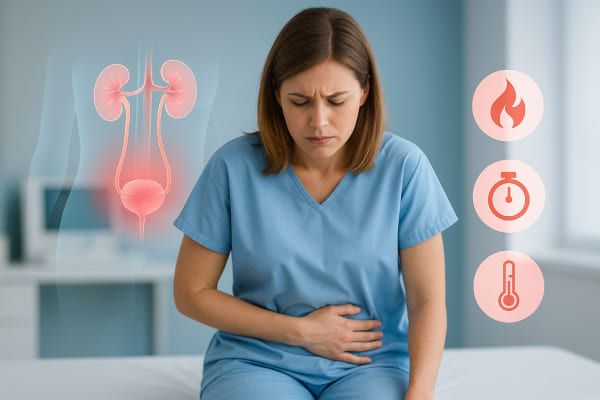
Do you often feel the need to urinate even after just visiting the washroom? Does the urge suddenly appear and become difficult to control? If frequent urination is affecting your sleep, daily routine, travel, work, or confidence, it may be more than just drinking extra water. In many cases, these symptoms can be linked to bladder sensitivity or an overactive bladder.
Bladder sensitivity is a common condition that affects people of all ages, especially adults and older individuals. Many people ignore the symptoms out of embarrassment or assume it is a normal part of aging. However, understanding the signs early can help prevent discomfort and improve quality of life.
This blog explains the symptoms, causes, risk factors, diagnosis, treatment options, and prevention tips related to bladder sensitivity.
What Is Bladder Sensitivity?
Bladder sensitivity refers to a condition where the bladder becomes overly reactive, causing a sudden and frequent urge to urinate. Even when the bladder is not full, the muscles may signal the brain that it is time to empty the bladder urgently.
This condition is often associated with:
- Overactive bladder (OAB)
- Urinary urgency
- Frequent urination
- Urge incontinence
- Bladder irritation
The condition can affect both men and women and may occur temporarily or become chronic if untreated.
Common Signs and Symptoms of Bladder Sensitivity
1. Frequent Urination
Needing to urinate more than 8 times a day can indicate bladder sensitivity. Some people feel the urge every hour.
2. Sudden Urgency
A strong and immediate urge to urinate that is difficult to delay is one of the most noticeable symptoms.
3. Nighttime Urination (Nocturia)
Waking up multiple times during the night to urinate can disturb sleep and lead to fatigue.
4. Urine Leakage
Some individuals may accidentally leak urine before reaching the toilet due to the sudden urge.
5. Discomfort or Pressure
A feeling of pressure in the lower abdomen or bladder region may occur even with small amounts of urine.
6. Reduced Daily Confidence
People with bladder sensitivity often avoid long trips, social events, or crowded places because they constantly look for nearby washrooms.
Causes of Bladder Sensitivity
Several factors can trigger bladder irritation or overactivity.
Urinary Tract Infections (UTIs)
Infections can inflame the bladder and increase urinary urgency and frequency.
Excessive Caffeine or Alcohol
Tea, coffee, soft drinks, and alcohol can irritate the bladder lining and increase urine production.
Weak Pelvic Floor Muscles
Pelvic muscles help control urination. Weakness due to aging, childbirth, or obesity can contribute to bladder problems.
Neurological Conditions
Conditions such as stroke, Parkinson’s disease, spinal cord injuries, or diabetes may affect bladder nerve signals.
Enlarged Prostate in Men
An enlarged prostate can put pressure on the bladder and create frequent urges to urinate.
Hormonal Changes
Women during menopause may experience bladder sensitivity due to reduced estrogen levels.
Stress and Anxiety
Mental stress can sometimes worsen bladder symptoms and increase urinary frequency.
Who Is More at Risk?
Certain individuals are more likely to experience bladder sensitivity:
- Older adults
- Women after childbirth or menopause
- Men with prostate problems
- People with obesity
- Individuals with diabetes
- Those who consume high amounts of caffeine
- People with chronic constipation
- Patients with neurological disorders
When Should You See a Doctor?
Frequent urination should not be ignored if it:
- Disturbs sleep regularly
- Causes urine leakage
- Is associated with burning or pain
- Includes blood in urine
- Affects daily life or emotional well-being
- Continues for several weeks
A medical evaluation can help identify the exact cause and rule out infections or other urinary disorders.
How Is Bladder Sensitivity Diagnosed?
Doctors may recommend several tests to understand bladder function.
Medical History and Symptom Review
The doctor may ask about fluid intake, frequency of urination, medications, and symptoms.
Urine Test
This helps detect infections, blood, or diabetes-related changes.
Bladder Diary
Patients may be asked to record urination frequency, fluid intake, and urgency episodes.
Ultrasound or Scan
Imaging tests can evaluate bladder emptying and identify structural problems.
Urodynamic Testing
This specialized test measures how well the bladder stores and releases urine.
Treatment Options for Bladder Sensitivity
Lifestyle Changes
Simple changes can significantly reduce symptoms.
Reduce Bladder Irritants
Limit:
- Tea and coffee
- Alcohol
- Spicy foods
- Carbonated drinks
Drink Water Wisely
Avoid drinking large amounts of fluid at once, especially before bedtime.
Weight Management
Maintaining a healthy weight reduces pressure on the bladder.
Bladder Training
Bladder training teaches the bladder to hold urine longer by gradually increasing the time between bathroom visits.
This method can improve bladder control over time with consistency and patience.
Pelvic Floor Exercises
Kegel exercises strengthen pelvic floor muscles and help improve bladder control.
These exercises are especially beneficial for:
- Women after childbirth
- Older adults
- Patients with urine leakage
Medications
Doctors may prescribe medications that relax bladder muscles and reduce urgency.
It is important to take medicines only under medical supervision, as some may cause side effects like dry mouth or constipation.
Advanced Treatment Options
In severe cases, advanced therapies may be recommended, such as:
- Nerve stimulation therapy
- Botox injections into the bladder
- Minimally invasive procedures
These treatments are usually considered when lifestyle changes and medications do not provide relief.
Tips to Prevent Bladder Sensitivity
- Maintain proper hydration
- Avoid excessive caffeine
- Exercise regularly
- Do not hold urine for too long
- Prevent constipation
- Practice pelvic floor exercises
- Maintain healthy blood sugar levels
- Seek early treatment for urinary infections
Living Comfortably With Bladder Sensitivity
Bladder sensitivity can feel frustrating and emotionally exhausting, but it is manageable with the right care and treatment. Early diagnosis and healthy lifestyle habits can greatly improve bladder control and daily comfort.
Ignoring symptoms may worsen the condition over time, so it is important to seek medical advice if frequent urination becomes persistent.
Conclusion
A constant urge to urinate is not always normal and may indicate bladder sensitivity or an overactive bladder condition. Symptoms such as urgency, frequent urination, nighttime bathroom visits, and urine leakage should not be ignored.
Understanding the causes and taking early steps toward treatment can help restore comfort, confidence, and quality of life. If symptoms continue or interfere with daily activities, consulting a healthcare professional is the best way to identify the underlying problem and receive proper care.