

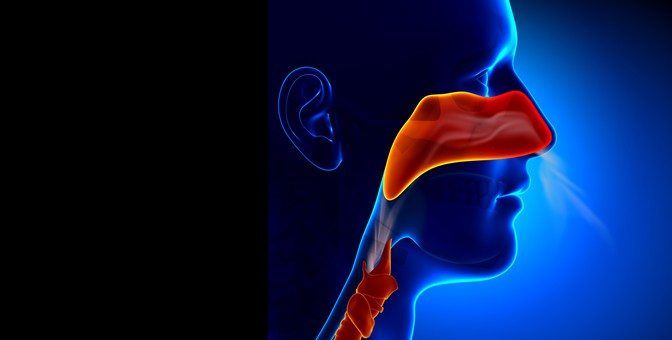
Weather changes can affect more than just your daily routine — they can also trigger uncomfortable sinus problems. Many people notice increased nasal congestion, headaches, sneezing, and facial pressure during seasonal transitions, especially when moving from summer to monsoon or winter to spring. Sudden changes in temperature, humidity, air pressure, and allergens can irritate the sinus passages and worsen existing sinus conditions.
Understanding why sinus issues become more common during weather changes can help you manage symptoms early and avoid complications.
What Are Sinuses?
Sinuses are air-filled cavities located around the nose, cheeks, forehead, and eyes. These spaces produce mucus that helps keep the nose moist and traps dust, bacteria, and allergens. Normally, mucus drains smoothly through small openings in the nasal passages.
However, when the sinus lining becomes inflamed due to allergies, infections, or weather changes, mucus drainage gets blocked. This leads to sinus congestion and discomfort, commonly known as sinusitis.
Why Weather Changes Trigger Sinus Problems
Weather fluctuations can directly impact the sensitive lining of the nose and sinuses. Several environmental factors contribute to sinus irritation:
1. Sudden Temperature Changes
Moving between hot outdoor temperatures and cold indoor air conditioning can irritate nasal tissues. Cold air may dry out the sinus passages, leading to inflammation and blockage.
2. Increased Humidity During Monsoon
High humidity creates an ideal environment for mold, dust mites, and bacteria. These allergens can trigger sinus swelling and excessive mucus production.
3. Dry Winter Air
Dry air during winter can reduce moisture in the nasal passages, making the sinuses more vulnerable to irritation and infection.
4. Seasonal Allergens
Pollen, dust, smoke, and pollution levels often rise during seasonal transitions. People with allergies are more likely to experience sinus congestion during these times.
5. Changes in Air Pressure
Rapid changes in atmospheric pressure can create pressure differences inside the sinus cavities, causing headaches, facial pain, and discomfort.
Common Symptoms of Sinus Problems
Sinus-related symptoms can vary from mild irritation to severe discomfort. Common signs include:
- Nasal congestion or blocked nose
- Thick mucus discharge
- Facial pressure or pain
- Headache
- Sneezing
- Postnasal drip
- Sore throat
- Cough, especially at night
- Reduced sense of smell
- Ear pressure or fullness
- Fever in case of infection
If symptoms continue for more than 10 days or become severe, medical attention may be necessary.
Who Is More at Risk?
Certain individuals are more likely to experience sinus problems during weather changes:
- People with allergies
- Asthma patients
- Smokers
- Individuals with weak immunity
- People exposed to pollution or dust regularly
- Those with chronic sinusitis
- Individuals with nasal polyps or deviated septum
How to Prevent Sinus Problems During Seasonal Changes
Preventive care plays a major role in reducing sinus discomfort. Here are some effective ways to protect your sinuses:
Stay Hydrated
Drinking enough water helps thin mucus, making it easier for the sinuses to drain properly.
Use a Humidifier
A humidifier can maintain indoor moisture levels and prevent nasal dryness, especially during winter.
Avoid Sudden Temperature Exposure
Try to avoid moving quickly between extremely hot and cold environments.
Keep Allergens Under Control
Clean your surroundings regularly to reduce dust, mold, and pollen exposure.
Practice Steam Inhalation
Warm steam helps open blocked nasal passages and provides relief from congestion.
Maintain Good Hygiene
Frequent handwashing can reduce the risk of viral infections that may trigger sinusitis.
Strengthen Immunity
A healthy diet, proper sleep, regular exercise, and vitamin-rich foods help improve immune function.
Avoid Smoking and Pollution
Smoke and polluted air irritate the nasal lining and worsen sinus inflammation.
Home Remedies for Sinus Relief
Several simple home remedies may help relieve mild sinus symptoms:
- Warm saline nasal rinse
- Steam inhalation with plain water
- Warm compress over the face
- Ginger tea or warm fluids
- Rest and adequate hydration
However, avoid excessive use of nasal sprays without medical advice.
When Should You See a Doctor?
Consult a healthcare professional if you experience:
- Severe facial pain
- High fever
- Persistent sinus symptoms beyond 10–14 days
- Difficulty breathing
- Swelling around the eyes
- Frequent sinus infections
- Blood in nasal discharge
Early diagnosis can prevent chronic sinus complications.
Treatment Options for Sinus Problems
Depending on the cause and severity, treatment may include:
- Antihistamines for allergies
- Decongestants
- Nasal saline sprays
- Antibiotics for bacterial infections
- Steroid nasal sprays
- Allergy management therapy
- Surgery in severe chronic cases
Always take medications under medical supervision.
Conclusion
Sinus problems during weather changes are extremely common and can affect daily comfort and productivity. Seasonal temperature shifts, humidity changes, allergens, and pollution all contribute to sinus irritation and congestion. Fortunately, proper preventive measures, lifestyle adjustments, and timely treatment can help manage symptoms effectively.
Pay attention to early warning signs, maintain good nasal hygiene, and seek medical care when symptoms become persistent or severe. Taking care of your sinuses during seasonal transitions can greatly improve your overall respiratory health.