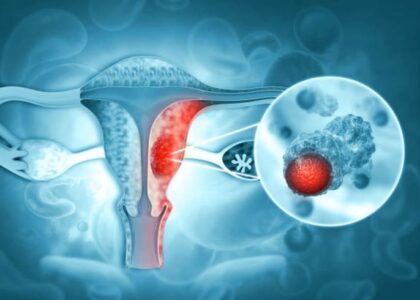


Burning urination, medically known as dysuria, is a common health problem that affects people of all ages. It causes pain, burning, or discomfort while passing urine and may indicate an infection or another underlying medical condition. While mild cases may resolve quickly, persistent or severe burning urination should never be ignored, as it can sometimes signal a more serious health issue.
Understanding the causes, symptoms, treatment options, and prevention methods can help individuals seek timely medical care and maintain good urinary health.
What Is Burning Urination?
Burning urination refers to a painful or stinging sensation during or after urinating. The discomfort may occur in the urethra, bladder area, or lower abdomen. In many cases, it is linked to urinary tract infections (UTIs), but several other conditions can also trigger this symptom.
Both men and women can experience burning urination, though women are generally more prone to urinary infections due to their shorter urethra.
Common Causes of Burning Urination
1. Urinary Tract Infection (UTI)
UTIs are among the most common causes of burning urination. These infections occur when bacteria enter the urinary tract and multiply.
Symptoms of UTI:
- Burning sensation while urinating
- Frequent urge to urinate
- Cloudy or foul-smelling urine
- Lower abdominal pain
- Fever in severe cases
Women are more likely to develop UTIs, especially during pregnancy or after sexual activity.
2. Dehydration
Not drinking enough water can make urine highly concentrated, which may irritate the urinary tract and cause burning sensations.
Signs of dehydration:
- Dark yellow urine
- Dry mouth
- Fatigue
- Dizziness
Increasing water intake often helps reduce discomfort.
3. Sexually Transmitted Infections (STIs)
Certain sexually transmitted infections such as chlamydia, gonorrhea, or herpes can lead to painful urination.
Additional symptoms may include:
- Genital discharge
- Sores or rashes
- Pelvic pain
- Pain during intercourse
Early diagnosis and treatment are essential to prevent complications.
4. Kidney Stones
Kidney stones are hard mineral deposits that form in the kidneys and may cause severe pain when passing through the urinary tract.
Symptoms include:
- Burning urination
- Sharp lower back pain
- Blood in urine
- Nausea or vomiting
Small stones may pass naturally, while larger stones may require medical procedures.
5. Vaginal or Fungal Infections
In women, yeast infections or vaginal irritation can sometimes cause pain during urination.
Symptoms:
- Itching
- White vaginal discharge
- Redness and irritation
Proper antifungal treatment usually resolves the condition.
6. Prostate Problems in Men
Men with enlarged prostate or prostatitis may experience burning urination along with difficulty passing urine.
Common symptoms:
- Weak urine flow
- Frequent urination at night
- Pelvic discomfort
- Painful ejaculation
Medical evaluation is important for accurate diagnosis.
7. Chemical Irritation
Certain soaps, perfumes, bubble baths, or hygiene products can irritate the sensitive skin around the urinary opening.
Avoiding harsh chemical products often improves symptoms.
Symptoms Associated with Burning Urination
Burning urination may occur along with several other symptoms, including:
- Frequent urination
- Urgent need to urinate
- Blood in urine
- Lower abdominal pain
- Fever or chills
- Foul-smelling urine
- Pelvic pain
- Difficulty emptying the bladder
If symptoms become severe or persistent, medical attention is necessary.
When Should You See a Doctor?
You should consult a healthcare professional if:
- Burning urination lasts more than 2 days
- Fever or chills develop
- Blood appears in urine
- Severe abdominal or back pain occurs
- Symptoms keep returning
- There is unusual genital discharge
- You are pregnant
Ignoring symptoms may increase the risk of kidney infections or other complications.
Diagnosis of Burning Urination
Doctors may recommend several tests to determine the exact cause, including:
Urine Test
Checks for infection, blood, or abnormal substances.
Urine Culture
Identifies the bacteria causing infection.
Blood Tests
Used to detect kidney problems or systemic infections.
Ultrasound or CT Scan
Helpful for detecting kidney stones or structural abnormalities.
STI Screening
Recommended if a sexually transmitted infection is suspected.
Treatment Options for Burning Urination
Treatment depends on the underlying cause.
1. Antibiotics
Used for bacterial infections such as UTIs or certain STIs.
2. Antifungal Medications
Prescribed for fungal or yeast infections.
3. Increased Water Intake
Helps flush bacteria and toxins from the urinary tract.
4. Pain Relief Medications
Doctors may recommend medicines to reduce discomfort and inflammation.
5. Kidney Stone Treatment
Small stones may pass naturally, while larger stones may require procedures like lithotripsy or surgery.
6. Lifestyle Changes
Avoiding spicy foods, alcohol, caffeine, and irritant hygiene products can help reduce symptoms.
Home Remedies to Relieve Burning Urination
While medical treatment may be necessary, some home remedies can provide relief:
Drink Plenty of Water
Keeps the urinary tract clean and diluted.
Consume Cranberry Juice
May help reduce bacterial growth in mild UTIs.
Avoid Holding Urine
Frequent urination helps flush out bacteria.
Maintain Proper Hygiene
Clean the genital area properly to prevent infections.
Wear Cotton Underwear
Helps reduce moisture and irritation.
Prevention Tips
Preventing urinary problems is often possible with healthy habits.
Important Prevention Measures:
- Stay hydrated daily
- Maintain genital hygiene
- Urinate after sexual activity
- Avoid excessive caffeine and alcohol
- Do not ignore urinary symptoms
- Wear loose-fitting clothes
- Practice safe sex
Complications of Untreated Burning Urination
If left untreated, the condition may lead to:
- Kidney infections
- Recurrent UTIs
- Bladder damage
- Infertility in severe STI cases
- Chronic pelvic pain
Early diagnosis significantly reduces these risks.
Conclusion
Burning urination is a common symptom that can result from infections, dehydration, kidney stones, or other urinary problems. Although mild cases may improve with hydration and hygiene, persistent or severe symptoms require medical attention. Proper diagnosis and timely treatment are essential to prevent complications and maintain urinary health.
Maintaining healthy lifestyle habits, drinking enough water, and seeking early medical care can help protect against urinary tract problems and improve overall well-being.