
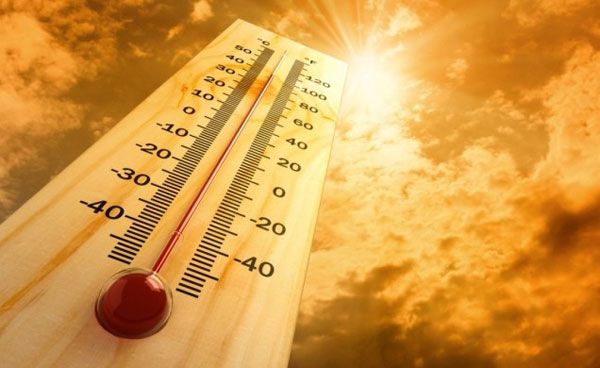
Summer brings sunshine, vacations, outdoor activities, and longer days, but it also increases the risk of heat-related illnesses. Among them, heat stroke is the most serious and potentially life-threatening condition. Every year, extreme heat affects millions of people worldwide, especially children, elderly adults, outdoor workers, athletes, and individuals with chronic illnesses.
Understanding the symptoms of heat stroke and learning effective summer safety tips can help prevent dangerous complications and protect your health during hot weather.
What Is Heat Stroke?
Heat stroke is a severe heat-related illness that occurs when the body’s temperature rises rapidly and can no longer cool itself effectively. Normally, the body regulates temperature through sweating, but during extreme heat or prolonged sun exposure, this cooling system may fail.
A person suffering from heat stroke can develop a body temperature of 104°F (40°C) or higher, which can damage the brain, heart, kidneys, and muscles if not treated immediately.
Heat stroke is considered a medical emergency and requires urgent care.
Causes of Heat Stroke
Heat stroke usually develops due to prolonged exposure to high temperatures or intense physical activity in hot weather. Common causes include:
- Staying outdoors under direct sunlight for long hours
- Dehydration and inadequate water intake
- Excessive physical exercise during peak heat hours
- Wearing tight or heavy clothing
- Poor ventilation in hot environments
- Alcohol consumption during extreme heat
- Certain medications affecting hydration or body temperature
High humidity can also worsen the condition because sweat evaporates more slowly, reducing the body’s ability to cool down.
Common Symptoms of Heat Stroke
Recognizing the warning signs early can save lives. Symptoms may appear suddenly or gradually.
1. Extremely High Body Temperature
A core body temperature above 104°F (40°C) is the primary sign of heat stroke.
2. Hot, Red, and Dry Skin
The skin may feel hot to the touch. In some cases, sweating stops completely.
3. Severe Headache
Heat stroke often causes a throbbing headache due to overheating and dehydration.
4. Dizziness and Weakness
A person may feel faint, weak, or unable to stand properly.
5. Rapid Heartbeat
The heart works harder to cool the body, causing a fast pulse.
6. Nausea and Vomiting
Digestive discomfort is common during heat exhaustion and heat stroke.
7. Confusion or Altered Mental State
Confusion, slurred speech, irritability, agitation, or strange behavior may occur.
8. Muscle Cramps
Painful muscle cramps may develop due to fluid and salt loss.
9. Difficulty Breathing
Breathing may become shallow or rapid.
10. Loss of Consciousness
In severe cases, the person may faint or become unconscious.
Heat Exhaustion vs Heat Stroke
Heat exhaustion is less severe but can quickly progress to heat stroke if ignored.
| Heat Exhaustion | Heat Stroke |
|---|---|
| Heavy sweating | Little or no sweating |
| Cool, clammy skin | Hot, dry skin |
| Fatigue and weakness | Confusion or unconsciousness |
| Mild dizziness | Severe dizziness |
| Body temperature below 104°F | Body temperature above 104°F |
Immediate treatment is essential to prevent complications.
Who Is Most at Risk?
Certain groups are more vulnerable to heat stroke, including:
- Elderly individuals
- Infants and young children
- Outdoor laborers
- Athletes
- Pregnant women
- People with heart disease or diabetes
- Individuals who are dehydrated
- People living in poorly ventilated homes
First Aid for Heat Stroke
If someone shows signs of heat stroke, take immediate action:
Move to a Cooler Place
Shift the person to shade or an air-conditioned area.
Lower Body Temperature
Use cool water, wet cloths, ice packs, or a fan to cool the body.
Hydrate Carefully
If the person is conscious, provide cool water or oral rehydration fluids.
Remove Excess Clothing
Loosen or remove unnecessary clothing to help body cooling.
Seek Emergency Medical Help
Call emergency services immediately if symptoms are severe or worsening.
Never ignore confusion, unconsciousness, or high fever during summer.
Summer Safety Tips to Prevent Heat Stroke
Preventing heat stroke is much easier than treating it. Follow these important summer safety tips:
1. Stay Hydrated
Drink plenty of water throughout the day, even if you do not feel thirsty. Dehydration is one of the leading causes of heat-related illnesses.
Best Hydration Tips:
- Carry a water bottle outdoors
- Drink coconut water or electrolyte drinks
- Avoid excessive caffeine and alcohol
- Eat water-rich fruits like watermelon, cucumber, and oranges
2. Avoid Direct Sun Exposure
Try to stay indoors during the hottest part of the day, usually between 11 AM and 4 PM.
If going outside is necessary:
- Use umbrellas or hats
- Wear sunglasses
- Stay in shaded areas whenever possible
3. Wear Lightweight Clothing
Choose:
- Light-colored clothes
- Loose-fitting cotton fabrics
- Breathable materials
Dark and tight clothing traps heat and increases sweating.
4. Use Sunscreen
Sunburn affects the body’s ability to cool itself. Apply sunscreen with SPF 30 or higher before stepping outdoors.
5. Never Leave Children or Pets in Cars
Even for a few minutes, temperatures inside parked vehicles can rise dangerously fast and become fatal.
6. Eat Light Meals
Heavy meals increase body heat production. During summer:
- Eat smaller meals frequently
- Include fruits and salads
- Avoid oily and spicy foods
7. Take Frequent Breaks Outdoors
People working outside should:
- Rest in shaded or cool places
- Drink water regularly
- Avoid overexertion
8. Keep Your Home Cool
Use:
- Fans or air conditioning
- Curtains to block sunlight
- Proper ventilation
Take cool showers to reduce body temperature.
9. Monitor Weather Alerts
During heatwaves, follow public health warnings and avoid unnecessary travel or outdoor activity.
10. Protect Elderly Family Members
Older adults may not feel thirst quickly and can become dehydrated easily. Ensure they:
- Drink enough fluids
- Stay in cool environments
- Avoid prolonged heat exposure
Importance of Hydration During Summer
Water plays a crucial role in:
- Regulating body temperature
- Preventing fatigue
- Maintaining blood circulation
- Supporting kidney function
Losing too much fluid through sweating without proper replacement increases the risk of dehydration, heat exhaustion, and heat stroke.
Long-Term Complications of Heat Stroke
Without immediate treatment, heat stroke can lead to serious complications such as:
- Brain damage
- Kidney failure
- Heart problems
- Muscle breakdown
- Organ failure
Severe cases may even become fatal.
Conclusion
Heat stroke is a dangerous but preventable summer health condition. Recognizing early symptoms such as high fever, dizziness, confusion, and dehydration can help save lives. Staying hydrated, avoiding extreme heat, wearing proper clothing, and taking summer precautions are essential for protecting yourself and your loved ones.
During hot weather, prioritize hydration and avoid excessive sun exposure. A few simple preventive steps can make summer safer, healthier, and more enjoyable for everyone.