
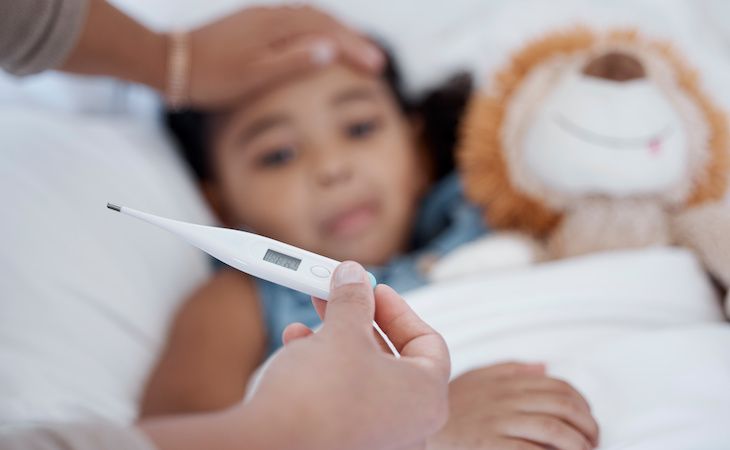
Children falling sick often is one of the biggest concerns for parents. From recurring colds and coughs to stomach infections and seasonal fevers, frequent illness can affect a child’s growth, school attendance, sleep, and overall well-being. While occasional sickness is a normal part of childhood as the immune system develops, repeated illnesses may indicate underlying lifestyle, environmental, or health-related factors that need attention.
Understanding why children become sick frequently can help parents take preventive measures and ensure healthier development. This article explores the most common reasons children fall ill repeatedly and practical ways to improve their immunity and overall health.
1. Developing Immune System
One of the primary reasons children fall sick more often than adults is that their immune system is still developing. Young children are constantly exposed to new viruses and bacteria, especially when they start school, daycare, or outdoor activities.
Their body takes time to build immunity against common infections. As a result, children may experience:
- Frequent colds
- Fever
- Sore throat
- Ear infections
- Mild stomach infections
In many cases, getting sick occasionally is a natural part of strengthening the immune system.
2. Poor Nutrition and Unhealthy Eating Habits
A balanced diet plays a crucial role in maintaining a strong immune system. Children who consume excessive junk food, sugary snacks, soft drinks, or processed foods may not receive the essential vitamins and minerals needed for healthy growth.
Nutritional deficiencies, especially lack of:
- Vitamin C
- Vitamin D
- Iron
- Zinc
- Protein
can weaken immunity and make children more prone to infections.
Tips for Better Nutrition
- Include fresh fruits and vegetables daily
- Encourage homemade meals
- Provide protein-rich foods like eggs, fish, lentils, and milk
- Reduce packaged snacks and sugary beverages
- Keep children hydrated
3. Lack of Proper Sleep
Sleep is essential for a child’s physical and mental development. During sleep, the body repairs tissues and strengthens the immune system. Children who do not get enough sleep may become tired, irritable, and more vulnerable to illnesses.
Recommended Sleep Duration
- Toddlers: 11–14 hours
- School-age children: 9–12 hours
- Teenagers: 8–10 hours
Late-night screen time, irregular routines, and excessive mobile use can negatively affect sleep quality.
4. Poor Hygiene Practices
Children often touch contaminated surfaces and may forget to wash their hands before eating. Poor hygiene significantly increases the risk of viral and bacterial infections.
Common hygiene-related illnesses include:
- Cold and flu
- Food poisoning
- Stomach infections
- Eye infections
Healthy Hygiene Habits
- Wash hands regularly with soap
- Keep nails trimmed and clean
- Teach children to cover coughs and sneezes
- Avoid sharing water bottles or utensils
- Maintain clean surroundings
5. Exposure to Pollution and Allergens
Environmental pollution can weaken respiratory health in children. Dust, smoke, pollen, pet dander, and poor air quality may trigger allergies and breathing problems.
Children exposed to passive smoking or polluted environments may experience:
- Frequent cough
- Wheezing
- Asthma flare-ups
- Sinus infections
Keeping indoor spaces clean and ensuring proper ventilation can help reduce exposure.
6. Frequent Exposure to Germs at School or Daycare
Schools and daycare centers are common places where infections spread quickly. Children often share toys, books, and classroom spaces, increasing contact with germs.
Viruses such as:
- Common cold
- Influenza
- Hand-foot-and-mouth disease
- Stomach viruses
can spread easily among children in crowded environments.
While this exposure helps build immunity over time, maintaining hygiene and vaccinations is important.
7. Incomplete Vaccination
Vaccines protect children from serious infections and complications. Missing scheduled vaccinations can leave children vulnerable to preventable diseases.
Routine immunization helps prevent illnesses such as:
- Measles
- Mumps
- Rubella
- Polio
- Influenza
- Hepatitis
Parents should follow the recommended vaccination schedule and attend regular pediatric check-ups.
8. Stress and Emotional Health
Emotional well-being also affects physical health. Stress from academic pressure, family issues, bullying, or excessive screen exposure can weaken immunity in children.
Signs of stress in children may include:
- Poor sleep
- Loss of appetite
- Irritability
- Frequent headaches or stomachaches
Creating a supportive environment and encouraging open communication can improve both emotional and physical health.
9. Lack of Physical Activity
Children who spend most of their time indoors using phones, tablets, or television may have weaker physical fitness and reduced immunity.
Regular physical activity:
- Improves blood circulation
- Strengthens immunity
- Enhances sleep quality
- Supports healthy growth
Outdoor play and exercise should be encouraged daily.
10. Underlying Medical Conditions
Sometimes, repeated illness may indicate an underlying medical problem such as:
- Allergies
- Asthma
- Anemia
- Sinus problems
- Weak immune system
- Nutritional deficiencies
If a child falls sick very frequently, has slow growth, or experiences severe infections repeatedly, medical evaluation is important.
When Should Parents Consult a Doctor?
Parents should seek medical advice if a child:
- Has frequent high fever
- Experiences repeated chest infections
- Shows poor weight gain
- Has persistent cough or breathing difficulty
- Appears unusually weak or tired
- Falls sick more often than other children
Early diagnosis can help identify underlying causes and prevent complications.
How to Boost a Child’s Immunity Naturally
Here are some effective ways to improve children’s overall health and immunity:
Healthy Lifestyle Habits
- Provide balanced nutrition
- Ensure adequate sleep
- Encourage outdoor play
- Maintain hygiene
- Limit junk food and sugary drinks
- Reduce screen time
- Keep vaccinations updated
- Promote emotional well-being
Consistency in these habits can greatly reduce the frequency of illnesses.
Conclusion
Frequent illness in children is common, especially during the early years when their immune system is still developing. However, poor nutrition, inadequate sleep, unhealthy habits, pollution, stress, and lack of hygiene can increase the risk of repeated infections.
By focusing on proper nutrition, healthy routines, cleanliness, regular exercise, and timely medical care, parents can help strengthen their child’s immunity and support healthy growth. A proactive approach toward children’s health not only reduces illness but also improves their energy, learning ability, and overall quality of life.