Cholesterol is often misunderstood as something entirely harmful to health. In reality, cholesterol is a waxy, fat-like substance that plays an essential role in the body. It helps build healthy cells, produce hormones, support digestion, and create vitamin D. However, having too much of the wrong type of cholesterol can increase the risk of serious health problems such as heart disease, stroke, and blocked arteries.
Many people hear terms like “good cholesterol” and “bad cholesterol” but are unsure what they actually mean. Understanding the difference between these two types is important for maintaining a healthy heart and overall well-being.
This blog explains cholesterol in simple terms, the difference between good and bad cholesterol, their effects on the body, causes of high cholesterol, symptoms, risk factors, and effective ways to maintain healthy cholesterol levels.
What Is Cholesterol?
Cholesterol is a fatty substance found in the blood. The body naturally produces cholesterol in the liver because it is necessary for several bodily functions. Cholesterol is also obtained from certain foods, especially animal-based products like meat, eggs, butter, cheese, and full-fat dairy products.
Since cholesterol does not dissolve in blood, it travels through the bloodstream attached to proteins. These combinations are called lipoproteins.
The two major types of cholesterol are:
- Low-Density Lipoprotein (LDL) – often called “bad cholesterol”
- High-Density Lipoprotein (HDL) – known as “good cholesterol”
Another important fat in the blood is triglycerides, which also affect heart health.
Understanding Good Cholesterol (HDL)
What Is HDL Cholesterol?
HDL stands for High-Density Lipoprotein. It is considered “good cholesterol” because it helps remove excess cholesterol from the bloodstream and carries it back to the liver, where it is processed and removed from the body.
HDL acts like a cleaning system for the arteries.
Why Is HDL Important?
A healthy level of HDL cholesterol can:
- Reduce the risk of heart disease
- Prevent plaque buildup in arteries
- Improve blood circulation
- Lower the chances of stroke
- Protect overall cardiovascular health
Higher HDL levels are generally associated with better heart health.
Healthy HDL Levels
Typical healthy HDL levels are:
- Men: Above 40 mg/dL
- Women: Above 50 mg/dL
- Ideal protective level: 60 mg/dL or higher
Understanding Bad Cholesterol (LDL)
What Is LDL Cholesterol?
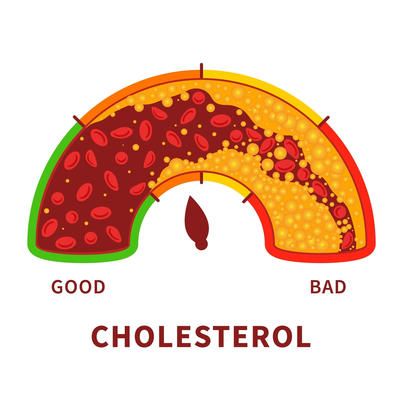
LDL stands for Low-Density Lipoprotein. It is called “bad cholesterol” because it carries cholesterol to the arteries. When too much LDL builds up in the blood, it can stick to artery walls and form plaque.
Over time, plaque narrows the arteries, making it harder for blood to flow properly. This condition is called atherosclerosis.
Why Is High LDL Dangerous?
Excess LDL cholesterol may lead to:
- Heart attacks
- Stroke
- High blood pressure
- Blocked arteries
- Chest pain (angina)
- Poor blood circulation
High LDL cholesterol is one of the major risk factors for cardiovascular diseases worldwide.
Healthy LDL Levels
General LDL cholesterol guidelines include:
- Optimal: Less than 100 mg/dL
- Near optimal: 100–129 mg/dL
- Borderline high: 130–159 mg/dL
- High: 160–189 mg/dL
- Very high: 190 mg/dL and above
Difference Between Good and Bad Cholesterol
| Feature | Good Cholesterol (HDL) | Bad Cholesterol (LDL) |
|---|---|---|
| Function | Removes excess cholesterol from blood | Deposits cholesterol in arteries |
| Effect on Heart | Protects heart health | Increases heart disease risk |
| Artery Impact | Helps keep arteries clear | Causes plaque buildup |
| Ideal Level | Higher levels are beneficial | Lower levels are healthier |
What Causes High Bad Cholesterol?
Several lifestyle and genetic factors contribute to high LDL cholesterol.
Unhealthy Diet
Foods high in saturated fats and trans fats increase LDL levels. These include:
- Fried foods
- Fast food
- Processed snacks
- Butter and cheese
- Fatty red meat
- Bakery products
Lack of Physical Activity
A sedentary lifestyle lowers HDL cholesterol and increases LDL cholesterol.
Obesity
Excess body weight is strongly linked to unhealthy cholesterol levels.
Smoking
Smoking damages blood vessels and lowers good cholesterol.
Excessive Alcohol Consumption
Too much alcohol can increase triglycerides and cholesterol levels.
Genetics
Some people inherit high cholesterol through family history.
Medical Conditions
Conditions such as diabetes, hypothyroidism, kidney disease, and liver disorders can affect cholesterol levels.
Symptoms of High Cholesterol
High cholesterol is often called a “silent condition” because it usually does not cause noticeable symptoms in the early stages.
Many people discover high cholesterol only through blood tests or after developing complications like:
- Chest pain
- Heart attack
- Stroke
- Poor circulation
This is why regular health checkups are extremely important.
How Is Cholesterol Diagnosed?
Doctors measure cholesterol through a blood test called a lipid profile or lipid panel.
The test checks:
- Total cholesterol
- LDL cholesterol
- HDL cholesterol
- Triglycerides
Adults should generally have their cholesterol checked every 4–6 years, or more frequently if they have risk factors.
How to Increase Good Cholesterol Naturally
Exercise Regularly
Physical activity helps raise HDL cholesterol. Activities include:
- Walking
- Cycling
- Swimming
- Jogging
- Yoga
Aim for at least 30 minutes of exercise most days of the week.
Eat Healthy Fats
Healthy fats support better cholesterol balance.
Good sources include:
- Nuts
- Avocados
- Olive oil
- Fatty fish
- Seeds
Quit Smoking
Stopping smoking can improve HDL cholesterol quickly.
Maintain a Healthy Weight
Weight loss can help improve cholesterol levels naturally.
How to Lower Bad Cholesterol
Follow a Heart-Healthy Diet
Choose foods rich in:
- Fruits
- Vegetables
- Whole grains
- Fiber
- Lean proteins
Reduce:
- Fried foods
- Sugary snacks
- Processed foods
- Saturated fats
Reduce Trans Fats
Avoid packaged foods containing hydrogenated oils.
Stay Physically Active
Regular exercise helps reduce LDL cholesterol and improve heart health.
Control Stress
Chronic stress may negatively affect heart health and lifestyle habits.
Take Medications If Needed
Doctors may prescribe cholesterol-lowering medicines like statins for people at high risk.
Best Foods for Healthy Cholesterol
Foods That Help Lower Bad Cholesterol
- Oats
- Beans
- Apples
- Almonds
- Walnuts
- Green vegetables
- Fatty fish
- Garlic
Foods to Limit
- Deep-fried foods
- Processed meat
- Sugary drinks
- Fast food
- Butter and cream
- Packaged snacks
Cholesterol and Heart Disease
When LDL cholesterol builds up in arteries, blood flow becomes restricted. This forces the heart to work harder and increases the risk of cardiovascular disease.
Healthy cholesterol management can help prevent:
- Coronary artery disease
- Heart attacks
- Stroke
- Peripheral artery disease
Protecting cholesterol levels is one of the most effective ways to maintain long-term heart health.
Can Young Adults Have High Cholesterol?
Yes. High cholesterol is becoming increasingly common among young adults due to:
- Poor diet
- Fast food consumption
- Lack of exercise
- Obesity
- Stress
- Smoking
Early lifestyle changes can significantly reduce future health risks.
When Should You See a Doctor?
Consult a healthcare professional if you:
- Have a family history of heart disease
- Are overweight
- Have diabetes or high blood pressure
- Smoke regularly
- Experience chest discomfort
- Have abnormal cholesterol test results
Early diagnosis and treatment can prevent serious complications.
Conclusion
Cholesterol is not entirely harmful — the body actually needs it to function properly. The key lies in maintaining a healthy balance between good cholesterol (HDL) and bad cholesterol (LDL).
HDL protects the heart by removing excess cholesterol, while high LDL levels can lead to dangerous plaque buildup in arteries. Through healthy eating, regular exercise, weight management, and routine health checkups, cholesterol can be controlled effectively.
Understanding the difference between good and bad cholesterol empowers people to make smarter lifestyle choices and protect their heart health for the future.