
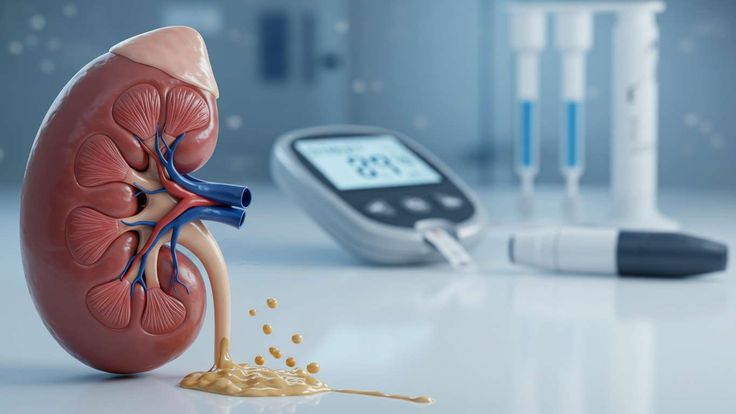
Your kidneys play a vital role in keeping your body healthy. These two bean-shaped organs filter waste products, balance fluids, regulate blood pressure, maintain electrolyte levels, and help produce red blood cells. When the kidneys stop functioning properly, harmful toxins and excess fluids can build up in the body, leading to serious health complications.
Unfortunately, kidney problems often develop slowly and silently. Many people do not notice symptoms until significant kidney damage has already occurred. Recognizing the early warning signs can help you seek medical attention sooner and prevent further complications.
Why Kidney Health Matters
Healthy kidneys work around the clock to:
- Remove waste and toxins from the blood
- Maintain proper water balance
- Control blood pressure
- Regulate minerals like sodium and potassium
- Support healthy bones
- Help produce red blood cells
When kidney function declines, these essential processes become disrupted, affecting multiple systems in the body.
Common Signs Your Kidneys May Not Be Working Properly
1. Changes in Urination
One of the earliest signs of kidney problems is a noticeable change in urination patterns. Since kidneys produce urine, any dysfunction can affect how often and how much you urinate.
Possible changes include:
- Frequent urination, especially at night
- Reduced urine output
- Foamy or bubbly urine
- Dark-colored urine
- Blood in the urine
- Pain or burning sensation during urination
Foamy urine may indicate protein leakage, which can be an early sign of kidney damage.
2. Swelling in Feet, Ankles, or Face
When kidneys cannot remove excess fluids effectively, fluid retention may occur in different parts of the body.
Common areas of swelling include:
- Feet
- Ankles
- Hands
- Face
- Around the eyes
Persistent swelling should never be ignored, especially if accompanied by high blood pressure or fatigue.
3. Constant Fatigue and Weakness
Damaged kidneys may not produce enough erythropoietin, a hormone responsible for red blood cell production. This can lead to anemia, causing:
- Extreme tiredness
- Weakness
- Difficulty concentrating
- Low energy levels
- Dizziness
Toxin buildup in the blood can also contribute to ongoing fatigue.
4. Puffiness Around the Eyes
Persistent puffiness around the eyes can sometimes indicate protein loss through urine due to damaged kidney filters. This symptom may appear early in kidney disease and is often overlooked.
5. High Blood Pressure
The kidneys help regulate blood pressure. When kidney function declines, blood pressure may rise. At the same time, uncontrolled high blood pressure can further damage the kidneys, creating a dangerous cycle.
People with hypertension should regularly monitor kidney health through medical checkups.
6. Loss of Appetite and Nausea
As waste products accumulate in the bloodstream, digestive symptoms may develop, such as:
- Poor appetite
- Metallic taste in the mouth
- Nausea
- Vomiting
- Unexplained weight loss
These symptoms may worsen as kidney disease progresses.
7. Muscle Cramps
Kidney problems can disrupt electrolyte balance, especially calcium, sodium, and potassium levels. This imbalance may lead to:
- Muscle cramps
- Muscle twitching
- Restless legs
- Weak muscles
Frequent unexplained cramps should be medically evaluated.
8. Dry and Itchy Skin
Healthy kidneys help maintain proper mineral balance and remove toxins from the body. When kidney function declines, toxins may accumulate and cause:
- Dry skin
- Persistent itching
- Skin irritation
Chronic itching without a clear cause may sometimes be linked to kidney disease.
9. Shortness of Breath
Fluid buildup in the lungs due to poor kidney function can make breathing difficult. Additionally, anemia caused by kidney disease may reduce oxygen supply in the body, leading to breathlessness even during mild activity.
10. Difficulty Sleeping
People with kidney disease often experience sleep disturbances because toxins remain in the bloodstream instead of being filtered out properly. Sleep apnea is also more common among individuals with chronic kidney disease.
Risk Factors for Kidney Disease
Certain conditions increase the risk of kidney problems, including:
- Diabetes
- High blood pressure
- Obesity
- Smoking
- Family history of kidney disease
- Excessive use of painkillers
- Heart disease
- Older age
People with these risk factors should undergo regular kidney function tests.
How to Protect Your Kidney Health
You can reduce the risk of kidney disease by adopting healthy lifestyle habits:
Stay Hydrated
Drinking enough water helps the kidneys flush out toxins effectively.
Control Blood Sugar and Blood Pressure
Managing diabetes and hypertension is crucial for kidney protection.
Eat a Balanced Diet
Reduce excessive salt, processed foods, and sugary drinks. Include fresh fruits, vegetables, and whole grains.
Exercise Regularly
Physical activity improves overall circulation and supports kidney health.
Avoid Smoking and Excess Alcohol
These habits can damage blood vessels and worsen kidney function.
Limit Unnecessary Medications
Overuse of painkillers and certain medications may harm the kidneys over time.
Get Regular Health Checkups
Routine blood and urine tests can detect kidney problems early, even before symptoms appear.
When to See a Doctor
Seek medical attention if you experience:
- Persistent swelling
- Blood in urine
- Severe fatigue
- Frequent urination changes
- Ongoing nausea
- High blood pressure
- Shortness of breath
Early diagnosis and treatment can slow or even prevent serious kidney damage.
Conclusion
Kidney disease often develops quietly, but the body may still give warning signs. Paying attention to symptoms like swelling, fatigue, changes in urination, and high blood pressure can help detect problems early. Maintaining a healthy lifestyle and scheduling regular medical checkups are essential steps toward protecting your kidneys and overall health.
Your kidneys work hard every day to keep your body functioning properly — taking care of them should always be a priority.