

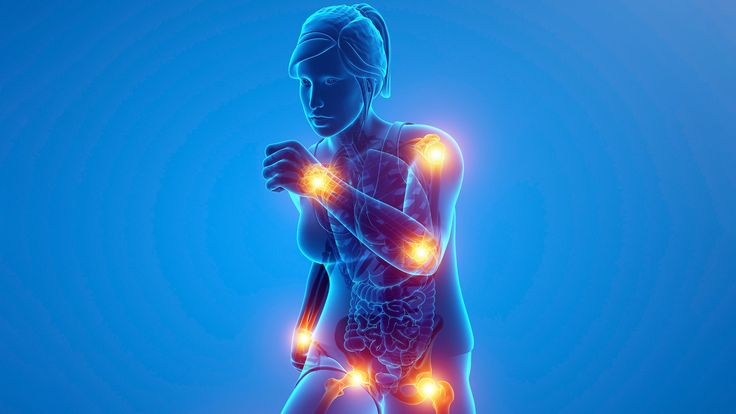
Joint pain is often associated with aging, but in recent years, an increasing number of young adults are experiencing stiffness, discomfort, and pain in their joints. From college students and office workers to athletes and fitness enthusiasts, joint-related problems are becoming more common among people in their 20s and 30s. Ignoring these early warning signs can lead to long-term mobility issues and reduced quality of life.
Understanding the causes of joint pain and learning how to prevent it can help young adults maintain healthy, active lifestyles for years to come.
What Is Joint Pain?
Joint pain refers to discomfort, stiffness, swelling, or soreness in the areas where two bones meet, such as the knees, shoulders, hips, elbows, wrists, or ankles. The pain may be temporary or chronic and can range from mild discomfort to severe movement restrictions.
Young adults may experience joint pain occasionally after physical activity, but persistent or recurring pain should never be ignored.
Why Is Joint Pain Increasing in Young Adults?
Modern lifestyles have changed significantly over the years. Long hours of sitting, poor posture, lack of exercise, unhealthy eating habits, and excessive screen time are contributing to early joint problems. Additionally, stress, obesity, and sports injuries are increasing the risk of joint pain at younger ages.
Many people assume joint pain is “normal” after workouts or busy schedules, but untreated issues can gradually worsen over time.
Common Causes of Joint Pain in Young Adults
1. Sedentary Lifestyle
One of the biggest contributors to joint pain is physical inactivity. Sitting for long hours weakens muscles and puts additional pressure on joints, especially the neck, back, hips, and knees.
Common effects include:
- Neck stiffness from laptop or mobile use
- Lower back pain from prolonged sitting
- Knee pain due to weak leg muscles
- Shoulder discomfort from poor posture
Lack of movement also reduces joint flexibility and blood circulation.
2. Poor Posture
Incorrect sitting or standing posture places unnecessary stress on joints and muscles. Slouching while using smartphones or working on computers can cause:
- Neck pain
- Shoulder stiffness
- Upper back discomfort
- Wrist strain
Poor posture over time may lead to chronic joint and spinal problems.
3. Obesity and Weight Gain
Excess body weight increases pressure on weight-bearing joints like the knees, hips, and ankles. Even a small amount of extra weight can strain cartilage and lead to inflammation.
Young adults who are overweight are at higher risk of:
- Early arthritis
- Knee pain
- Foot pain
- Reduced mobility
Maintaining a healthy weight is essential for joint health.
4. Sports and Gym Injuries
While exercise is beneficial, improper workout techniques or overtraining can damage joints and ligaments.
Common sports-related joint problems include:
- Torn ligaments
- Tendon inflammation
- Shoulder injuries
- Runner’s knee
- Sprains and strains
Skipping warm-ups or lifting excessive weights increases injury risk.
5. Nutritional Deficiencies
Bones and joints need proper nutrition to stay healthy. Deficiency of certain nutrients can weaken bones and cause joint discomfort.
Important nutrients for joint health:
- Calcium
- Vitamin D
- Magnesium
- Omega-3 fatty acids
- Protein
Poor diet and excessive junk food consumption may increase inflammation in the body.
6. Autoimmune Conditions
Some young adults develop joint pain due to autoimmune diseases where the immune system attacks healthy tissues.
Examples include:
- Rheumatoid arthritis
- Lupus
- Psoriatic arthritis
These conditions often cause:
- Swelling
- Morning stiffness
- Fatigue
- Redness around joints
Early diagnosis is important for proper treatment.
7. Stress and Lack of Sleep
Mental stress can increase muscle tension and inflammation, worsening joint discomfort. Lack of sleep also affects the body’s ability to repair tissues and recover from strain.
Young adults with stressful lifestyles often experience:
- Neck and shoulder tightness
- Body aches
- Fatigue-related pain
Symptoms That Should Not Be Ignored
Occasional soreness may be harmless, but persistent symptoms require medical attention.
Warning signs include:
- Swollen joints
- Redness or warmth
- Difficulty moving joints
- Pain lasting more than a few weeks
- Morning stiffness
- Clicking or grinding sounds
- Joint instability
- Fever with joint pain
Ignoring these symptoms can lead to long-term complications.
How to Prevent Joint Pain in Young Adults
1. Stay Physically Active
Regular movement keeps joints flexible and strengthens surrounding muscles.
Recommended activities:
- Walking
- Cycling
- Swimming
- Yoga
- Stretching exercises
Aim for at least 30 minutes of activity most days of the week.
2. Maintain Proper Posture
Good posture reduces unnecessary strain on joints and muscles.
Tips:
- Keep screens at eye level
- Sit with back support
- Avoid bending the neck for long periods
- Take breaks every 30–45 minutes
Ergonomic workspaces can help prevent joint stress.
3. Exercise Safely
Always warm up before workouts and avoid sudden increases in intensity.
Injury prevention tips:
- Use proper form
- Wear supportive footwear
- Avoid overtraining
- Include rest days
- Stretch after exercise
Consult a trainer if unsure about workout techniques.
4. Eat a Joint-Friendly Diet
Healthy nutrition supports bone strength and reduces inflammation.
Include:
- Dairy products
- Green leafy vegetables
- Fish rich in omega-3
- Nuts and seeds
- Fruits rich in antioxidants
Drink enough water to maintain joint lubrication.
5. Maintain Healthy Body Weight
Losing excess weight significantly reduces pressure on joints, especially the knees and hips.
Even small weight reductions can improve mobility and decrease pain.
6. Manage Stress
Stress management improves both physical and mental health.
Helpful techniques:
- Meditation
- Deep breathing
- Adequate sleep
- Regular exercise
- Spending time outdoors
Balanced lifestyles help reduce inflammation and muscle tension.
7. Get Regular Health Checkups
Early diagnosis helps prevent serious complications. If pain persists, consult a healthcare professional for evaluation and treatment.
Doctors may recommend:
- Physical therapy
- Lifestyle changes
- Medications
- Blood tests
- Imaging tests if necessary
When Should You See a Doctor?
Seek medical advice if:
- Pain interferes with daily activities
- Swelling persists
- Joint pain follows an injury
- You experience fever or unexplained fatigue
- Symptoms worsen over time
Early treatment can prevent permanent joint damage.
Conclusion
Joint pain in young adults is becoming increasingly common due to modern lifestyle habits, stress, poor posture, obesity, injuries, and nutritional deficiencies. Although occasional discomfort may seem minor, persistent pain should never be ignored.
Simple preventive steps like staying active, maintaining healthy posture, eating nutritious foods, exercising safely, and managing stress can greatly reduce the risk of long-term joint problems.
Healthy joints are essential for an active and pain-free life. Taking care of them early can help you stay strong, mobile, and independent for years to come.