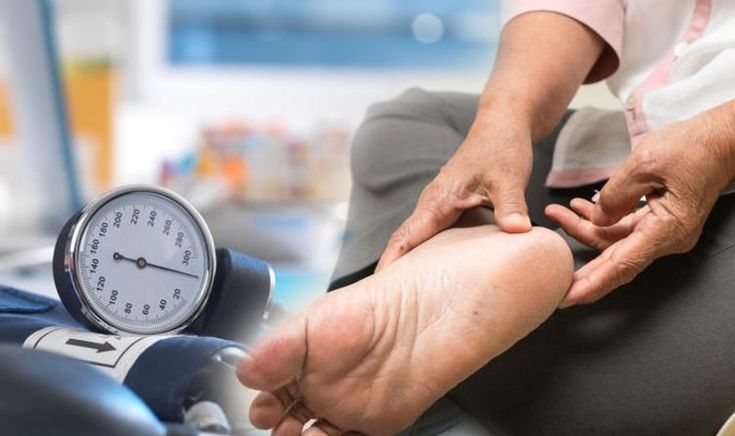
High blood pressure, also known as hypertension, is often called the “silent killer” because it can develop slowly without showing obvious symptoms. Many people live with dangerously high blood pressure for years without realizing it, increasing their risk of heart disease, stroke, kidney failure, and other serious health complications.
While some individuals may experience noticeable warning signs, others may feel completely healthy even when their blood pressure levels are dangerously high. Understanding the silent symptoms of high blood pressure can help with early diagnosis and timely treatment.
What Is High Blood Pressure?
Blood pressure measures the force of blood pushing against the walls of your arteries. When this pressure remains consistently high, it puts extra strain on the heart and blood vessels.
A normal blood pressure reading is generally around:
- 120/80 mmHg
High blood pressure is usually diagnosed when readings consistently stay above:
- 140/90 mmHg
If left untreated, hypertension can silently damage important organs in the body over time.
Why Is High Blood Pressure Called a Silent Killer?
Unlike many illnesses, hypertension often develops without pain or dramatic symptoms. A person may look healthy, feel active, and continue normal daily activities while their blood pressure quietly damages the heart, brain, kidneys, and eyes.
This silent progression makes regular health checkups extremely important.
Silent Symptoms of High Blood Pressure
Although many people experience no symptoms at all, certain subtle warning signs may indicate elevated blood pressure.
1. Frequent Headaches
Persistent headaches, especially in the morning, may sometimes be linked to high blood pressure. These headaches can feel throbbing and may occur at the back of the head.
While headaches can happen for many reasons, recurring headaches should not be ignored.
2. Dizziness or Lightheadedness
Feeling dizzy occasionally may not always indicate hypertension, but repeated episodes of dizziness can sometimes occur when blood pressure becomes severely elevated.
This symptom may also increase the risk of falls and injuries.
3. Blurred Vision
High blood pressure can damage the tiny blood vessels in the eyes, leading to:
- Blurry vision
- Difficulty focusing
- Eye strain
- Temporary vision changes
Ignoring these symptoms can eventually affect eyesight permanently.
4. Shortness of Breath
Difficulty breathing during routine activities may be associated with uncontrolled blood pressure. The heart has to work harder to pump blood, which may cause breathlessness over time.
This symptom should be evaluated promptly, especially if accompanied by chest discomfort.
5. Chest Pain
Chest tightness or discomfort may occur when hypertension begins affecting the heart and blood circulation.
Although chest pain can result from various conditions, it should always be treated seriously and evaluated by a healthcare professional immediately.
6. Fatigue and Weakness
Constant tiredness, low energy, and unexplained weakness may sometimes indicate that the heart is under strain due to high blood pressure.
Poor blood circulation can reduce oxygen delivery throughout the body, causing fatigue.
7. Nosebleeds
Frequent nosebleeds are not always caused by hypertension, but severe or uncontrolled high blood pressure can sometimes make blood vessels more fragile and prone to bleeding.
Recurring nosebleeds should not be ignored.
8. Irregular Heartbeat
Some people with hypertension may experience:
- Palpitations
- Racing heartbeat
- Fluttering sensations in the chest
These symptoms may signal stress on the cardiovascular system.
9. Difficulty Sleeping
Poor sleep quality, insomnia, and sleep disturbances are sometimes associated with high blood pressure. Sleep apnea, a common sleep disorder, is also strongly linked to hypertension.
10. Anxiety or Restlessness
Although stress itself does not directly cause chronic hypertension, persistent anxiety and nervousness may contribute to temporary spikes in blood pressure levels.
Some individuals notice increased sweating, irritability, or feelings of tension.
Risk Factors for High Blood Pressure
Several factors increase the risk of developing hypertension:
- Unhealthy diet
- Excess salt intake
- Lack of physical activity
- Obesity
- Smoking
- Excessive alcohol consumption
- Chronic stress
- Family history of hypertension
- Diabetes
- Increasing age
Understanding these risk factors can help in prevention.
Complications of Untreated High Blood Pressure
If left unmanaged, hypertension can lead to severe health complications such as:
- Heart attack
- Stroke
- Heart failure
- Kidney disease
- Vision loss
- Brain damage
- Memory problems
Early diagnosis can significantly reduce these risks.
How to Prevent High Blood Pressure
Maintain a Healthy Diet
Eat more:
- Fruits
- Vegetables
- Whole grains
- Lean protein
Reduce:
- Salt
- Processed foods
- Sugary drinks
- Saturated fats
Exercise Regularly
Physical activity helps improve heart health and blood circulation. Aim for at least:
- 30 minutes of moderate exercise daily
Walking, cycling, yoga, and swimming are excellent options.
Manage Stress
Stress management techniques include:
- Meditation
- Deep breathing
- Adequate sleep
- Spending time with family
- Relaxation activities
Avoid Smoking and Excess Alcohol
Smoking damages blood vessels, while excessive alcohol intake can raise blood pressure significantly.
Monitor Blood Pressure Regularly
Regular health checkups are the best way to detect hypertension early, especially because symptoms may remain hidden.
Home blood pressure monitors can also help track readings consistently.
When Should You See a Doctor?
Seek medical attention if you experience:
- Persistent headaches
- Chest pain
- Severe dizziness
- Vision problems
- Difficulty breathing
- Extremely high blood pressure readings
Early medical care can prevent life-threatening complications.
Conclusion
High blood pressure often develops quietly, making it one of the most dangerous health conditions worldwide. Even though symptoms may appear mild or go unnoticed, the damage happening inside the body can be serious.
Recognizing the silent symptoms of high blood pressure and adopting a healthy lifestyle can help protect your heart, brain, kidneys, and overall well-being. Regular blood pressure monitoring and timely medical care remain the most effective ways to prevent complications and maintain long-term health.