

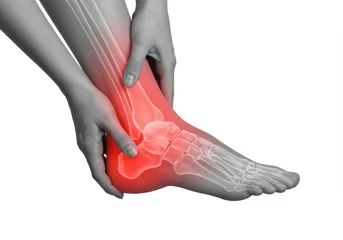
Obesity has become one of the most common health concerns worldwide, affecting people of all ages. While most people associate obesity with conditions such as diabetes, heart disease, and high blood pressure, many are unaware of its serious impact on bone and joint health. Excess body weight places additional stress on the skeletal system, increasing the risk of joint pain, arthritis, reduced mobility, and long-term musculoskeletal disorders.
Healthy bones and joints are essential for maintaining movement, balance, and overall quality of life. However, obesity can gradually weaken these structures, leading to chronic pain and physical limitations. Understanding the relationship between obesity and bone health is important for preventing complications and improving long-term wellness.
Understanding Obesity
Obesity occurs when excessive body fat accumulates to a level that negatively affects health. It is commonly measured using Body Mass Index (BMI). A BMI of 30 or above is generally classified as obesity.
Common Causes of Obesity
- Unhealthy eating habits
- Lack of physical activity
- Sedentary lifestyle
- Genetic factors
- Hormonal imbalances
- Stress and emotional eating
- Poor sleep patterns
Obesity is not only a cosmetic concern but also a major medical condition that affects nearly every organ system, including bones, muscles, and joints.
How Excess Weight Affects Bones & Joints
1. Increased Pressure on Weight-Bearing Joints
The knees, hips, ankles, and lower back are known as weight-bearing joints because they support most of the body’s weight. Excess weight significantly increases the load on these joints.
Research suggests that:
- Every extra kilogram of body weight adds several kilograms of pressure on the knees during movement.
- Walking, climbing stairs, or standing for long periods becomes more stressful for joints.
Over time, this continuous pressure causes wear and tear of cartilage, leading to pain and stiffness.
Obesity and Osteoarthritis
One of the most common bone and joint problems linked to obesity is Osteoarthritis.
What is Osteoarthritis?
Osteoarthritis is a degenerative joint disease in which the protective cartilage between bones gradually wears away. Without proper cushioning, bones rub against each other, causing:
- Pain
- Swelling
- Stiffness
- Reduced movement
Why Obesity Increases Osteoarthritis Risk
Obesity contributes to osteoarthritis in two major ways:
Mechanical Stress
Extra body weight overloads the joints, especially:
- Knees
- Hips
- Spine
Inflammation
Fat tissue produces inflammatory chemicals called cytokines. These substances can damage cartilage and worsen joint inflammation.
Common Symptoms
- Knee pain while walking
- Difficulty climbing stairs
- Morning stiffness
- Swollen joints
- Limited mobility
Impact on the Spine and Back
Obesity often affects spinal health by increasing pressure on the lower back.
Common Spine Problems Linked to Obesity
- Lower back pain
- Herniated discs
- Poor posture
- Degenerative disc disease
- Sciatica
Excess abdominal weight shifts the body’s center of gravity forward, forcing the spine to work harder to maintain balance. This may lead to chronic back pain and muscle strain.
Obesity and Bone Strength
Many people assume that heavier individuals automatically have stronger bones due to increased body mass. However, obesity can actually reduce bone quality in some cases.
How Obesity Can Harm Bone Health
- Increased inflammation weakens bone remodeling
- Vitamin D deficiency is common in obese individuals
- Reduced physical activity weakens bones and muscles
- Higher risk of fractures due to poor balance and falls
Although bone density may sometimes appear normal or higher, bone quality and strength may still be compromised.
Effect on Mobility and Daily Activities
As obesity affects joints and muscles, simple daily activities become difficult.
Common Difficulties
- Walking long distances
- Standing for extended periods
- Climbing stairs
- Exercising regularly
- Sitting and getting up comfortably
Reduced mobility often creates a vicious cycle:
- Weight gain causes pain
- Pain reduces movement
- Reduced movement leads to further weight gain
Breaking this cycle is essential for maintaining independence and quality of life.
Obesity and Inflammation
Obesity is associated with chronic low-grade inflammation throughout the body.
Fat tissue is biologically active and releases inflammatory substances that can:
- Damage cartilage
- Increase joint swelling
- Slow healing processes
- Worsen arthritis symptoms
This explains why obesity can affect even non-weight-bearing joints such as the hands.
Mental Health & Chronic Pain Connection
Living with obesity-related joint pain can also impact emotional well-being.
Possible Psychological Effects
- Stress
- Anxiety
- Depression
- Low self-confidence
- Social isolation
Chronic pain often reduces physical activity and affects sleep quality, further worsening both physical and mental health.
Preventing Bone & Joint Problems Related to Obesity
1. Maintain a Healthy Weight
Even small amounts of weight loss can significantly reduce pressure on joints and improve mobility.
2. Follow a Balanced Diet
Include:
- Calcium-rich foods
- Vitamin D
- Lean protein
- Fruits and vegetables
- Whole grains
Avoid:
- Sugary foods
- Processed snacks
- Excessive fast food
- Sugary beverages
Best Exercises for Joint Health
Low-impact exercises are ideal for obese individuals because they reduce stress on joints while improving strength and flexibility.
Recommended Activities
- Walking
- Swimming
- Cycling
- Yoga
- Stretching exercises
- Water aerobics
Regular exercise helps:
- Strengthen muscles around joints
- Improve flexibility
- Reduce stiffness
- Support weight loss
Importance of Early Medical Attention
Ignoring joint pain can lead to long-term damage. Early treatment can help prevent complications and improve quality of life.
Seek Medical Advice If You Experience
- Persistent joint pain
- Swelling
- Difficulty walking
- Severe back pain
- Limited movement
- Joint stiffness lasting several weeks
Doctors may recommend:
- Weight management programs
- Physiotherapy
- Pain management
- Lifestyle changes
- Orthopedic evaluation
Tips for Protecting Bone & Joint Health
Healthy Lifestyle Habits
- Maintain proper posture
- Stay physically active
- Avoid prolonged sitting
- Wear supportive footwear
- Stay hydrated
- Get regular health checkups
Consistency in healthy habits can greatly reduce the risk of obesity-related joint complications.
Conclusion
Obesity affects far more than appearance—it has a significant impact on bone and joint health. Excess body weight increases stress on joints, accelerates cartilage damage, contributes to inflammation, and reduces mobility. Over time, this can lead to chronic pain, osteoarthritis, spinal problems, and reduced quality of life.
The good news is that many of these complications are preventable. Maintaining a healthy weight, staying active, eating nutritious foods, and seeking early medical care can protect bones and joints for years to come.
Taking small steps today toward a healthier lifestyle can lead to stronger bones, healthier joints, and a more active future.