Healthcare has changed dramatically over the past few decades. Modern hospitals are no longer just places where patients receive treatment during emergencies. Today, hospitals focus on providing complete, patient-centered care that combines advanced technology, skilled medical professionals, safety protocols, and compassionate support. From faster diagnosis to improved recovery experiences, modern hospitals are transforming the quality of healthcare services worldwide.
The main goal of modern healthcare institutions is not only to treat diseases but also to improve the overall well-being and comfort of patients. Through innovation, digital systems, specialized departments, and preventive healthcare programs, hospitals are becoming smarter, safer, and more efficient than ever before.
Advanced Medical Technology
One of the biggest improvements in modern hospitals is the use of advanced medical technology. Hospitals now use high-quality imaging systems such as MRI scans, CT scans, digital X-rays, and ultrasound machines to detect diseases quickly and accurately.
Modern surgical techniques like minimally invasive surgery and robotic-assisted procedures help doctors perform complex operations with greater precision. These methods reduce pain, blood loss, and recovery time for patients.
Technology also helps monitor patients continuously through advanced ICU systems, heart monitors, and wearable devices. Early detection of complications allows doctors to respond faster and improve survival rates.
Electronic Health Records (EHR)
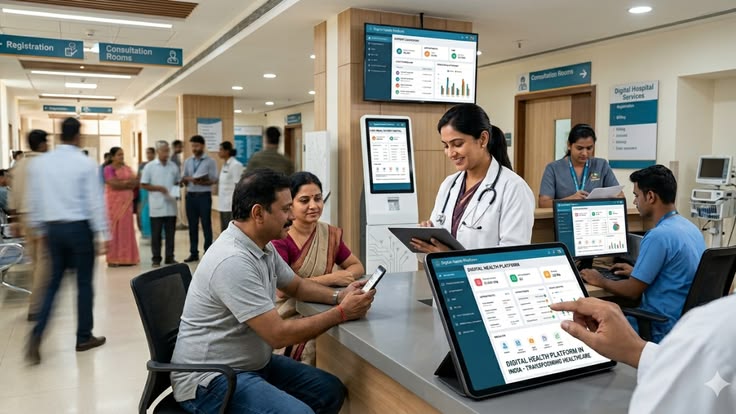
Modern hospitals use electronic health records to store patient information digitally. This system allows doctors, nurses, and specialists to access medical history, test reports, medications, and treatment plans instantly.
Electronic records improve communication between healthcare providers and reduce the chances of medical errors. Patients receive more accurate treatment because doctors have complete information available at all times.
Digital records also save time, improve appointment scheduling, and make healthcare services more organized and efficient.
Faster Diagnosis and Treatment
Modern hospitals are designed to provide faster diagnosis and immediate medical attention. Advanced laboratory systems and automated testing equipment can deliver accurate results within a short period.
Emergency departments are equipped with modern life-saving equipment and trained medical teams who can handle critical situations quickly. Fast diagnosis helps begin treatment earlier, increasing the chances of successful recovery.
Telemedicine and online consultations also allow patients to connect with doctors remotely, reducing waiting times and improving access to healthcare services.
Patient-Centered Care
Today’s hospitals focus heavily on patient-centered care. This means hospitals consider not only physical health but also emotional, mental, and social well-being.
Modern healthcare facilities aim to create a comfortable environment through:
- Clean and hygienic surroundings
- Friendly staff behavior
- Private patient rooms
- Better food and nutrition services
- Counseling and mental health support
- Family involvement in treatment decisions
Doctors and nurses now spend more time educating patients about their conditions and treatment plans, helping patients feel informed and confident during recovery.
Improved Safety and Infection Control
Patient safety has become a major priority in modern hospitals. Strict infection control measures help reduce hospital-acquired infections and protect both patients and healthcare workers.
Hospitals now follow:
- Regular sanitation and sterilization procedures
- Hand hygiene protocols
- Use of protective equipment
- Safe medication practices
- Advanced monitoring systems for patient safety
Many hospitals also use barcode medication systems and digital prescription tools to reduce medication errors.
Specialized Departments and Expert Care
Modern hospitals offer specialized departments for different medical conditions such as cardiology, neurology, orthopedics, oncology, pediatrics, and critical care.
Specialists work together as a team to provide comprehensive treatment plans tailored to each patient’s needs. Multidisciplinary care improves treatment outcomes and ensures patients receive expert attention from diagnosis to recovery.
Specialized intensive care units and emergency trauma centers also provide better support for critically ill patients.
Better Communication and Coordination
Communication between doctors, nurses, technicians, and patients has improved significantly in modern hospitals. Digital systems allow departments to coordinate treatment efficiently.
Patients can now receive:
- Appointment reminders
- Online reports
- Digital prescriptions
- Teleconsultation services
- Health updates through mobile apps
Better coordination reduces delays and ensures smoother patient experiences.
Focus on Preventive Healthcare
Modern hospitals are increasingly promoting preventive healthcare rather than treating illnesses only after they become severe.
Hospitals now organize:
- Health awareness campaigns
- Vaccination programs
- Regular health checkups
- Lifestyle counseling
- Nutrition guidance
- Chronic disease management programs
Preventive healthcare helps detect diseases early and encourages healthier lifestyles among people.
Enhanced Recovery and Rehabilitation Services
Recovery does not end after treatment or surgery. Modern hospitals provide rehabilitation services such as physiotherapy, occupational therapy, speech therapy, and post-surgical care programs.
These services help patients regain strength, mobility, and independence more effectively. Rehabilitation support improves long-term health outcomes and quality of life.
Role of Artificial Intelligence and Smart Healthcare
Artificial intelligence (AI) is becoming an important part of modern healthcare. AI helps analyze medical data, identify disease patterns, and assist doctors in making accurate decisions.
Smart healthcare systems can:
- Predict health risks
- Monitor patient conditions remotely
- Improve hospital management
- Reduce waiting times
- Support personalized treatment plans
AI-powered tools are helping hospitals deliver faster and more efficient patient care.
Emotional Support and Mental Healthcare
Modern hospitals understand the importance of mental and emotional health during treatment. Many healthcare centers now provide psychological counseling, stress management programs, and emotional support services for patients and families.
This holistic approach improves patient satisfaction and helps people cope better with illness and recovery.
Conclusion
Modern hospitals play a vital role in improving patient care through technology, specialized treatment, patient-centered services, and better safety standards. By combining medical innovation with compassionate healthcare, hospitals are helping patients recover faster and live healthier lives.
As healthcare continues to evolve, modern hospitals will become even more efficient, accessible, and personalized. Their focus on quality care, prevention, and patient comfort is shaping a healthier future for communities around the world.