

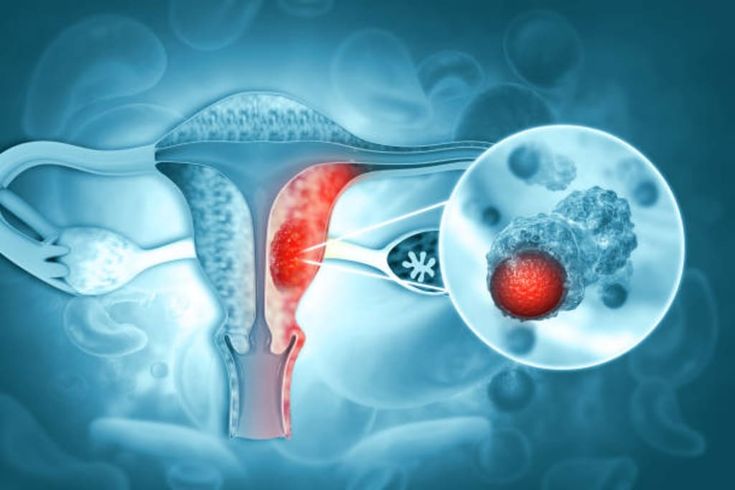
Cervical cancer is one of the most common cancers affecting women worldwide. Despite being largely preventable, thousands of women continue to lose their lives every year due to lack of awareness, delayed diagnosis, and limited access to healthcare. The good news is that cervical cancer can often be prevented through regular screening, vaccination, and healthy lifestyle choices.
Raising awareness about cervical cancer is essential because early detection significantly improves treatment outcomes and survival rates. By understanding the causes, symptoms, risk factors, and preventive measures, women can take proactive steps toward protecting their health and encouraging others to do the same.
What is Cervical Cancer?
Cervical cancer develops in the cervix, which is the lower part of the uterus connecting to the vagina. It usually occurs when abnormal cells in the cervix begin to grow uncontrollably. In most cases, cervical cancer develops slowly over time and starts with precancerous changes known as cervical dysplasia.
One of the leading causes of cervical cancer is persistent infection with the Human Papillomavirus (HPV), a common sexually transmitted virus. While many HPV infections resolve naturally, some high-risk types can lead to cancer if left untreated.
Causes of Cervical Cancer
Several factors can contribute to the development of cervical cancer, including:
1. Human Papillomavirus (HPV) Infection
Persistent infection with high-risk HPV strains is the primary cause of cervical cancer.
2. Early Sexual Activity
Women who become sexually active at an early age may have a higher risk of HPV infection.
3. Multiple Sexual Partners
Having multiple sexual partners increases the chances of exposure to HPV.
4. Smoking
Smoking weakens the immune system and damages cervical cells, increasing cancer risk.
5. Weak Immune System
Women with weakened immunity, such as those with HIV/AIDS, are more vulnerable to HPV infections.
6. Lack of Regular Screening
Skipping routine Pap smears or HPV tests can delay detection of abnormal cervical changes.
7. Long-Term Use of Oral Contraceptives
Extended use of birth control pills may slightly increase the risk in some women.
Symptoms of Cervical Cancer
In its early stages, cervical cancer may not show noticeable symptoms. This is why regular screening is extremely important. As the disease progresses, symptoms may include:
- Abnormal vaginal bleeding
- Bleeding after intercourse
- Pelvic pain
- Pain during sexual intercourse
- Unusual vaginal discharge
- Heavy or prolonged menstrual periods
- Fatigue and unexplained weight loss in advanced stages
Women experiencing any of these symptoms should consult a healthcare professional immediately.
Importance of Early Detection
Early detection is one of the most effective ways to prevent cervical cancer from becoming life-threatening. Screening tests can identify abnormal cervical cells before they turn into cancer.
Pap Smear Test
A Pap smear helps detect precancerous or cancerous changes in cervical cells.
HPV Test
An HPV test checks for high-risk strains of the virus associated with cervical cancer.
Regular screening can greatly reduce the risk of advanced cervical cancer and improve treatment success.
HPV Vaccination: A Powerful Prevention Tool
The HPV vaccine is considered one of the most effective methods of preventing cervical cancer. It protects against the most dangerous HPV strains responsible for the majority of cervical cancer cases.
Who Should Get the HPV Vaccine?
- Girls and boys between 9–14 years are ideally recommended for vaccination.
- Young adults who missed vaccination earlier may also benefit after medical consultation.
Benefits of HPV Vaccination
- Reduces cervical cancer risk
- Prevents HPV-related infections
- Helps lower the spread of HPV in the community
Vaccination combined with regular screening offers the best protection against cervical cancer.
Lifestyle Changes That Help Reduce Risk
Healthy lifestyle choices can strengthen the immune system and lower the chances of developing cervical cancer.
Maintain Safe Sexual Practices
Using protection and limiting exposure to HPV can reduce risk.
Avoid Smoking
Quitting smoking improves overall health and reduces cervical cell damage.
Eat a Healthy Diet
A balanced diet rich in fruits, vegetables, and antioxidants supports immune function.
Exercise Regularly
Physical activity helps maintain overall health and immunity.
Attend Regular Health Checkups
Routine gynecological examinations and screenings are essential for early detection.
Myths and Facts About Cervical Cancer
Myth: Cervical cancer only affects older women.
Fact: Women of different age groups can develop cervical cancer.
Myth: HPV vaccination is unnecessary.
Fact: HPV vaccination significantly reduces cervical cancer risk.
Myth: Cervical cancer always shows symptoms early.
Fact: Early stages often have no symptoms, making screening vital.
Myth: A healthy lifestyle alone can prevent cervical cancer.
Fact: Healthy habits help, but vaccination and regular screening are equally important.
Treatment Options for Cervical Cancer
Treatment depends on the stage of cancer, overall health, and medical recommendations. Common treatments include:
- Surgery
- Radiation therapy
- Chemotherapy
- Targeted therapy
- Immunotherapy
Early-stage cervical cancer has a much higher treatment success rate compared to advanced stages.
Role of Awareness Campaigns
Public awareness campaigns play a major role in reducing cervical cancer cases. Educational programs in schools, hospitals, and communities help women understand:
- The importance of HPV vaccination
- Benefits of regular screening
- Early warning signs
- Access to medical care
Healthcare providers, families, and society must work together to promote women’s health and eliminate misconceptions surrounding cervical cancer.
Conclusion
Cervical cancer is largely preventable when women have access to proper awareness, vaccination, and regular health screenings. Early detection saves lives, and preventive measures like the HPV vaccine can dramatically reduce the risk of developing this disease.
Women should never ignore symptoms or delay routine checkups. By spreading awareness and encouraging preventive healthcare, we can create a healthier future where cervical cancer becomes far less common.
Protecting women’s health begins with awareness, education, and timely action.