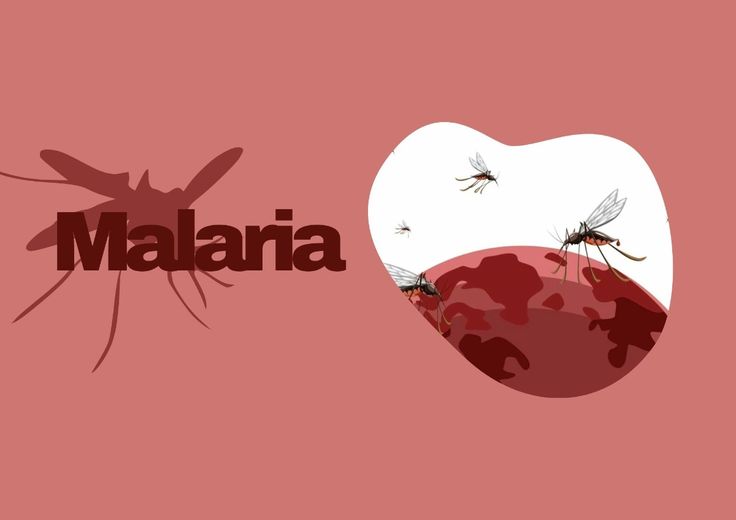
Malaria is a mosquito-borne infection transmitted by the bite of an infected mosquito. Common symptoms include fever, chills, headache, and body aches, which often resemble the flu. However, knowing when to see a doctor is crucial, especially if symptoms persist or worsen. A fever with chills should never be ignored, particularly in high-risk areas. Early diagnosis and treatment can prevent serious complications and ensure a faster recovery.
What Is Malaria?
Malaria is an infectious disease caused by parasites transmitted through the bite of infected female Anopheles mosquitoes. Once inside the body, the parasite affects the liver and red blood cells.
How Malaria Spreads
- Through bites of infected mosquitoes.
- Common in tropical and subtropical regions.
Why Early Detection Matters
Early diagnosis helps prevent complications and reduces the severity of illness. Delayed treatment can lead to serious health risks, including organ damage.
Common Symptoms of Malaria
The symptoms of malaria in adults often begin like a mild viral illness but can worsen quickly. These symptoms may come and go in cycles, which is a characteristic feature of the disease.
Typical Malaria Symptoms
- High, recurring fever
- Chills and shivering
- Sweating after fever episodes
- Intense headache and body aches
- Nausea, vomiting, or general weakness
Early Signs You Should Not Ignore
The early signs can be subtle and easily mistaken for common infections. Watch for:
- Repeated episodes of fever at regular intervals.
- Unusual fatigue or loss of appetite.
- Mild flu-like symptoms that don’t resolve.
When Should You See a Doctor?
Knowing when to seek medical attention is critical to avoid complications. Contact a healthcare provider immediately if you experience:
- Fever lasting more than 1–2 days.
- High fever with chills that comes and goes.
- Symptoms worsening over time.
- Recent travel to or residence in a malaria-prone area.
- Persistent headache, nausea, or inability to keep down fluids.
Warning Signs of Severe Malaria
Severe malaria is a medical emergency and requires immediate hospitalization.
- Confusion, drowsiness, or altered consciousness.
- Difficulty breathing or respiratory distress.
- Persistent vomiting or seizures.
- Severe weakness or inability to stand.
High-Risk Individuals
Certain groups are more vulnerable to complications and should seek care at the first sign of illness:
- Young children and the elderly.
- Pregnant women.
- People with weakened immune systems.
Diagnosis and Treatment at Galaxy Hospital
Diagnosis is straightforward and is confirmed by laboratory tests. At Galaxy Hospital, we provide comprehensive diagnostic services to ensure accurate and rapid results.
Diagnostic Methods Include:
- Blood Tests: To detect the presence and type of malaria parasites.
- Rapid Diagnostic Tests (RDTs): For quick identification and immediate treatment starts.
Preventing Malaria
Prevention is key, especially in high-risk environments.
- Use mosquito nets: Particularly insecticide-treated nets at night.
- Apply repellents: Use DEET-based repellents on exposed skin.
- Protective clothing: Wear long sleeves and trousers during dawn and dusk.
- Eliminate stagnant water: Remove breeding grounds for mosquitoes around your home.
Conclusion
Malaria is a serious but treatable condition when identified early. Recognizing symptoms and knowing when to see a doctor can prevent life-threatening complications.
If you or a loved one are experiencing persistent fever or any warning signs, do not delay. The medical team at Galaxy Hospital is equipped with the expertise and technology to provide timely, life-saving care.
Visit Galaxy Hospital today for expert diagnosis and a safe recovery.