
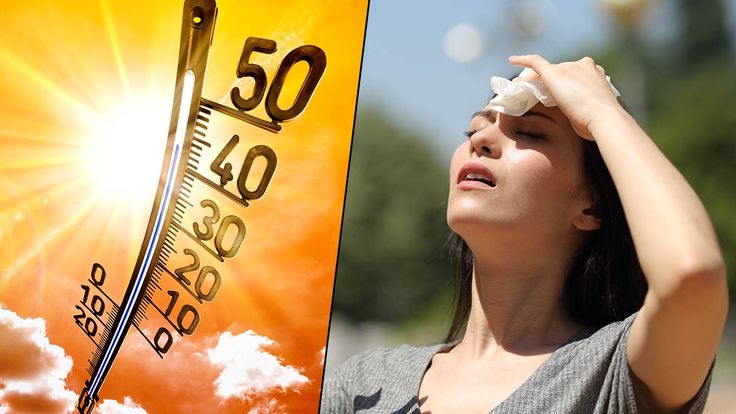
As temperatures rise across the region, we are seeing a significant increase in heat-related admissions. While summer warmth is expected, a heatwave is a different beast—it is a prolonged period of extreme heat that can overwhelm your body’s natural cooling systems.
At Galaxy Hospital, we want to ensure you stay informed and protected. Here is everything you need to know about how heat affects your body and how to stay safe.
Why is a Heatwave Dangerous?
Under normal conditions, your body cools itself by sweating. However, during a heatwave—especially when humidity is high—sweat doesn’t evaporate quickly, causing your internal temperature to rise. This can lead to:
- Strained Heart & Kidneys: Your heart beats faster to move blood to the skin for cooling, and your kidneys work harder to manage fluid loss.
- Dehydration: Excessive fluid loss leads to low blood pressure and fatigue.
- Heat Exhaustion & Heatstroke: Without intervention, mild heat stress can quickly escalate into a life-threatening medical emergency.
Spotting the Signs: When to Take Action
Understanding the progression of heat-related illness can save lives.
| Condition | Symptoms to Watch For | What to Do |
| Heat Cramps | Muscle spasms, heavy sweating. | Rest in a cool place; drink water/ORS. |
| Heat Exhaustion | Dizziness, headache, nausea, heavy sweating, rapid pulse. | Move to AC/shade, apply cool cloths, sip water. |
| Heatstroke | Confusion, high fever (>40°C), dry skin (no sweat), fainting. | Call for emergency medical help immediately. |
Galaxy Hospital’s Safety Checklist
Prevention is the best medicine. Follow these practical steps to stay cool:
- Hydrate Beyond Thirst: Don’t wait until you’re thirsty to drink. Carry a water bottle and supplement with ORS or coconut water to replace lost electrolytes.
- The “12 to 4” Rule: Avoid outdoor activities between 12 PM and 4 PM, when the sun’s intensity is at its peak.
- Dress for the Climate: Opt for loose-fitting, light-colored cotton or linen fabrics that allow your skin to breathe.
- Cool Your Space: Use curtains to block direct sunlight during the day and keep rooms well-ventilated at night.
- Eat Light: Avoid heavy, oily, or high-protein meals that increase internal body heat. Focus on hydrating foods like cucumber, watermelon, and curd.
Who Needs Extra Care?
While heat affects everyone, certain groups are at a higher risk for complications:
- Seniors: The body’s ability to sense thirst and regulate temperature decreases with age.
- Infants & Children: Their bodies heat up faster than adults.
- Expectant Mothers: Pregnancy increases the body’s sensitivity to dehydration.
- Chronic Patients: Those with heart disease, diabetes, or respiratory issues should monitor their symptoms closely.
A Note from our Doctors:
If you or a loved one experience persistent vomiting, mental confusion, or a body temperature that won’t come down, do not wait. Early medical intervention is critical for heatstroke recovery.
Stay safe, stay hydrated, and keep an eye on your neighbors.