Patient safety is the foundation of quality healthcare. Every patient who walks into a hospital, clinic, or healthcare center expects safe, effective, and compassionate treatment. In today’s fast-changing medical environment, ensuring patient safety is not just a responsibility — it is a commitment that healthcare providers must uphold every single day.
From preventing infections and reducing medical errors to maintaining hygiene standards and improving communication, patient safety plays a vital role in protecting lives and improving healthcare outcomes. A strong patient safety culture builds trust between healthcare professionals and patients, ensuring that every individual receives care with dignity, respect, and confidence.
This blog explores the importance of patient safety, common risks in healthcare settings, and how healthcare organizations can create a safer environment for everyone.
What is Patient Safety?
Patient safety refers to the prevention of errors, injuries, infections, and other avoidable complications during medical care. It involves adopting practices and systems that minimize risks and protect patients from harm while receiving treatment.
The goal of patient safety is simple:
- Deliver accurate diagnosis and treatment
- Prevent avoidable medical mistakes
- Improve healthcare quality
- Ensure positive patient outcomes
- Build trust and transparency in healthcare
Patient safety is not limited to doctors alone. It involves nurses, technicians, hospital management, caregivers, and even patients themselves.
Why Patient Safety Matters
1. Protects Patients from Harm
Medical errors can sometimes lead to serious complications, longer hospital stays, or even life-threatening situations. Safe healthcare practices reduce these risks and ensure better recovery.
2. Improves Quality of Care
Healthcare organizations that prioritize patient safety often provide more organized, efficient, and high-quality services.
3. Builds Patient Trust
Patients feel more confident when they know that hospitals follow strict safety measures, hygiene protocols, and transparent communication practices.
4. Reduces Healthcare Costs
Preventing infections, medication errors, and unnecessary procedures can significantly lower healthcare expenses for both hospitals and patients.
5. Enhances Staff Performance
A safe healthcare environment improves teamwork, communication, and morale among healthcare professionals.
Common Patient Safety Challenges
Despite medical advancements, several challenges continue to affect patient safety worldwide.
1. Medication Errors
Incorrect dosage, wrong medications, or misunderstanding prescriptions can lead to harmful side effects and complications.
Prevention Strategies:
- Double-check prescriptions
- Use electronic medical records
- Educate patients about medications
- Clear labeling and documentation
2. Hospital-Acquired Infections (HAIs)
Patients may develop infections during hospital stays due to poor hygiene or improper sterilization practices.
Prevention Strategies:
- Regular hand hygiene
- Sterilization of equipment
- Use of protective gear
- Clean hospital environments
3. Communication Gaps
Miscommunication between healthcare professionals or with patients can result in incorrect treatments or delayed care.
Prevention Strategies:
- Clear documentation
- Team coordination
- Active patient involvement
- Proper discharge instructions
4. Surgical Errors
Mistakes during surgery, such as operating on the wrong site or leaving surgical tools behind, can have severe consequences.
Prevention Strategies:
- Surgical safety checklists
- Pre-operative verification
- Team briefings
- Monitoring protocols
5. Diagnostic Errors
Delayed or incorrect diagnosis can affect treatment effectiveness and patient recovery.
Prevention Strategies:
- Advanced diagnostic tools
- Second opinions when necessary
- Thorough patient evaluation
- Continuous medical training
Our Commitment to Patient Safety
Patient safety should never be compromised. A healthcare organization committed to safety focuses on continuous improvement and patient-centered care.
1. Strict Hygiene and Infection Control
Maintaining cleanliness and sanitation is essential in preventing infections. Healthcare facilities should implement:
- Frequent sanitization
- Handwashing protocols
- Sterile medical equipment
- Waste management systems
2. Experienced and Skilled Medical Team
Qualified healthcare professionals with regular training ensure accurate diagnosis, safe procedures, and compassionate care.
Continuous education helps staff stay updated with modern medical guidelines and technologies.
3. Advanced Technology and Equipment
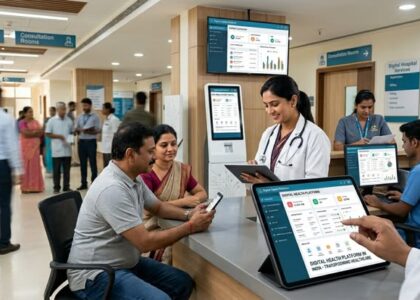
Modern healthcare technology improves precision, reduces human error, and enhances patient monitoring.
Examples include:
- Electronic health records
- Automated medication systems
- Advanced diagnostic imaging
- Smart monitoring devices
4. Patient-Centered Communication
Patients should feel informed and involved in their healthcare journey.
Healthcare providers should:
- Explain procedures clearly
- Encourage questions
- Discuss treatment risks and benefits
- Provide emotional support
5. Emergency Preparedness
Healthcare facilities must be prepared to respond quickly during emergencies such as:
- Cardiac arrest
- Accidents
- Natural disasters
- Disease outbreaks
Regular emergency drills and trained response teams improve readiness.
Role of Patients in Ensuring Safety
Patient safety is a shared responsibility. Patients and caregivers can actively contribute by:
- Sharing complete medical history
- Informing doctors about allergies
- Following medication instructions
- Asking questions about treatments
- Maintaining follow-up appointments
Patients who actively participate in their care often experience better outcomes.
Importance of a Safety Culture in Healthcare
A strong patient safety culture encourages healthcare professionals to:
- Report errors without fear
- Learn from mistakes
- Improve systems continuously
- Work collaboratively
Hospitals that prioritize safety culture create an environment where patient well-being always comes first.
Future of Patient Safety
Healthcare is continuously evolving, and patient safety is becoming more technology-driven and data-focused.
Future trends include:
- Artificial intelligence in diagnostics
- Smart patient monitoring systems
- Digital health records
- Telemedicine safety protocols
- Predictive analytics for risk prevention
These innovations can help reduce errors and improve healthcare efficiency.
Conclusion
Patient safety is more than a healthcare goal — it is a promise to every patient and family seeking care. By focusing on hygiene, communication, skilled professionals, advanced technology, and continuous improvement, healthcare organizations can create safer and more reliable healthcare systems.
Every patient deserves care that is safe, respectful, and compassionate. A strong commitment to patient safety not only protects lives but also strengthens trust, improves outcomes, and builds a healthier future for all.
Because better healthcare begins with patient safety.