

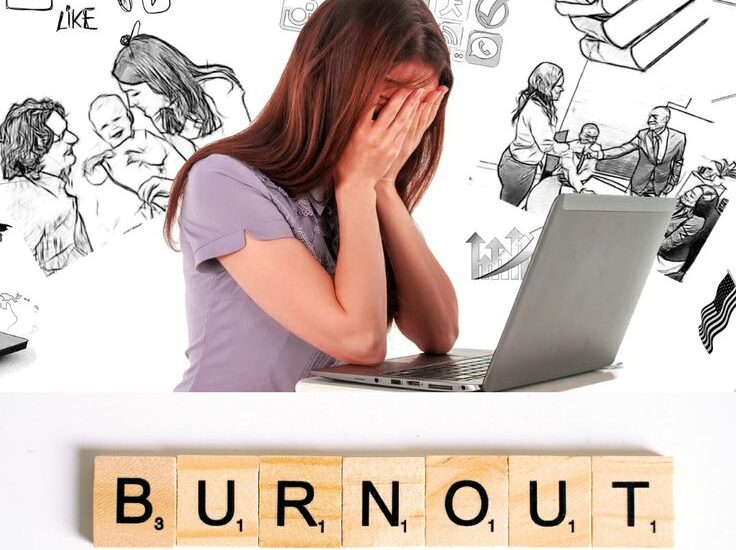
In today’s fast-moving world, stress has become a part of everyday life. From tight work schedules and academic pressure to financial responsibilities and family commitments, many people struggle to balance everything at once. While a certain level of stress can motivate us to perform better, long-term or unmanaged stress can seriously affect both physical and mental health.
Modern lifestyles often leave little time for relaxation, proper sleep, healthy eating, or self-care. Constant notifications, social media pressure, and the expectation to remain productive all the time can make stress even worse. Over time, this may lead to fatigue, anxiety, irritability, poor concentration, headaches, digestive problems, and even chronic illnesses like hypertension and diabetes.
The good news is that stress can be managed effectively with healthy habits and simple lifestyle changes. Managing stress does not mean eliminating all responsibilities—it means learning how to respond to pressure in a healthier and more balanced way.
Understanding Stress
Stress is the body’s natural reaction to challenging situations. When we face pressure or danger, the body releases hormones such as adrenaline and cortisol, preparing us for a “fight or flight” response. This response is useful in emergencies, but continuous stress keeps the body in a constant state of alertness, which can damage health over time.
Common Causes of Stress in a Busy Lifestyle
1. Work Pressure
Long working hours, deadlines, multitasking, and job insecurity are major sources of stress for professionals.
2. Academic Stress
Students often experience stress due to exams, competition, career concerns, and high expectations.
3. Financial Problems
Managing bills, loans, and rising living costs can create ongoing anxiety.
4. Lack of Work-Life Balance
Many people struggle to balance professional responsibilities with personal life and family time.
5. Digital Overload
Excessive screen time and constant social media engagement can overwhelm the mind and reduce mental peace.
6. Poor Sleep and Unhealthy Routine
Irregular sleep schedules, unhealthy eating, and lack of exercise can increase stress levels significantly.
Signs and Symptoms of Stress
Stress affects people differently, but some common signs include:
Physical Symptoms
- Headaches
- Muscle tension
- Fatigue
- Rapid heartbeat
- Digestive issues
- Sleep disturbances
Emotional Symptoms
- Anxiety
- Irritability
- Mood swings
- Feeling overwhelmed
- Lack of motivation
Behavioral Symptoms
- Overeating or loss of appetite
- Social withdrawal
- Increased alcohol or smoking habits
- Difficulty concentrating
Recognizing these symptoms early is important for preventing long-term health problems.
Health Effects of Chronic Stress
If stress continues for a long time without management, it can negatively affect overall health.
Mental Health Problems
Chronic stress increases the risk of anxiety disorders and depression.
Heart Disease
High stress levels can raise blood pressure and increase the risk of heart-related diseases.
Weak Immune System
Stress weakens immunity, making the body more vulnerable to infections.
Digestive Problems
Stress can trigger acidity, bloating, irritable bowel syndrome (IBS), and stomach discomfort.
Sleep Disorders
People under stress often suffer from insomnia or poor-quality sleep.
Effective Ways to Manage Stress in a Busy Lifestyle
1. Prioritize Time Management
Poor time management often increases stress. Organizing daily tasks can make life feel more manageable.
Tips:
- Create a daily schedule
- Set realistic goals
- Avoid procrastination
- Focus on one task at a time
- Take short breaks between work sessions
Learning to manage time effectively reduces pressure and improves productivity.
2. Practice Regular Physical Activity
Exercise is one of the best natural stress relievers. Physical activity releases endorphins, also known as “feel-good hormones.”
Best Activities for Stress Relief:
- Walking
- Yoga
- Cycling
- Swimming
- Dancing
- Stretching exercises
Even 30 minutes of daily exercise can improve mood and reduce stress levels.
3. Get Enough Sleep
Sleep is essential for mental and physical recovery. Lack of sleep increases irritability, fatigue, and emotional imbalance.
Healthy Sleep Habits:
- Maintain a fixed sleep schedule
- Avoid screens before bedtime
- Reduce caffeine intake at night
- Create a calm sleeping environment
Adults generally need 7–8 hours of quality sleep each night.
4. Eat a Balanced Diet
Nutrition plays a major role in stress management. Unhealthy food habits can worsen mood swings and energy levels.
Stress-Reducing Foods:
- Fruits and vegetables
- Nuts and seeds
- Whole grains
- Yogurt
- Green tea
- Foods rich in omega-3 fatty acids
Avoid excessive junk food, sugary drinks, and processed foods.
5. Practice Mindfulness and Meditation
Mindfulness helps people stay focused on the present moment instead of worrying about the future.
Benefits:
- Reduces anxiety
- Improves emotional balance
- Enhances concentration
- Promotes relaxation
Simple breathing exercises and meditation for even 10–15 minutes daily can make a noticeable difference.
6. Limit Screen Time
Constant exposure to social media and digital devices can overstimulate the mind.
Healthy Digital Habits:
- Take regular screen breaks
- Avoid checking phones continuously
- Reduce social media usage before sleep
- Spend more time outdoors
Digital detox practices can improve mental clarity and reduce stress.
7. Stay Connected with Loved Ones
Talking to friends, family members, or supportive people can reduce emotional burden.
Healthy communication helps:
- Release emotions
- Gain support
- Improve mental well-being
- Reduce feelings of loneliness
Never hesitate to seek emotional support when needed.
8. Learn to Say No
Overcommitting to responsibilities can lead to burnout. It is important to understand personal limits.
Setting boundaries helps:
- Protect mental health
- Maintain energy levels
- Improve work-life balance
Remember that taking care of yourself is not selfish—it is necessary.
9. Take Short Breaks and Relax
Continuous work without breaks can increase mental exhaustion.
Relaxation Activities:
- Listening to music
- Reading books
- Gardening
- Traveling
- Spending time in nature
- Pursuing hobbies
Small moments of relaxation help recharge the mind.
10. Seek Professional Help When Needed
If stress becomes overwhelming or starts affecting daily life, consulting a mental health professional is important.
Therapists and counselors can provide:
- Emotional support
- Stress management techniques
- Cognitive behavioral therapy (CBT)
- Coping strategies
Seeking help early can prevent serious mental health complications.
Building a Stress-Free Lifestyle
Managing stress is not about avoiding challenges; it is about developing healthy coping mechanisms. A balanced lifestyle that includes proper rest, healthy food, regular exercise, emotional support, and mindfulness can significantly improve mental well-being.
Small daily habits often create the biggest long-term impact. By prioritizing self-care and maintaining healthy routines, individuals can handle life’s pressures more effectively and enjoy a healthier, happier life.
Conclusion
Stress has become an unavoidable part of modern life, but it does not have to control our health or happiness. Understanding the causes and symptoms of stress is the first step toward managing it effectively. With healthy lifestyle habits, proper time management, physical activity, mindfulness, and emotional support, it is possible to reduce stress and maintain a better quality of life.
Taking care of mental health is just as important as caring for physical health. In a busy lifestyle, making time for rest, relaxation, and self-care is not a luxury—it is a necessity for long-term well-being.In today’s fast-moving world, stress has become a part of everyday life. From tight work schedules and academic pressure to financial responsibilities and family commitments, many people struggle to balance everything at once. While a certain level of stress can motivate us to perform better, long-term or unmanaged stress can seriously affect both physical and mental health.
Modern lifestyles often leave little time for relaxation, proper sleep, healthy eating, or self-care. Constant notifications, social media pressure, and the expectation to remain productive all the time can make stress even worse. Over time, this may lead to fatigue, anxiety, irritability, poor concentration, headaches, digestive problems, and even chronic illnesses like hypertension and diabetes.
The good news is that stress can be managed effectively with healthy habits and simple lifestyle changes. Managing stress does not mean eliminating all responsibilities—it means learning how to respond to pressure in a healthier and more balanced way.
Understanding Stress
Stress is the body’s natural reaction to challenging situations. When we face pressure or danger, the body releases hormones such as adrenaline and cortisol, preparing us for a “fight or flight” response. This response is useful in emergencies, but continuous stress keeps the body in a constant state of alertness, which can damage health over time.
Common Causes of Stress in a Busy Lifestyle
1. Work Pressure
Long working hours, deadlines, multitasking, and job insecurity are major sources of stress for professionals.
2. Academic Stress
Students often experience stress due to exams, competition, career concerns, and high expectations.
3. Financial Problems
Managing bills, loans, and rising living costs can create ongoing anxiety.
4. Lack of Work-Life Balance
Many people struggle to balance professional responsibilities with personal life and family time.
5. Digital Overload
Excessive screen time and constant social media engagement can overwhelm the mind and reduce mental peace.
6. Poor Sleep and Unhealthy Routine
Irregular sleep schedules, unhealthy eating, and lack of exercise can increase stress levels significantly.
Signs and Symptoms of Stress
Stress affects people differently, but some common signs include:
Physical Symptoms
- Headaches
- Muscle tension
- Fatigue
- Rapid heartbeat
- Digestive issues
- Sleep disturbances
Emotional Symptoms
- Anxiety
- Irritability
- Mood swings
- Feeling overwhelmed
- Lack of motivation
Behavioral Symptoms
- Overeating or loss of appetite
- Social withdrawal
- Increased alcohol or smoking habits
- Difficulty concentrating
Recognizing these symptoms early is important for preventing long-term health problems.
Health Effects of Chronic Stress
If stress continues for a long time without management, it can negatively affect overall health.
Mental Health Problems
Chronic stress increases the risk of anxiety disorders and depression.
Heart Disease
High stress levels can raise blood pressure and increase the risk of heart-related diseases.
Weak Immune System
Stress weakens immunity, making the body more vulnerable to infections.
Digestive Problems
Stress can trigger acidity, bloating, irritable bowel syndrome (IBS), and stomach discomfort.
Sleep Disorders
People under stress often suffer from insomnia or poor-quality sleep.
Effective Ways to Manage Stress in a Busy Lifestyle
1. Prioritize Time Management
Poor time management often increases stress. Organizing daily tasks can make life feel more manageable.
Tips:
- Create a daily schedule
- Set realistic goals
- Avoid procrastination
- Focus on one task at a time
- Take short breaks between work sessions
Learning to manage time effectively reduces pressure and improves productivity.
2. Practice Regular Physical Activity
Exercise is one of the best natural stress relievers. Physical activity releases endorphins, also known as “feel-good hormones.”
Best Activities for Stress Relief:
- Walking
- Yoga
- Cycling
- Swimming
- Dancing
- Stretching exercises
Even 30 minutes of daily exercise can improve mood and reduce stress levels.
3. Get Enough Sleep
Sleep is essential for mental and physical recovery. Lack of sleep increases irritability, fatigue, and emotional imbalance.
Healthy Sleep Habits:
- Maintain a fixed sleep schedule
- Avoid screens before bedtime
- Reduce caffeine intake at night
- Create a calm sleeping environment
Adults generally need 7–8 hours of quality sleep each night.
4. Eat a Balanced Diet
Nutrition plays a major role in stress management. Unhealthy food habits can worsen mood swings and energy levels.
Stress-Reducing Foods:
- Fruits and vegetables
- Nuts and seeds
- Whole grains
- Yogurt
- Green tea
- Foods rich in omega-3 fatty acids
Avoid excessive junk food, sugary drinks, and processed foods.
5. Practice Mindfulness and Meditation
Mindfulness helps people stay focused on the present moment instead of worrying about the future.
Benefits:
- Reduces anxiety
- Improves emotional balance
- Enhances concentration
- Promotes relaxation
Simple breathing exercises and meditation for even 10–15 minutes daily can make a noticeable difference.
6. Limit Screen Time
Constant exposure to social media and digital devices can overstimulate the mind.
Healthy Digital Habits:
- Take regular screen breaks
- Avoid checking phones continuously
- Reduce social media usage before sleep
- Spend more time outdoors
Digital detox practices can improve mental clarity and reduce stress.
7. Stay Connected with Loved Ones
Talking to friends, family members, or supportive people can reduce emotional burden.
Healthy communication helps:
- Release emotions
- Gain support
- Improve mental well-being
- Reduce feelings of loneliness
Never hesitate to seek emotional support when needed.
8. Learn to Say No
Overcommitting to responsibilities can lead to burnout. It is important to understand personal limits.
Setting boundaries helps:
- Protect mental health
- Maintain energy levels
- Improve work-life balance
Remember that taking care of yourself is not selfish—it is necessary.
9. Take Short Breaks and Relax
Continuous work without breaks can increase mental exhaustion.
Relaxation Activities:
- Listening to music
- Reading books
- Gardening
- Traveling
- Spending time in nature
- Pursuing hobbies
Small moments of relaxation help recharge the mind.
10. Seek Professional Help When Needed
If stress becomes overwhelming or starts affecting daily life, consulting a mental health professional is important.
Therapists and counselors can provide:
- Emotional support
- Stress management techniques
- Cognitive behavioral therapy (CBT)
- Coping strategies
Seeking help early can prevent serious mental health complications.
Building a Stress-Free Lifestyle
Managing stress is not about avoiding challenges; it is about developing healthy coping mechanisms. A balanced lifestyle that includes proper rest, healthy food, regular exercise, emotional support, and mindfulness can significantly improve mental well-being.
Small daily habits often create the biggest long-term impact. By prioritizing self-care and maintaining healthy routines, individuals can handle life’s pressures more effectively and enjoy a healthier, happier life.
Conclusion
Stress has become an unavoidable part of modern life, but it does not have to control our health or happiness. Understanding the causes and symptoms of stress is the first step toward managing it effectively. With healthy lifestyle habits, proper time management, physical activity, mindfulness, and emotional support, it is possible to reduce stress and maintain a better quality of life.
Taking care of mental health is just as important as caring for physical health. In a busy lifestyle, making time for rest, relaxation, and self-care is not a luxury—it is a necessity for long-term well-being.