
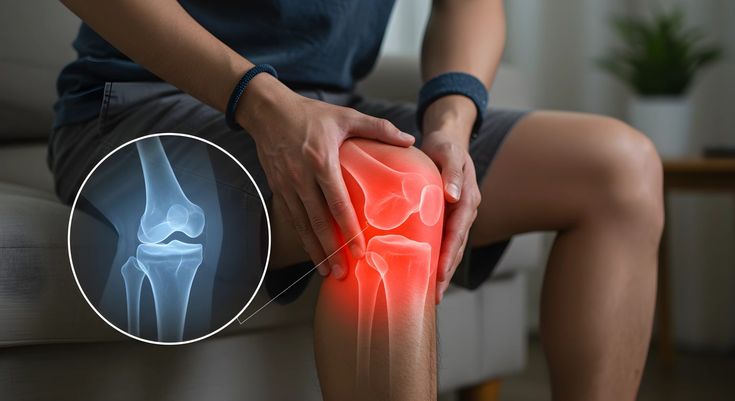
Knee pain is one of the most common health problems affecting people of all age groups. From young athletes and working professionals to older adults, knee pain can interfere with daily activities and reduce quality of life. The knee is a complex joint that supports body weight and allows movement such as walking, running, climbing stairs, and sitting. Because of its constant use, it is highly vulnerable to injuries, wear and tear, and medical conditions.
In recent years, knee pain has become increasingly common due to sedentary lifestyles, obesity, lack of physical activity, poor posture, sports injuries, and aging. Some people experience mild discomfort occasionally, while others suffer from chronic pain that affects mobility and independence.
Understanding the causes, prevention methods, and available treatments can help people manage knee pain effectively and maintain healthy joints for years to come.
Understanding the Knee Joint
The knee is one of the largest and strongest joints in the human body. It is formed by the connection of:
- Thigh bone (Femur)
- Shin bone (Tibia)
- Kneecap (Patella)
The knee also contains:
- Cartilage for smooth movement
- Ligaments for stability
- Tendons connecting muscles to bones
- Synovial fluid for lubrication
Any damage or inflammation in these structures can lead to pain, stiffness, and difficulty in movement.
Common Causes of Knee Pain
1. Osteoarthritis
Osteoarthritis is one of the leading causes of knee pain, especially in older adults. It occurs when the protective cartilage in the knee gradually wears away over time.
Symptoms:
- Joint stiffness
- Swelling
- Pain during movement
- Cracking sound in the knee
- Reduced flexibility
Risk factors include aging, obesity, previous injuries, and genetics.
2. Ligament Injuries
Sports activities and sudden twisting movements can damage knee ligaments.
Common ligament injuries include:
- ACL (Anterior Cruciate Ligament) tear
- MCL (Medial Collateral Ligament) injury
Symptoms:
- Sudden severe pain
- Swelling
- Instability while walking
- Difficulty bearing weight
These injuries are common among athletes and fitness enthusiasts.
3. Meniscus Tear
The meniscus is a rubbery cartilage that cushions the knee joint. Sudden twisting or heavy pressure can cause it to tear.
Symptoms:
- Locking sensation
- Swelling
- Pain while rotating the knee
- Difficulty straightening the leg
4. Tendinitis
Overuse of the knee can inflame the tendons, causing tendinitis.
This condition is common in:
- Runners
- Cyclists
- Jumping athletes
Symptoms:
- Pain during activity
- Tenderness
- Swelling around the tendon
5. Obesity
Excess body weight places additional stress on the knees. Every extra kilogram increases pressure on the knee joints, accelerating cartilage damage.
Obesity significantly increases the risk of:
- Osteoarthritis
- Chronic inflammation
- Reduced mobility
6. Rheumatoid Arthritis
This is an autoimmune disease where the immune system attacks joint tissues, causing inflammation and pain.
Symptoms:
- Morning stiffness
- Swollen joints
- Warmth around the knee
- Fatigue
7. Poor Posture & Sedentary Lifestyle
Long sitting hours, lack of exercise, and improper posture weaken muscles supporting the knee.
Weak muscles increase stress on the joint and may lead to chronic pain over time.
8. Fractures & Trauma
Accidents, falls, or direct impact can cause fractures around the knee joint.
Immediate medical attention is necessary in such cases.
Symptoms of Knee Pain
Knee pain symptoms may vary depending on the cause.
Common signs include:
- Swelling
- Stiffness
- Redness
- Weakness
- Difficulty walking
- Popping or crunching sounds
- Limited range of motion
- Pain during climbing stairs
Severe symptoms such as inability to bear weight, major swelling, or deformity require urgent medical evaluation.
Risk Factors for Knee Pain
Several factors increase the likelihood of knee problems:
Age
Joint degeneration becomes more common with aging.
Excess Weight
Obesity increases stress on the knee joint.
Sports Activities
High-impact sports raise injury risk.
Muscle Weakness
Weak thigh and leg muscles reduce knee support.
Previous Injuries
Old injuries can increase the risk of future knee problems.
Occupation
Jobs involving repetitive kneeling, squatting, or heavy lifting may strain the knees.
How to Prevent Knee Pain
Preventive measures can significantly reduce the risk of knee problems.
1. Maintain Healthy Weight
Losing excess weight reduces pressure on knee joints and lowers arthritis risk.
A balanced diet and regular exercise are essential.
2. Exercise Regularly
Strengthening muscles around the knee improves joint stability.
Helpful exercises include:
- Walking
- Swimming
- Cycling
- Yoga
- Stretching exercises
Low-impact exercises are safer for the joints.
3. Warm Up Before Exercise
Proper warm-up prepares muscles and ligaments for activity, reducing injury risk.
4. Use Proper Footwear
Supportive shoes help maintain proper alignment and reduce stress on the knees.
5. Avoid Prolonged Sitting
Take breaks and stretch regularly if you sit for long hours.
6. Improve Posture
Correct posture while sitting, standing, and lifting can protect the knees from unnecessary strain.
7. Strength Training
Strong leg muscles absorb shock and protect knee joints.
Focus on:
- Quadriceps
- Hamstrings
- Calf muscles
Diagnosis of Knee Pain
Doctors may diagnose knee pain through:
Physical Examination
Checking swelling, movement, and tenderness.
Imaging Tests
- X-rays
- MRI scans
- CT scans
Blood Tests
Used to identify infections or autoimmune conditions.
Early diagnosis helps prevent long-term complications.
Treatment Options for Knee Pain
Treatment depends on the underlying cause and severity.
1. Rest & Ice Therapy
Resting the knee and applying ice can reduce swelling and pain.
Ice should be applied for:
- 15–20 minutes
- Several times daily
2. Medications
Doctors may recommend:
- Pain relievers
- Anti-inflammatory drugs
- Muscle relaxants
Medication should only be taken under medical supervision.
3. Physiotherapy
Physical therapy helps:
- Strengthen muscles
- Improve flexibility
- Restore movement
It is highly effective for chronic knee conditions.
4. Knee Braces & Support
Braces provide stability and reduce pressure on injured knees.
5. Injections
Some patients may benefit from:
- Corticosteroid injections
- Hyaluronic acid injections
These can temporarily reduce pain and inflammation.
6. Surgery
Severe cases may require surgical treatment such as:
- Arthroscopy
- Ligament reconstruction
- Partial knee replacement
- Total knee replacement
Surgery is usually considered when conservative treatments fail.
Home Remedies for Mild Knee Pain
Some simple remedies may help relieve mild discomfort:
- Apply warm or cold compresses
- Elevate the leg
- Gentle stretching
- Maintain hydration
- Avoid overexertion
- Use turmeric or anti-inflammatory foods
However, persistent pain should never be ignored.
When to See a Doctor
Consult a healthcare professional if you experience:
- Severe pain
- Swelling that doesn’t improve
- Difficulty walking
- Fever with knee pain
- Knee deformity
- Sudden injury
- Locking or instability
Early treatment can prevent permanent joint damage.
Lifestyle Tips for Healthy Knees
To maintain strong and healthy knees:
- Stay physically active
- Maintain ideal body weight
- Eat calcium and vitamin D-rich foods
- Avoid smoking
- Stay hydrated
- Practice safe exercise techniques
Healthy lifestyle habits can greatly reduce the risk of chronic knee problems.
Conclusion
Knee pain is a common but manageable condition that affects millions of people worldwide. Whether caused by aging, injury, obesity, arthritis, or lifestyle habits, timely care and preventive measures can make a significant difference.
Regular exercise, maintaining a healthy weight, proper posture, and early medical attention are key to protecting knee health. Ignoring persistent knee pain can lead to serious complications and reduced mobility.
By understanding the causes, prevention strategies, and treatment options, individuals can take proactive steps toward healthier joints and a more active, pain-free life.