
Fever is one of the most common symptoms experienced by people of all ages. It often causes anxiety, especially among parents, but fever itself is not always dangerous. In most cases, it is the body’s natural response to infection and a sign that the immune system is actively fighting harmful germs. However, there are situations where a fever may indicate a serious underlying condition that requires medical attention.
Understanding the difference between a mild, manageable fever and a potentially dangerous one can help individuals make informed decisions about care and treatment. This article explains what fever is, its common causes, symptoms, treatment options, and the warning signs that should never be ignored.
What Is Fever?
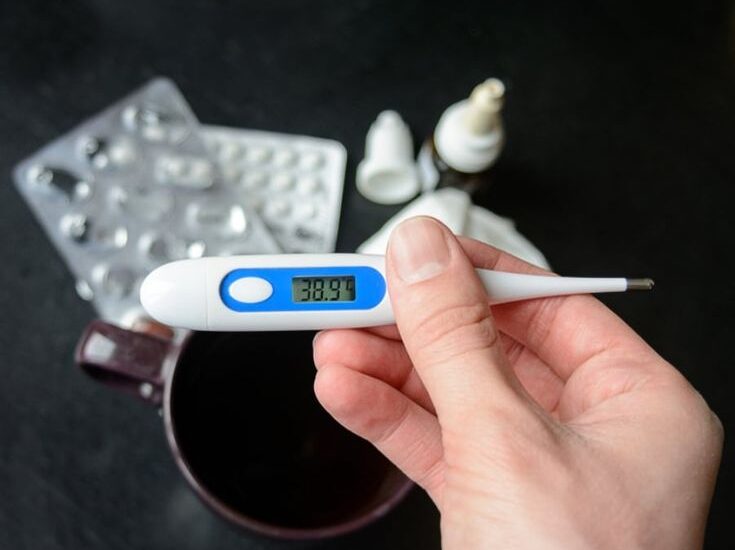
Fever is a temporary increase in body temperature above the normal range. A normal body temperature is usually around 98.6°F (37°C), although it may vary slightly from person to person.
A fever is generally considered when body temperature reaches:
- 100.4°F (38°C) or higher in adults and children
- Slight temperature variations can occur due to exercise, weather, or time of day
Fever is not a disease itself. Instead, it is a symptom indicating that the body is responding to an illness or infection.
Why Does Fever Occur?
When bacteria, viruses, or other harmful organisms enter the body, the immune system releases chemicals that raise body temperature. This higher temperature helps the body fight infections more effectively.
Fever may occur due to:
- Viral infections such as flu or common cold
- Bacterial infections
- Food poisoning
- Dengue or malaria
- Urinary tract infections
- Pneumonia
- COVID-19
- Heat exhaustion
- Vaccination reactions
- Inflammatory conditions
In many cases, fever resolves within a few days without serious complications.
Common Symptoms Associated with Fever
Fever may be accompanied by several symptoms depending on the cause. Common signs include:
- Chills and shivering
- Sweating
- Body aches
- Headache
- Weakness or fatigue
- Loss of appetite
- Dehydration
- Irritability in children
- Difficulty sleeping
Some infections may also cause cough, sore throat, vomiting, diarrhea, or skin rashes.
Types of Fever
Low-Grade Fever
A mild increase in body temperature, usually below 101°F (38.3°C). Often caused by minor viral infections.
Moderate Fever
Temperature between 101°F and 103°F. Common in flu, throat infections, or viral illnesses.
High Fever
Temperature above 103°F (39.4°C). May require closer monitoring, especially in children and elderly individuals.
Persistent Fever
A fever lasting more than 3–5 days may indicate a more serious infection or medical condition.
When Fever Is Usually Not Serious
In many situations, fever can be safely managed at home. You may not need to worry if:
- The fever is mild and short-lasting
- The person remains active and hydrated
- Symptoms improve with rest and fluids
- Fever responds to medications like paracetamol
- There are no breathing difficulties or severe pain
Mild fevers are common during viral infections and usually disappear within a few days.
Home Care Tips for Fever
Stay Hydrated
Drink plenty of water, oral rehydration solutions, soups, and fresh juices to prevent dehydration.
Take Adequate Rest
Rest helps the immune system recover faster.
Wear Lightweight Clothing
Avoid heavy blankets or overdressing, as this can increase body temperature further.
Use Fever-Reducing Medicines Carefully
Paracetamol or acetaminophen may help reduce fever and discomfort when taken as advised by a healthcare professional.
Eat Light and Nutritious Food
Consume easily digestible foods such as fruits, soups, rice, and vegetables.
When Should You Worry About Fever?
Although most fevers are harmless, some warning signs require immediate medical attention.
Seek Medical Help If:
Fever Is Very High
- Temperature exceeds 103°F (39.4°C) in adults
- Persistent high fever in children
Fever Lasts Too Long
- More than 3 days in adults
- More than 24–48 hours in infants or small children
Difficulty Breathing
Shortness of breath, chest pain, or wheezing may indicate a serious infection.
Severe Headache or Stiff Neck
These symptoms may suggest meningitis or neurological infections.
Confusion or Unconsciousness
Any mental confusion, seizures, or extreme drowsiness should be treated as an emergency.
Dehydration Signs
- Dry mouth
- Reduced urination
- Dizziness
- Extreme weakness
Skin Rash
A sudden rash with fever may indicate dengue, measles, allergic reactions, or severe infections.
Persistent Vomiting or Diarrhea
This can quickly lead to dehydration, especially in children and elderly individuals.
Fever in Children: Special Attention Needed
Children often develop fever more easily than adults because their immune systems are still developing.
Contact a Doctor Immediately If:
- Infant below 3 months has fever
- Child experiences seizures
- Difficulty waking the child
- Persistent crying or irritability
- Refusal to eat or drink
- Blue lips or breathing problems
Parents should avoid giving medicines without proper dosage guidance.
Fever During Seasonal Infections
In countries like India, fever is common during monsoon and seasonal weather changes due to increased infections such as:
- Dengue
- Malaria
- Typhoid
- Viral flu
- Chikungunya
Early diagnosis is important because some of these illnesses can become severe if left untreated.
Can Fever Be Beneficial?
Yes. Fever is actually part of the body’s defense mechanism. Moderate fever helps the immune system work more efficiently against viruses and bacteria. Therefore, not every fever needs aggressive treatment unless it causes discomfort or reaches dangerous levels.
Preventing Fever and Infections
Simple preventive measures can reduce the risk of infections that cause fever:
- Wash hands regularly
- Drink clean and safe water
- Maintain proper hygiene
- Eat freshly cooked food
- Avoid mosquito bites
- Get recommended vaccinations
- Maintain a healthy immune system through proper diet and sleep
Conclusion
Fever is a common symptom and, in most cases, a natural sign that the body is fighting infection. Mild fevers often improve with rest, hydration, and basic home care. However, persistent, very high, or unusual fevers should never be ignored, especially when accompanied by breathing difficulty, dehydration, confusion, or severe pain.
Knowing when to monitor a fever at home and when to seek medical attention can help prevent complications and ensure timely treatment. If fever symptoms become severe or do not improve, consulting a healthcare professional is always the safest choice.