

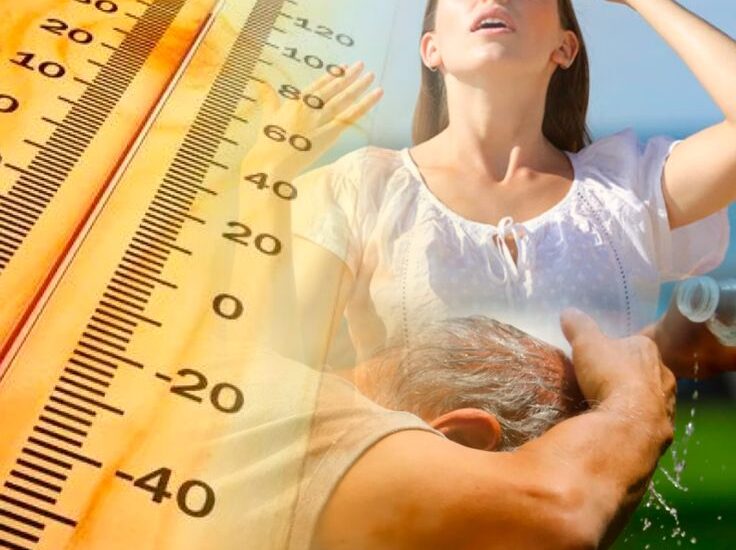
Summer is a season of sunshine, vacations, outdoor activities, and longer days. However, the rising temperatures and humidity can also bring several health problems if proper precautions are not taken. From dehydration and heatstroke to food poisoning and skin infections, summer can affect people of all ages, especially children, older adults, and individuals with chronic illnesses.
Understanding common summer health problems and learning how to stay safe can help you enjoy the season while protecting your health.
Why Summer Can Affect Your Health
During summer, the body loses more fluids through sweating to maintain its normal temperature. Excessive heat, humidity, contaminated food, and increased exposure to sunlight can lead to various physical problems. In tropical countries like India, heatwaves and high temperatures often increase the risk of heat-related illnesses.
People who work outdoors, travel frequently, or spend long hours in the sun are at greater risk.
Common Health Problems During Summer
1. Dehydration
Dehydration is one of the most common health issues during summer. Excessive sweating causes the body to lose water and essential minerals.
Symptoms of Dehydration
- Extreme thirst
- Dry mouth
- Dizziness
- Fatigue
- Headache
- Dark yellow urine
- Muscle cramps
How to Prevent Dehydration
- Drink 2–3 liters of water daily
- Carry a water bottle while traveling
- Consume coconut water, lemon water, and ORS
- Avoid excessive caffeine and alcohol
- Eat water-rich fruits like watermelon, cucumber, and oranges
2. Heat Exhaustion
Heat exhaustion occurs when the body overheats due to prolonged exposure to high temperatures.
Symptoms
- Heavy sweating
- Weakness
- Nausea
- Rapid heartbeat
- Cold or clammy skin
- Fainting
Prevention Tips
- Stay indoors during peak afternoon heat
- Wear light-colored cotton clothes
- Use fans or air conditioning
- Take regular breaks if working outside
If untreated, heat exhaustion may progress to heatstroke, which is a medical emergency.
3. Heatstroke
Heatstroke happens when the body temperature rises dangerously high and cannot cool itself.
Symptoms
- High fever
- Hot, dry skin
- Confusion
- Difficulty breathing
- Loss of consciousness
Immediate Actions
- Move the person to a cool place
- Apply cold water or ice packs
- Give fluids if conscious
- Seek emergency medical help immediately
4. Food Poisoning
Hot weather allows bacteria to grow rapidly in food, increasing the risk of foodborne illnesses.
Common Causes
- Eating stale or uncovered food
- Street food contamination
- Improper food storage
- Unclean drinking water
Symptoms
- Vomiting
- Diarrhea
- Stomach pain
- Fever
Prevention
- Eat freshly cooked food
- Avoid uncovered street food
- Refrigerate perishable items properly
- Wash fruits and vegetables thoroughly
- Drink clean and filtered water
5. Sunburn and Skin Problems
Excessive sun exposure can damage the skin and cause painful sunburns.
Common Skin Issues in Summer
- Sunburn
- Rashes
- Fungal infections
- Acne and oily skin
- Prickly heat
Prevention Tips
- Apply sunscreen with SPF 30 or higher
- Wear sunglasses and hats
- Avoid direct sun exposure between 11 AM and 4 PM
- Keep skin clean and dry
- Wear breathable cotton clothing
6. Eye Infections and Irritation
Dust, sweat, pollution, and UV rays can irritate the eyes during summer.
Symptoms
- Redness
- Itching
- Burning sensation
- Watery eyes
Prevention
- Wear UV-protected sunglasses
- Avoid touching eyes with dirty hands
- Wash eyes with clean water
- Stay hydrated
7. Viral and Mosquito-Borne Diseases
Summer and monsoon seasons increase mosquito breeding, leading to infections like:
- Dengue
- Malaria
- Chikungunya
Prevention
- Use mosquito repellents
- Avoid stagnant water around the house
- Wear full-sleeved clothes
- Use mosquito nets while sleeping
8. Stomach Infections
High temperatures can spoil food quickly and affect digestion.
Common Symptoms
- Acidity
- Indigestion
- Diarrhea
- Loss of appetite
Tips for Better Digestion in Summer
- Eat light meals
- Avoid oily and spicy foods
- Include curd and fruits in your diet
- Maintain proper hygiene
Best Foods to Eat During Summer
Healthy eating can help the body stay cool and hydrated.
Recommended Summer Foods
- Watermelon
- Cucumber
- Muskmelon
- Coconut water
- Yogurt and curd
- Lemon water
- Mint
- Fresh salads
These foods help maintain hydration and improve digestion.
Summer Safety Tips for Everyone
Stay Hydrated
Drink water regularly even if you do not feel thirsty.
Avoid Peak Heat Hours
Try to stay indoors during midday heat.
Wear Comfortable Clothing
Choose loose, breathable cotton clothes.
Maintain Hygiene
Wash hands frequently and keep food covered.
Protect Your Skin
Use sunscreen and avoid prolonged sun exposure.
Take Care of Children and Elderly People
They are more vulnerable to heat-related illnesses.
Exercise Carefully
Avoid intense outdoor workouts during extremely hot weather.
When to See a Doctor
Seek medical attention if you experience:
- Persistent vomiting or diarrhea
- High fever
- Severe dehydration
- Difficulty breathing
- Confusion or fainting
- Signs of heatstroke
Early medical care can prevent serious complications.
Conclusion
Summer can bring many health challenges, but most problems can be prevented with proper care and awareness. Staying hydrated, eating healthy foods, maintaining hygiene, and avoiding excessive heat exposure are simple yet effective ways to stay safe during hot weather.
By taking the right precautions, you can enjoy a healthy and comfortable summer season with your family.