

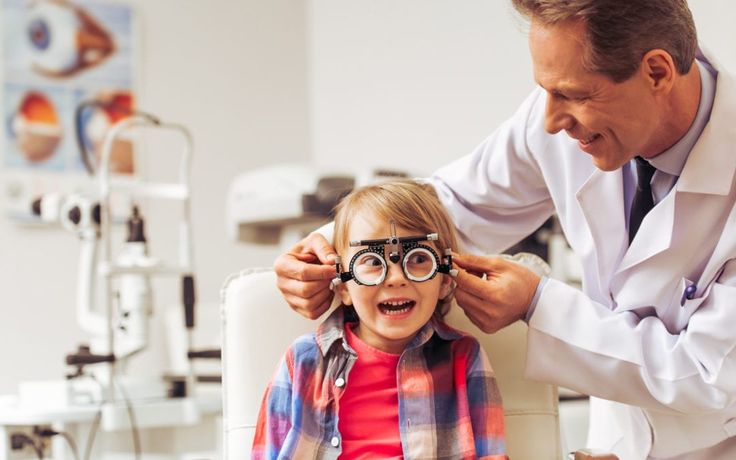
A child’s vision plays a crucial role in their learning, development, and overall quality of life. Since children may not always realize or communicate that they are having trouble seeing, parents and teachers must pay close attention to subtle signs of vision problems. Poor eyesight can affect academic performance, concentration, confidence, and even social interaction. Early detection and treatment can help prevent long-term complications and ensure healthy visual development.
Why Good Vision Is Important for Children
Vision is closely connected to a child’s growth and learning process. Children use their eyes for reading, writing, playing, recognizing faces, and exploring the world around them. Studies show that a large part of classroom learning depends on visual skills. If a child struggles to see clearly, it may lead to frustration, poor school performance, and reduced interest in activities.
Regular eye examinations and awareness of warning signs can help parents identify issues before they become serious.
Common Signs of Poor Vision in Children
1. Squinting Frequently
Children often squint when they are unable to see clearly. Squinting temporarily improves focus by reducing the amount of light entering the eyes. If your child constantly squints while watching television, reading, or looking at distant objects, it may indicate refractive errors such as:
- Nearsightedness (Myopia)
- Farsightedness (Hyperopia)
- Astigmatism
2. Sitting Too Close to the TV or Holding Books Very Near
A child with difficulty seeing distant objects may sit very close to the television or hold books and mobile devices close to their face. This is one of the most common early signs of myopia in children.
3. Frequent Eye Rubbing
Occasional eye rubbing is normal, especially when children are tired. However, excessive rubbing may suggest:
- Eye strain
- Allergies
- Fatigue due to focusing difficulties
- Vision problems
Persistent rubbing should not be ignored.
4. Complaints of Headaches
Children with uncorrected vision problems often experience headaches, especially after reading or schoolwork. Their eyes work harder to focus, leading to strain and discomfort.
Headaches related to vision issues commonly occur:
- After homework
- During screen time
- In the evening after school
5. Difficulty Reading or Poor Academic Performance
Vision problems can directly affect learning abilities. A child may:
- Lose their place while reading
- Skip lines or words
- Read slowly
- Avoid reading altogether
- Show declining school performance
Sometimes these symptoms are mistaken for lack of interest or attention problems.
6. Covering One Eye While Reading or Watching
Children may cover one eye to see more clearly if one eye is weaker than the other. This may indicate:
- Lazy eye (Amblyopia)
- Double vision
- Eye alignment problems
Early treatment is important to avoid permanent vision loss.
7. Sensitivity to Light
Excessive sensitivity to sunlight or bright indoor lighting can signal:
- Eye infections
- Corneal problems
- Inflammation
- Other eye conditions
If light sensitivity is accompanied by redness or watering, an eye examination is necessary.
8. Difficulty Maintaining Eye Contact
Infants and young children who avoid eye contact or fail to follow moving objects may have underlying vision concerns. Delayed visual development should be evaluated by an eye specialist.
9. Poor Hand-Eye Coordination
Vision problems can affect coordination and balance. Children may:
- Frequently bump into objects
- Struggle to catch balls
- Have trouble with sports activities
- Appear clumsy
Sometimes poor coordination is related to depth perception issues.
10. Excessive Tearing or Red Eyes
Constant watering, redness, or irritation may indicate:
- Eye strain
- Allergies
- Infections
- Blocked tear ducts
- Vision-related stress
Persistent symptoms require medical attention.
11. Tilting the Head Frequently
Children may tilt their head to one side while focusing on objects to compensate for vision imbalance or eye muscle issues. This can be associated with:
- Strabismus (crossed eyes)
- Astigmatism
- Muscle weakness
12. Difficulty Seeing the Classroom Board
Teachers are often the first to notice when a child cannot clearly see the board in class. Signs include:
- Moving closer to the board
- Copying from classmates
- Difficulty completing written tasks
- Reduced classroom participation
Common Vision Problems in Children
Myopia (Nearsightedness)
Children can see nearby objects clearly but struggle with distant objects.
Hyperopia (Farsightedness)
Difficulty focusing on nearby objects, especially while reading.
Astigmatism
Blurred or distorted vision caused by irregular curvature of the cornea.
Amblyopia (Lazy Eye)
Reduced vision in one eye due to improper visual development.
Strabismus
Misalignment of the eyes where they do not look in the same direction.
When Should Children Have an Eye Check-Up?
Experts recommend regular eye examinations even if no symptoms are present.
Suggested Eye Exam Schedule:
- First eye screening: Around 6 months of age
- Preschool exam: Between 3–5 years
- Before starting school
- Every 1–2 years afterward
Children with family history of eye problems may need more frequent check-ups.
Tips to Protect Children’s Eye Health
Limit Screen Time
Excessive mobile and tablet use can increase eye strain and may contribute to myopia progression.
Encourage Outdoor Activities
Outdoor play is beneficial for healthy eye development.
Maintain Proper Reading Distance
Children should read in good lighting and keep books at a comfortable distance.
Provide a Healthy Diet
Foods rich in:
- Vitamin A
- Omega-3 fatty acids
- Lutein
- Zinc
support good eye health.
Ensure Regular Eye Exams
Routine eye check-ups help detect issues early before they affect learning and development.
Conclusion
Poor vision in children often goes unnoticed because many children assume everyone sees the world the same way they do. Recognizing the early signs of vision problems can make a major difference in a child’s academic success, confidence, and overall well-being. Parents and teachers should remain alert to behavioral changes, complaints of headaches, difficulty reading, or unusual eye habits.
Early diagnosis and proper treatment can protect your child’s vision and support healthy development for years to come.