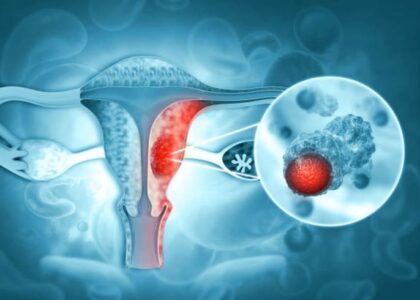


Menstrual health is an important part of a woman’s overall well-being, yet it is often surrounded by myths, confusion, and silence. Many girls and women hesitate to talk openly about periods, irregular cycles, heavy bleeding, or menstrual pain because they think it is “normal” or feel embarrassed to seek help. However, understanding menstrual health is essential because the menstrual cycle can provide valuable insight into the body’s overall health.
Every woman experiences her period differently. Some may have mild cramps and regular cycles, while others may struggle with severe pain, irregular bleeding, or emotional changes. Knowing what is considered normal—and what may signal a medical concern—can help women take better care of their reproductive and hormonal health.
This article aims to raise awareness about menstrual health, explain the normal menstrual cycle, identify warning signs that should not be ignored, and offer practical tips for maintaining healthy periods.
Understanding the Menstrual Cycle
The menstrual cycle is a natural biological process that prepares the female body for pregnancy each month. It is controlled by hormones such as estrogen and progesterone.
A typical menstrual cycle includes four phases:
1. Menstrual Phase
This is when bleeding occurs as the uterus sheds its lining. Periods usually last between 3–7 days.
2. Follicular Phase
Hormones stimulate the ovaries to prepare an egg for release.
3. Ovulation
The mature egg is released from the ovary, usually around the middle of the cycle.
4. Luteal Phase
The body prepares for pregnancy. If pregnancy does not occur, hormone levels drop and menstruation begins again.
What Is Considered Normal?
Every woman’s body is different, but certain menstrual patterns are generally considered healthy and normal.
Normal Menstrual Cycle Length
A normal cycle usually ranges from 21 to 35 days.
Normal Period Duration
Bleeding typically lasts between 3 and 7 days.
Normal Blood Flow
Most women lose about 30–80 ml of blood during a period. Changing pads or tampons every 3–4 hours is generally considered normal.
Mild Cramping
Light to moderate abdominal cramps during the first few days of menstruation are common.
Emotional Changes
Mood swings, irritability, bloating, breast tenderness, and fatigue before periods are common symptoms of Premenstrual Syndrome (PMS).
Slight Variations
Occasional changes in cycle timing due to stress, travel, illness, diet changes, or hormonal fluctuations are usually not serious.
What’s NOT Normal?
Some menstrual symptoms may indicate underlying health conditions and should not be ignored.
Extremely Painful Periods
Severe pain that interferes with daily activities, work, or school is not normal. It may indicate conditions such as:
- Endometriosis
- Adenomyosis
- Pelvic inflammatory disease (PID)
- Uterine fibroids
Very Heavy Bleeding
You should consult a doctor if you:
- Soak through pads or tampons every hour
- Pass large blood clots
- Experience bleeding lasting more than 7 days
- Feel weak or dizzy during periods
Heavy bleeding can lead to anemia and may be linked to hormonal imbalance or uterine problems.
Irregular Periods
Occasional irregularity can happen, especially during teenage years or near menopause. However, frequent irregular cycles may indicate:
- Polycystic Ovary Syndrome (PCOS)
- Thyroid disorders
- Stress or eating disorders
- Hormonal imbalance
Missed Periods
Missing periods without pregnancy may be caused by:
- Excessive exercise
- Sudden weight loss
- Stress
- PCOS
- Hormonal disorders
Bleeding Between Periods
Spotting or bleeding between cycles should always be evaluated, especially if it occurs frequently.
Severe PMS Symptoms
Extreme mood changes, depression, anxiety, or emotional distress before periods may indicate Premenstrual Dysphoric Disorder (PMDD).
Foul-Smelling Discharge or Fever
This may suggest an infection and requires medical attention.
Common Menstrual Disorders
1. Polycystic Ovary Syndrome (PCOS)
A hormonal disorder causing irregular periods, acne, weight gain, and excessive hair growth.
2. Endometriosis
A painful condition where tissue similar to the uterine lining grows outside the uterus.
3. Dysmenorrhea
Severe menstrual cramps that can disrupt normal activities.
4. Menorrhagia
Excessive or prolonged menstrual bleeding.
5. Amenorrhea
Absence of menstruation for several months.
Importance of Menstrual Hygiene
Good menstrual hygiene helps prevent infections and promotes comfort and confidence.
Essential Hygiene Tips
- Change sanitary pads or tampons regularly
- Wash hands before and after changing products
- Keep the genital area clean and dry
- Use clean underwear
- Avoid using heavily scented products
- Properly dispose of menstrual products
Women can choose from various menstrual products such as:
- Sanitary pads
- Tampons
- Menstrual cups
- Period underwear
Choosing the right product depends on comfort, lifestyle, and personal preference.
The Role of Nutrition and Lifestyle
A healthy lifestyle can positively affect menstrual health.
Eat a Balanced Diet
Include:
- Iron-rich foods
- Fruits and vegetables
- Whole grains
- Protein-rich foods
Stay Hydrated
Drinking enough water can reduce bloating and fatigue.
Exercise Regularly
Physical activity improves blood circulation and reduces cramps and stress.
Manage Stress
Stress can affect hormones and disrupt the menstrual cycle. Meditation, yoga, and proper sleep can help.
Maintain a Healthy Weight
Both underweight and overweight conditions can impact menstrual regularity.
Breaking Menstrual Myths
Many cultural myths still surround menstruation. Some common misconceptions include:
- Women should avoid exercise during periods
- Menstruation is “unclean”
- Period pain is always normal
- Girls should not discuss periods openly
Education and awareness are essential to break stigma and encourage healthier conversations about menstrual health.
When Should You See a Doctor?
Consult a healthcare professional if you experience:
- Severe menstrual pain
- Heavy bleeding
- Missed periods
- Irregular cycles
- Bleeding between periods
- Symptoms of anemia
- Severe emotional symptoms
- Sudden changes in your cycle
Early diagnosis and treatment can prevent complications and improve quality of life.
Conclusion
Menstrual health is a vital part of women’s physical, emotional, and reproductive health. While some discomfort during periods can be normal, severe pain, heavy bleeding, or irregular cycles should never be ignored. Understanding the difference between what is normal and what may indicate a health problem empowers women to seek timely medical care and make informed decisions about their health.
Open conversations, proper education, healthy lifestyle habits, and regular medical checkups can help women manage their menstrual health confidently and comfortably. By spreading awareness and breaking stigma, society can create a healthier and more supportive environment for every woman.