

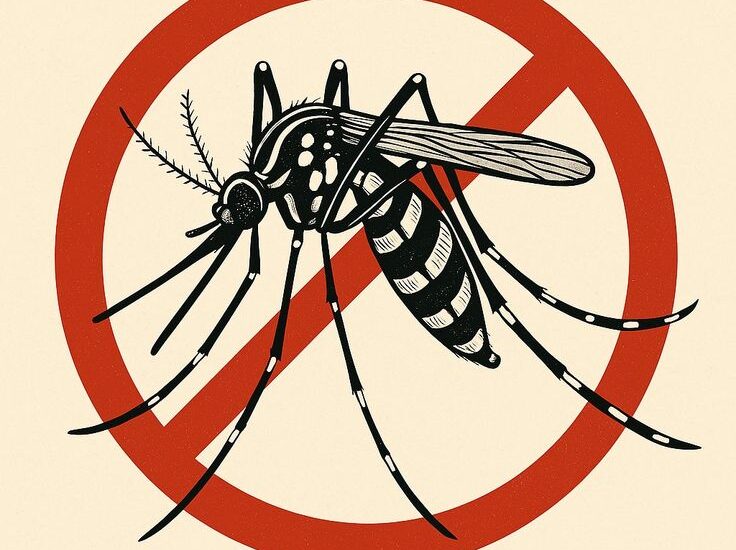
Dengue fever has become one of the most common mosquito-borne diseases affecting millions of people every year, especially during the rainy and humid seasons. It is caused by the dengue virus, which spreads through the bite of infected Aedes mosquitoes, mainly Aedes aegypti. These mosquitoes usually bite during the daytime and breed in clean, stagnant water found around homes and neighborhoods.
Dengue can affect people of all ages, from children to older adults. While many cases are mild, severe dengue can lead to dangerous complications such as internal bleeding, dehydration, and shock. Since there is no specific cure for dengue, prevention remains the best protection for families.
Understanding how dengue spreads and learning simple preventive habits can significantly reduce the risk of infection. Every family should take active steps to protect their homes and loved ones from mosquito breeding and bites.
What Is Dengue Fever?
Dengue is a viral infection transmitted through mosquito bites. It commonly occurs in tropical and subtropical regions where warm weather and rainfall create ideal breeding conditions for mosquitoes.
The symptoms usually appear 4–10 days after being bitten by an infected mosquito.
Common Symptoms of Dengue
- High fever
- Severe headache
- Pain behind the eyes
- Joint and muscle pain
- Skin rash
- Nausea and vomiting
- Fatigue and weakness
Warning Signs of Severe Dengue
Seek immediate medical attention if any of these symptoms appear:
- Severe abdominal pain
- Bleeding from gums or nose
- Blood in vomit or stool
- Difficulty breathing
- Extreme weakness or restlessness
- Persistent vomiting
Early diagnosis and proper medical care can help prevent serious complications.
Why Dengue Prevention Is Important
Dengue cases often rise rapidly during monsoon and post-monsoon seasons. Mosquitoes can breed quickly in small amounts of stagnant water, making homes and surrounding areas high-risk zones.
Preventing dengue is important because:
- There is no guaranteed specific treatment for dengue.
- Severe dengue can become life-threatening.
- Children and elderly individuals are more vulnerable.
- Prevention reduces community outbreaks.
- Simple precautions can protect the entire family.
Dengue Prevention Tips Every Family Should Know
1. Eliminate Stagnant Water Around Your Home
Mosquitoes breed in standing water. Even a small amount of water collected in containers can become a breeding site.
Check and clean:
- Flower pots
- Buckets
- Water tanks
- Old tires
- Coolers
- Pet water bowls
- Coconut shells
- Drains and gutters
Empty and clean these areas at least once every week.
2. Keep Water Storage Containers Covered
If your family stores water in tanks, drums, or containers, always keep them tightly covered. Open containers allow mosquitoes to lay eggs easily.
Use proper lids and clean storage containers regularly.
3. Use Mosquito Repellents
Applying mosquito repellent can help protect both adults and children from mosquito bites.
Types of repellents:
- Mosquito creams and sprays
- Electric vaporizers
- Mosquito coils
- Natural repellents
Always use child-safe products for young children.
4. Wear Protective Clothing
Clothing can act as a physical barrier against mosquito bites.
Recommended clothing:
- Full-sleeved shirts
- Full-length pants
- Socks for children
- Light-colored clothes
This is especially important during early morning and evening hours.
5. Install Mosquito Nets and Screens
Using mosquito nets while sleeping helps reduce exposure to mosquito bites.
You can also:
- Install mesh screens on windows and doors
- Repair damaged screens
- Use bed nets for infants and elderly family members
6. Keep Your Surroundings Clean
A clean environment reduces mosquito breeding opportunities.
Important practices:
- Dispose of garbage properly
- Avoid water accumulation in outdoor areas
- Clean rooftop drains
- Maintain gardens regularly
Community cleanliness also plays a major role in dengue prevention.
7. Change Water Frequently
Water stored for pets, birds, or plants should be changed frequently.
Areas often ignored:
- Refrigerator trays
- Air cooler trays
- Bird feeders
- Plant saucers
These hidden areas often become mosquito breeding spots.
8. Protect Children From Mosquito Bites
Children are highly vulnerable to dengue because they spend more time outdoors.
Tips for child safety:
- Apply mosquito repellent before school or playtime
- Avoid outdoor activities during peak mosquito activity
- Dress children in protective clothing
- Keep school bags and uniforms clean and dry
Parents should also educate children about mosquito prevention.
9. Be Extra Careful During Monsoon Season
Rainwater accumulation increases mosquito breeding rapidly.
During rainy seasons:
- Inspect your home weekly
- Remove collected rainwater
- Keep balconies and rooftops dry
- Use mosquito protection daily
Consistent prevention is more effective than seasonal action alone.
10. Recognize Symptoms Early
Early identification of dengue symptoms helps prevent complications.
If any family member develops:
- High fever
- Body pain
- Weakness
- Rash
Consult a healthcare professional immediately. Avoid self-medication, especially painkillers like ibuprofen unless advised by a doctor.
Foods and Hydration During Dengue
Hydration is extremely important during dengue recovery.
Recommended fluids:
- Water
- Coconut water
- Fresh fruit juice
- ORS solution
- Soup and broth
Nutritious foods:
- Papaya
- Pomegranate
- Kiwi
- Rice
- Boiled vegetables
- Protein-rich foods
Proper nutrition supports immunity and recovery.
Community Awareness Matters
Dengue prevention is not only a personal responsibility but also a community effort. Mosquitoes can breed anywhere in the neighborhood, so families should work together to maintain cleanliness and awareness.
Communities can help by:
- Organizing cleaning drives
- Reporting stagnant water areas
- Spreading awareness through schools and local groups
- Supporting public health campaigns
Together, communities can reduce dengue outbreaks significantly.
Conclusion
Dengue fever is a serious health concern, but it is largely preventable with awareness and simple daily precautions. Every family should take proactive steps to eliminate mosquito breeding areas, protect themselves from bites, and recognize symptoms early.
Small actions such as keeping surroundings clean, using mosquito repellents, covering water containers, and maintaining proper hygiene can make a huge difference in preventing dengue.
By staying informed and practicing preventive measures consistently, families can create a safer and healthier environment for everyone.