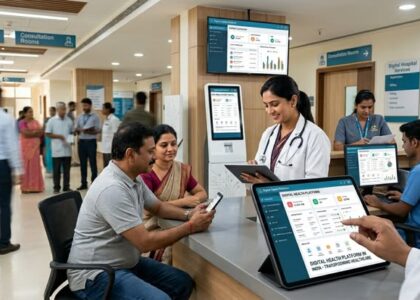


Hospitals are often seen as places where people go for treatment during illness or emergencies. But behind every successful surgery, every newborn’s first cry, and every patient recovery story, there is an entire system working tirelessly around the clock. Hospitals are more than buildings filled with doctors and medical equipment — they are lifelines of society.
Every day, hospitals save countless lives through teamwork, technology, dedication, and compassion. While patients usually interact with doctors and nurses directly, many unseen heroes work behind the scenes to ensure that healthcare runs smoothly and efficiently. From emergency response teams to laboratory technicians, sanitation staff, pharmacists, and administrative workers, every individual plays a vital role in patient care.
This blog takes you behind the scenes to understand how hospitals operate every single day to protect, heal, and save lives.
1. The Emergency Department: The Frontline of Life-Saving Care
The emergency department (ER) is one of the busiest and most critical areas in any hospital. It functions 24/7, ready to handle accidents, heart attacks, strokes, trauma, breathing difficulties, and countless other medical emergencies.
When a patient arrives in critical condition, every second matters. Emergency doctors and nurses quickly assess the patient’s condition through a process called triage. Patients with life-threatening conditions receive immediate care, while others are prioritized based on urgency.
Behind the scenes, emergency teams coordinate rapidly:
- Nurses monitor vital signs
- Doctors diagnose conditions
- Lab technicians process urgent tests
- Radiology teams perform scans and X-rays
- Pharmacists prepare emergency medications
This fast and organized teamwork often becomes the difference between life and death.
2. Doctors: More Than Just Treatment Providers
Doctors are often the face of healthcare, but their work extends far beyond patient consultations.
A hospital doctor’s day may include:
- Reviewing medical reports
- Coordinating with specialists
- Performing surgeries
- Managing ICU patients
- Making emergency decisions
- Counseling families
- Monitoring recovery progress
Specialists from different departments frequently work together to create personalized treatment plans for patients. For example, a cancer patient may need coordination between oncologists, surgeons, radiologists, nutritionists, and psychologists.
Doctors also stay updated with medical advancements, ensuring patients receive modern and evidence-based treatments.
3. Nurses: The Heart of Patient Care
Nurses are among the most essential healthcare professionals in any hospital. They spend the most time with patients and provide both medical and emotional support.
Their responsibilities include:
- Administering medications
- Monitoring patient conditions
- Assisting during procedures
- Managing patient comfort
- Educating patients and families
- Responding to emergencies
Beyond clinical care, nurses provide reassurance during difficult moments. A compassionate conversation or a comforting presence can significantly improve a patient’s emotional well-being.
Hospitals rely heavily on nurses to maintain continuous patient care throughout day and night shifts.
4. Intensive Care Units (ICU): Fighting for Every Breath
The Intensive Care Unit is where hospitals care for critically ill patients who require constant monitoring and advanced medical support.
Patients in the ICU may suffer from:
- Severe infections
- Heart failure
- Major injuries
- Organ failure
- Post-surgical complications
Behind the scenes, ICU teams use advanced technologies such as:
- Ventilators
- Cardiac monitors
- Infusion pumps
- Dialysis machines
ICU doctors and nurses monitor patients continuously, making immediate adjustments whenever conditions change. Even small improvements can represent major victories in critical care.
5. The Role of Medical Technology
Modern hospitals depend heavily on technology to improve diagnosis, treatment, and patient safety.
Advanced medical technologies include:
- MRI and CT scans
- Robotic surgery systems
- Digital patient monitoring
- Electronic medical records
- Telemedicine services
- AI-assisted diagnostics
These technologies help doctors detect diseases earlier, perform safer surgeries, and monitor patients more accurately.
Behind every machine is a trained healthcare professional ensuring accurate results and proper patient care.
6. Laboratories: The Silent Detectives
Hospital laboratories work behind the scenes to diagnose diseases quickly and accurately.
Lab technicians analyze:
- Blood samples
- Urine tests
- Tissue biopsies
- Infection screenings
- Genetic tests
Doctors rely on these reports to make critical treatment decisions. A timely lab result can help diagnose life-threatening conditions such as infections, diabetes, cancer, or internal bleeding.
Despite rarely interacting directly with patients, laboratory professionals are essential life-savers.
7. Surgical Teams: Precision Under Pressure
Operating rooms are highly coordinated environments where every team member has a specific role.
A surgical team typically includes:
- Surgeons
- Anesthesiologists
- Surgical nurses
- Technicians
- Support staff
Before surgery begins, the team carefully checks:
- Patient identity
- Surgical site
- Equipment readiness
- Sterilization standards
During surgery, precise communication and teamwork are critical. Behind successful operations are years of training, preparation, and coordination.
8. Infection Control and Sanitation: Protecting Every Patient
Cleanliness in hospitals is not just about appearance — it is essential for patient safety.
Hospital sanitation teams work constantly to:
- Disinfect patient rooms
- Sterilize equipment
- Prevent infection spread
- Maintain hygiene standards
Infection control specialists also monitor outbreaks and implement strict safety protocols to protect both patients and healthcare workers.
Their work became especially important during global health crises like the COVID-19 pandemic.
9. Pharmacists: Ensuring Safe Medication Use
Hospital pharmacists play a major role in patient treatment.
Their responsibilities include:
- Preparing medications
- Reviewing prescriptions
- Preventing drug interactions
- Managing emergency medicines
- Guiding safe dosage usage
Pharmacists collaborate closely with doctors and nurses to ensure patients receive the correct medicines safely and effectively.
10. Emotional Support and Human Compassion
Healing is not only physical — emotional support matters deeply too.
Hospitals often provide:
- Counseling services
- Mental health support
- Family guidance
- Palliative care
- Rehabilitation programs
Healthcare workers regularly comfort anxious families, encourage recovering patients, and support people during some of the hardest moments of their lives.
Compassion remains one of the strongest medicines in healthcare.
11. Hospital Administration: The Hidden Backbone
Behind every organized hospital is an administrative system ensuring everything runs smoothly.
Administrative teams manage:
- Patient records
- Appointment scheduling
- Staffing coordination
- Insurance processing
- Medical supply management
- Emergency preparedness
Without proper management, even the best medical teams would struggle to function efficiently.
12. Teamwork: The Real Secret Behind Saving Lives
No single doctor or nurse saves lives alone. Hospitals succeed because of teamwork.
Every department works together:
- Emergency care
- Diagnostics
- Surgery
- ICU
- Pharmacy
- Housekeeping
- Administration
A patient’s recovery often depends on hundreds of coordinated actions performed by multiple professionals.
Hospitals are living systems powered by collaboration, dedication, and trust.
Challenges Hospitals Face Every Day
Despite their life-saving role, hospitals face many daily challenges:
- Overcrowding
- Staff shortages
- Emergency pressure
- Emotional burnout
- Rising healthcare costs
- Managing infectious diseases
Healthcare professionals often work long hours under stressful conditions while continuing to provide compassionate care.
Their resilience and commitment deserve recognition and respect.
The Importance of Trust in Healthcare
Patients place immense trust in hospitals during vulnerable moments. Building this trust requires:
- Transparency
- Ethical medical practices
- Patient safety
- Compassionate communication
- Quality treatment
Hospitals continuously strive to improve healthcare standards and patient experiences.
Conclusion
Behind every hospital door is a world of dedication, teamwork, and sacrifice. From emergency responders and surgeons to nurses, technicians, pharmacists, sanitation workers, and administrators, countless professionals work together every day to save lives.
Hospitals are not only centers of treatment — they are symbols of hope, resilience, and humanity. Every recovered patient, every successful surgery, and every life saved represents the collective effort of people committed to caring for others.
The next time you visit a hospital, remember that behind the scenes, an entire team is working tirelessly to protect and heal the community every single day.