

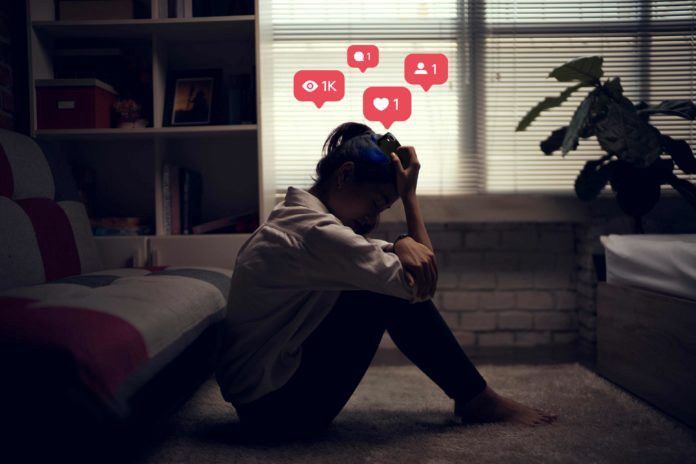
In today’s digital world, social media has become a major part of everyday life. Platforms like Instagram, Facebook, YouTube, TikTok, and X allow people to connect, share experiences, learn new things, and stay updated with current events. While social media offers many benefits, excessive or unhealthy use can significantly affect mental health.
From anxiety and depression to low self-esteem and sleep disorders, the impact of social media on emotional well-being has become a growing concern, especially among teenagers and young adults. Understanding both the positive and negative effects of social media is important for maintaining a healthy balance in life.
The Positive Effects of Social Media on Mental Health
Social media is not entirely harmful. When used wisely, it can positively influence mental and emotional well-being.
1. Better Communication & Connectivity
Social media helps people stay connected with friends, family, and communities regardless of distance. This is especially helpful for people who live alone or far from loved ones.
Benefits:
- Reduces feelings of loneliness
- Helps maintain relationships
- Encourages emotional support
Online communities often provide comfort to people facing similar struggles, such as stress, grief, or chronic illness.
2. Access to Mental Health Awareness
Many mental health professionals and organizations now use social media to spread awareness about anxiety, depression, stress management, and emotional wellness.
Positive Impact:
- Encourages open conversations about mental health
- Reduces social stigma
- Motivates people to seek professional help
Educational content, motivational videos, and self-care tips can inspire healthier habits and emotional resilience.
3. Platform for Creativity & Self-Expression
Social media allows users to express themselves through photos, videos, writing, art, and music. Creative expression can improve confidence and emotional well-being.
Examples:
- Sharing photography or artwork
- Posting personal achievements
- Creating educational or entertaining content
For many individuals, social media becomes a source of inspiration and motivation.
Negative Effects of Social Media on Mental Health
Despite its advantages, excessive social media use can negatively affect mental health in several ways.
1. Anxiety and Depression
Research suggests that spending too much time on social media may increase feelings of anxiety and depression.
Why It Happens:
- Constant comparison with others
- Fear of missing out (FOMO)
- Pressure to appear perfect online
- Exposure to negative news or toxic content
Seeing carefully edited lifestyles and achievements can make people feel insecure or dissatisfied with their own lives.
2. Low Self-Esteem & Body Image Issues
Social media often promotes unrealistic beauty standards and lifestyles. Filters, editing apps, and curated content may create false expectations.
Common Effects:
- Poor body image
- Low confidence
- Eating disorders
- Obsession with appearance
Teenagers and young adults are especially vulnerable to these pressures.
3. Social Media Addiction
Many people become emotionally dependent on likes, comments, and notifications. Excessive scrolling can reduce productivity and increase emotional stress.
Signs of Social Media Addiction:
- Checking phone constantly
- Feeling anxious without internet access
- Spending hours scrolling mindlessly
- Ignoring real-life responsibilities
Addiction can interfere with work, studies, relationships, and sleep.
4. Sleep Problems
Using social media late at night can disturb sleep quality. Blue light from screens affects melatonin production, making it harder to fall asleep.
Consequences of Poor Sleep:
- Fatigue
- Mood swings
- Reduced concentration
- Increased stress levels
Lack of proper sleep can worsen anxiety and depression over time.
5. Cyberbullying & Online Harassment
Cyberbullying has become a serious issue in the digital era. Hurtful comments, online trolling, and harassment can severely affect emotional health.
Mental Health Impact:
- Stress and fear
- Social withdrawal
- Depression
- Suicidal thoughts in severe cases
Young users are particularly at risk of emotional trauma from online bullying.
How Social Media Affects Teenagers
Teenagers spend a significant amount of time online, making them more vulnerable to social media-related mental health problems.
Teenagers May Experience:
- Peer pressure
- Academic distraction
- Emotional instability
- Reduced face-to-face communication skills
At the same time, social media can also help teenagers build communities, learn new skills, and express themselves creatively when used responsibly.
Parental guidance and digital awareness play an important role in protecting young minds.
Tips to Use Social Media in a Healthy Way
Maintaining balance is essential for protecting mental health while enjoying the benefits of social media.
Healthy Social Media Habits
1. Limit Screen Time
Set daily time limits for social media usage.
2. Avoid Comparing Yourself to Others
Remember that social media often shows only the “highlight reel” of people’s lives.
3. Follow Positive Content
Choose accounts that inspire, educate, and motivate rather than create negativity.
4. Take Regular Digital Breaks
Spending time offline helps refresh the mind and reduce stress.
5. Prioritize Real-Life Relationships
Face-to-face conversations and social activities improve emotional health.
6. Avoid Using Phones Before Bed
Reduce screen exposure at night to improve sleep quality.
7. Seek Help When Needed
If social media is affecting mental health seriously, consulting a mental health professional can help.
Role of Parents & Society
Parents, teachers, and communities should educate young people about responsible social media use.
Important Steps:
- Encourage open communication
- Monitor unhealthy online behavior
- Teach digital awareness
- Promote outdoor activities and hobbies
Creating a healthy online culture can reduce the harmful impact of social media on mental well-being.
Conclusion
Social media is a powerful tool that can both positively and negatively affect mental health. While it helps people connect, learn, and express themselves, excessive or unhealthy use may lead to anxiety, depression, low self-esteem, addiction, and sleep problems.
The key lies in balanced and mindful usage. By setting healthy boundaries, limiting screen time, and focusing on real-life well-being, individuals can enjoy the benefits of social media without harming their mental health.
In a fast-moving digital world, protecting mental health is just as important as staying connected online.