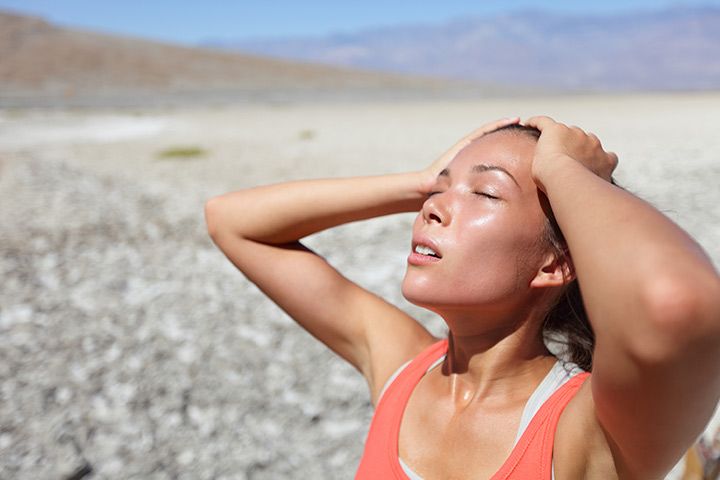
Summer brings sunshine, vacations, outdoor fun, and longer days—but it also increases the risk of dehydration. As temperatures rise, the body loses more water through sweating, making it easier to become dehydrated without even realizing it. Dehydration can affect people of all ages, from children and working adults to elderly individuals. If ignored, it may lead to serious health complications such as heat exhaustion, kidney problems, low blood pressure, or even heatstroke.
Understanding the warning signs of dehydration is essential to protect yourself and your family during hot weather.
What Is Dehydration?
Dehydration happens when the body loses more fluids than it takes in. Water is essential for maintaining body temperature, supporting digestion, transporting nutrients, lubricating joints, and helping organs function properly. During summer, excessive sweating can quickly reduce the body’s water levels, especially if fluids are not replaced regularly.
Even mild dehydration can affect energy levels, concentration, and physical performance.
Why Dehydration Is More Common in Summer
Hot and humid weather causes the body to sweat more in order to cool itself down. Along with water, the body also loses important minerals like sodium and potassium. Several factors can increase dehydration risk during summer:
- Prolonged exposure to sunlight
- Outdoor work or exercise
- Not drinking enough water
- Excessive sweating
- Fever, vomiting, or diarrhea
- Consumption of alcohol or caffeinated drinks
- Wearing heavy or tight clothing
Children and older adults are especially vulnerable because their bodies may not regulate temperature efficiently.
Common Warning Signs of Summer Dehydration
Recognizing dehydration early can prevent serious complications. Here are the most important warning signs to watch for:
1. Excessive Thirst
Thirst is often the first signal that your body needs water. However, waiting until you feel extremely thirsty may already mean mild dehydration has started.
If you constantly feel thirsty during summer, increase your water intake immediately.
2. Dry Mouth and Chapped Lips
A dry or sticky mouth, cracked lips, and reduced saliva are common signs of dehydration. The body reduces saliva production when fluid levels drop.
You may also notice:
- Bad breath
- Difficulty swallowing
- Dry tongue
3. Dark Yellow Urine
Urine color is one of the easiest ways to check hydration levels.
- Light yellow or clear urine usually means proper hydration
- Dark yellow or amber-colored urine may indicate dehydration
Reduced urination or going several hours without urinating can also be a warning sign.
4. Fatigue and Weakness
Dehydration reduces blood circulation and oxygen supply to muscles, leading to tiredness and low energy.
You may experience:
- Muscle weakness
- Lack of stamina
- Difficulty concentrating
- Feeling exhausted even after rest
This is common during intense summer heat or outdoor activities.
5. Dizziness or Headache
When the body lacks fluids, blood pressure may drop, reducing blood flow to the brain. This can cause:
- Headaches
- Lightheadedness
- Dizziness
- Fainting sensation
These symptoms often worsen when standing up suddenly or spending long hours in the sun.
6. Dry Skin and Reduced Sweating
Although sweating increases in summer, severe dehydration can actually reduce sweating because the body lacks enough fluids.
Signs may include:
- Dry or flaky skin
- Skin feeling less elastic
- Overheated body with little sweat production
This can be dangerous and may indicate progressing heat-related illness.
7. Rapid Heartbeat and Fast Breathing
When dehydrated, the heart works harder to circulate blood throughout the body. This may cause:
- Increased heart rate
- Palpitations
- Rapid breathing
- Feeling anxious or restless
Medical attention may be needed if symptoms become severe.
8. Muscle Cramps
Loss of electrolytes through sweating can trigger painful muscle cramps, especially in the legs, arms, or abdomen.
Athletes, outdoor workers, and people exercising in hot weather are at higher risk.
9. Confusion or Irritability
Severe dehydration can affect brain function. Symptoms may include:
- Confusion
- Irritability
- Poor concentration
- Mood changes
- Difficulty staying alert
In elderly individuals, dehydration may sometimes appear as sudden confusion or unusual behavior.
10. Sunken Eyes and Dry Appearance
In more serious cases, dehydration may cause:
- Sunken eyes
- Pale skin
- Extreme dryness
- Weak pulse
These signs require immediate medical care.
Who Is Most at Risk?
Certain groups are more likely to develop dehydration during summer:
Children
Children lose fluids quickly and may forget to drink water while playing.
Elderly People
Older adults may not feel thirsty even when dehydrated.
Outdoor Workers
People working under direct sunlight lose large amounts of water through sweat.
Athletes
Heavy exercise in hot weather increases fluid and electrolyte loss.
People With Chronic Illness
Conditions like diabetes, kidney disease, or fever can increase dehydration risk.
How to Prevent Summer Dehydration
Preventing dehydration is easier than treating it. Follow these simple summer health tips:
Drink Water Regularly
Do not wait until you feel thirsty. Drink water throughout the day.
Eat Hydrating Foods
Include:
- Watermelon
- Cucumber
- Coconut water
- Oranges
- Tomatoes
- Strawberries
Avoid Excessive Sun Exposure
Stay indoors during peak afternoon heat whenever possible.
Wear Lightweight Clothing
Choose loose, breathable cotton clothes to reduce sweating.
Replace Electrolytes
During heavy sweating, use oral rehydration solutions or electrolyte-rich drinks when needed.
Limit Alcohol and Caffeine
These drinks may increase fluid loss.
Carry a Water Bottle
Keeping water nearby encourages regular hydration.
When to Seek Medical Attention
Consult a healthcare professional immediately if dehydration causes:
- Persistent vomiting
- High fever
- Fainting
- Severe weakness
- Confusion
- Rapid heartbeat
- Difficulty breathing
- No urination for many hours
Severe dehydration can become life-threatening if untreated.
Final Thoughts
Summer dehydration is common but often overlooked. The body gives several warning signs before the condition becomes serious, including thirst, dark urine, fatigue, dizziness, muscle cramps, and confusion. Paying attention to these symptoms and staying properly hydrated can help prevent dangerous heat-related illnesses.
Simple habits like drinking enough water, eating hydrating foods, avoiding extreme heat, and recognizing early symptoms can protect your health throughout the summer season.
Staying hydrated is not just about comfort—it is essential for maintaining energy, protecting organs, and keeping the body functioning properly during hot weather.