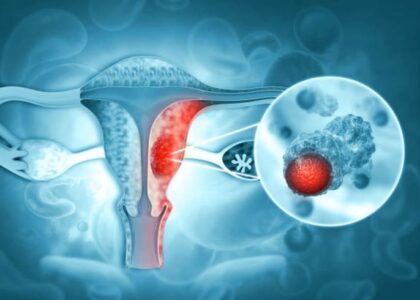

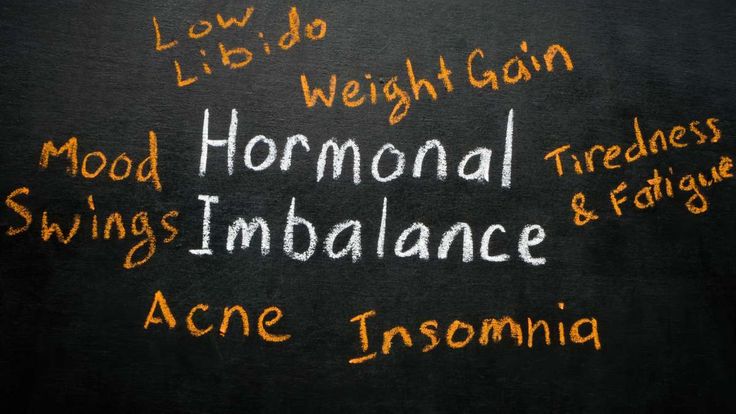
Hormones play a vital role in maintaining a woman’s overall health and well-being. These chemical messengers control many important functions in the body, including metabolism, mood, reproductive health, sleep, energy levels, and weight management. Even a small imbalance in hormones can affect physical and emotional health significantly.
Hormonal imbalance is becoming increasingly common among women of all age groups due to changing lifestyles, stress, unhealthy eating habits, and various medical conditions. Understanding the common causes of hormonal imbalance can help women take preventive measures and seek timely medical care.
What is Hormonal Imbalance?
Hormonal imbalance occurs when there is too much or too little of a particular hormone in the bloodstream. Since hormones work together in a delicate system, any disruption can lead to various health problems.
Common hormones involved in women’s health include:
- Estrogen
- Progesterone
- Testosterone
- Thyroid hormones
- Insulin
- Cortisol
When these hormones are not balanced properly, women may experience symptoms like irregular periods, acne, hair fall, mood swings, fatigue, weight gain, infertility, or sleep disturbances.
Common Causes of Hormonal Imbalance in Women
1. Stress and Mental Health Issues
Chronic stress is one of the leading causes of hormonal imbalance. When the body experiences stress, it produces higher levels of cortisol, known as the “stress hormone.”
Excess cortisol can interfere with other hormones, including estrogen and progesterone, causing symptoms such as:
- Irregular menstrual cycles
- Anxiety and depression
- Sleep problems
- Weight gain
- Fatigue
Modern lifestyles, work pressure, relationship problems, and lack of rest often contribute to long-term stress in women.
How to Manage:
- Practice yoga and meditation
- Maintain proper sleep
- Take regular breaks
- Exercise regularly
- Seek emotional support when needed
2. Poor Diet and Unhealthy Eating Habits
Nutrition directly affects hormone production. Diets high in processed foods, sugar, unhealthy fats, and soft drinks can disrupt hormonal balance.
Skipping meals, crash dieting, or excessive junk food intake may affect insulin levels and reproductive hormones.
Foods that may worsen hormonal imbalance:
- Refined sugar
- Fried foods
- Processed snacks
- Excess caffeine
- Sugary beverages
Healthy dietary habits include:
- Eating fresh fruits and vegetables
- Including protein-rich foods
- Drinking enough water
- Consuming healthy fats
- Maintaining balanced meals
A healthy diet supports proper hormone function and overall wellness.
3. Polycystic Ovary Syndrome (PCOS)
Polycystic Ovary Syndrome is one of the most common hormonal disorders affecting women of reproductive age.
PCOS occurs when the ovaries produce excess androgens (male hormones), leading to hormonal imbalance.
Common symptoms of PCOS:
- Irregular periods
- Excess facial hair
- Acne
- Weight gain
- Difficulty conceiving
- Hair thinning
The exact cause of PCOS is not fully understood, but genetics, insulin resistance, and lifestyle factors may contribute.
Management includes:
- Weight management
- Regular exercise
- Healthy diet
- Medical treatment
- Stress reduction
4. Thyroid Disorders
The thyroid gland produces hormones that regulate metabolism and energy levels. Both underactive and overactive thyroid conditions can affect hormonal balance.
Common thyroid disorders:
- Hypothyroidism
- Hyperthyroidism
Symptoms may include:
- Fatigue
- Weight changes
- Hair fall
- Mood swings
- Irregular periods
- Dry skin
Women are more likely than men to develop thyroid problems, especially during pregnancy or menopause.
5. Lack of Sleep
Poor sleep quality or insufficient sleep can disturb hormone production. Sleep is essential for regulating cortisol, insulin, and reproductive hormones.
Women who regularly sleep less than 6–7 hours may experience:
- Increased stress hormones
- Mood changes
- Weight gain
- Irregular menstrual cycles
- Low energy levels
Tips for better sleep:
- Maintain a fixed sleep schedule
- Avoid screen time before bed
- Reduce caffeine intake at night
- Create a relaxing bedtime routine
6. Excessive Weight Gain or Obesity
Body fat influences hormone levels, especially estrogen and insulin. Obesity can lead to insulin resistance, increasing the risk of hormonal disorders such as PCOS and diabetes.
Excess weight may cause:
- Irregular periods
- Fertility issues
- Increased inflammation
- Mood disturbances
Maintaining a healthy weight through balanced nutrition and physical activity can help regulate hormones naturally.
7. Diabetes and Insulin Resistance
Type 2 Diabetes and insulin resistance can significantly affect hormone balance.
Insulin helps regulate blood sugar levels. When the body becomes resistant to insulin, hormone levels may become disrupted.
Symptoms may include:
- Fatigue
- Increased hunger
- Weight gain
- Dark patches on skin
- Irregular menstruation
Healthy eating, exercise, and proper medical care are important for managing insulin-related hormonal issues.
8. Menopause and Aging
Hormonal changes naturally occur as women age. During menopause, estrogen and progesterone levels decline significantly.
Menopause commonly causes:
- Hot flashes
- Night sweats
- Mood swings
- Sleep disturbances
- Vaginal dryness
- Weight changes
Perimenopause, the phase before menopause, may also cause hormonal fluctuations.
Regular health checkups and lifestyle modifications can help women manage menopausal symptoms effectively.
9. Birth Control Medications
Hormonal contraceptives can sometimes affect the body’s natural hormone levels. While birth control pills help regulate periods and prevent pregnancy, some women may experience side effects such as:
- Mood changes
- Weight fluctuations
- Headaches
- Breast tenderness
- Irregular bleeding
It is important to consult a healthcare professional before starting or changing contraceptive methods.
10. Excessive Exercise
Regular exercise is healthy, but overtraining without proper nutrition and rest can negatively affect hormones.
Intense physical activity may lower estrogen levels and disturb menstrual cycles, especially in athletes or women following extreme fitness routines.
Balance is important:
- Include rest days
- Eat nutritious meals
- Avoid excessive calorie restriction
- Listen to your body
Symptoms of Hormonal Imbalance
Women with hormonal imbalance may experience:
- Irregular periods
- Acne and skin problems
- Hair loss
- Mood swings
- Weight gain or loss
- Fatigue
- Difficulty sleeping
- Low libido
- Fertility problems
- Headaches
Symptoms can vary depending on which hormones are affected.
When to See a Doctor
Women should seek medical advice if symptoms persist or interfere with daily life. Early diagnosis can help prevent complications and improve quality of life.
Doctors may recommend:
- Blood tests
- Thyroid function tests
- Ultrasound scans
- Hormone level assessments
Proper treatment depends on the underlying cause.
Tips to Maintain Hormonal Balance Naturally
Healthy Lifestyle Habits
- Eat a balanced diet
- Stay physically active
- Manage stress effectively
- Sleep adequately
- Maintain a healthy weight
- Stay hydrated
- Avoid smoking and excessive alcohol
Regular Health Checkups
Routine medical checkups help detect hormonal problems early and ensure timely treatment.
Conclusion
Hormonal imbalance in women can occur due to multiple reasons, including stress, poor diet, thyroid disorders, PCOS, obesity, menopause, and unhealthy lifestyle habits. While hormonal fluctuations are common, persistent symptoms should never be ignored.
Understanding the causes and adopting healthy lifestyle habits can help women maintain hormonal balance and improve their overall health. Early diagnosis and proper medical guidance play a key role in preventing long-term complications and ensuring a healthier, happier life.