

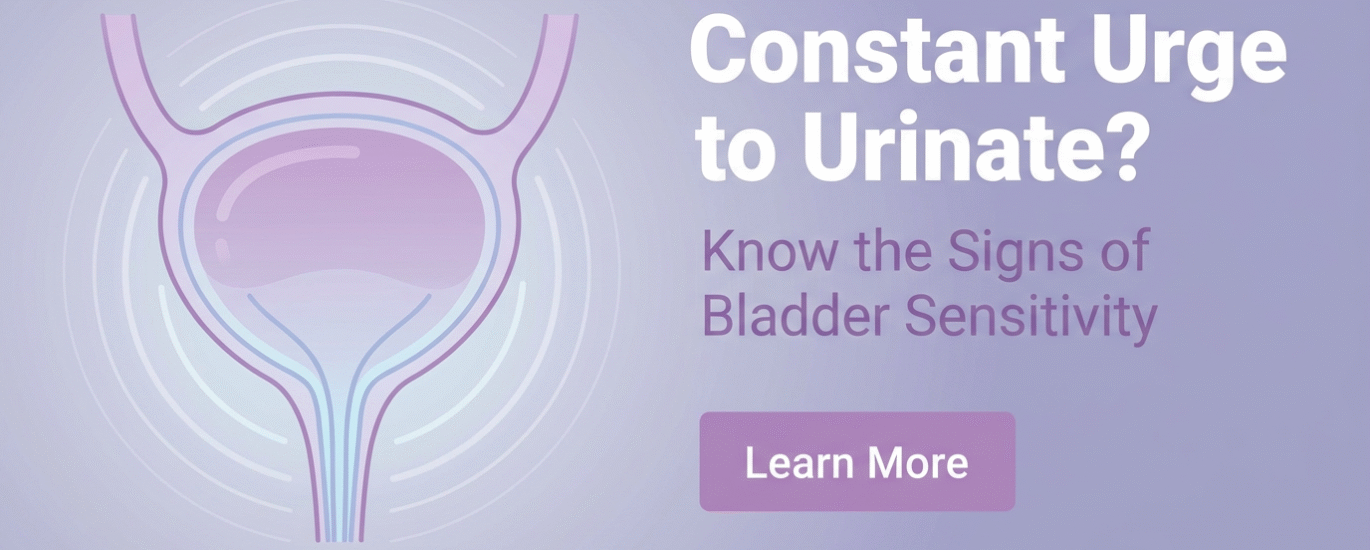
Do you often feel the need to rush to the bathroom, even after urinating just a short while ago? Frequent urination and sudden urges can interrupt work, disturb sleep, and affect confidence in daily life. While occasional changes in urination are normal, persistent symptoms may indicate bladder sensitivity or an underlying urinary condition.
Understanding the warning signs early can help you seek timely care and improve your quality of life.
What Is Bladder Sensitivity?
Bladder sensitivity refers to a condition where the bladder becomes overly reactive, causing frequent urges to urinate even when the bladder is not full. This may happen due to irritation, infection, nerve-related issues, or an overactive bladder.
People with bladder sensitivity may feel discomfort, urgency, or pressure that interferes with normal routines.
Common Signs of Bladder Sensitivity
1. Frequent Urination
Needing to urinate more often than usual—especially every hour or two—can be a key sign. It may disrupt work, travel, and social activities.
2. Sudden Strong Urges
A sudden, difficult-to-control urge to urinate can feel overwhelming and stressful, especially in public places.
3. Night-Time Urination (Nocturia)
Waking up multiple times at night to urinate can disturb sleep and lead to daytime fatigue.
4. Burning or Discomfort
Some people experience mild burning, pressure, or discomfort in the bladder area.
5. Fear of Traveling or Going Out
Constant worry about finding nearby washrooms may reduce confidence and affect social life.
Possible Causes
Bladder sensitivity can develop for several reasons, including:
- Urinary tract infections (UTIs)
- Overactive bladder
- Excess caffeine or spicy foods
- Stress and anxiety
- Diabetes
- Bladder inflammation
- Prostate-related issues in men
- Weak pelvic floor muscles
Identifying the exact cause is important for proper treatment.
How It Affects Daily Life
Frequent urination may seem minor at first, but over time it can affect:
- Sleep quality
- Office productivity
- Long-distance travel
- Exercise routines
- Confidence in social situations
- Emotional well-being
Many people silently adjust their lives around bathroom access without realizing treatment options are available.
Tips to Reduce Bladder Irritation
Here are some simple habits that may help:
- Reduce caffeine and carbonated drinks
- Stay hydrated, but avoid excessive fluid intake
- Avoid holding urine for too long
- Practice pelvic floor exercises
- Maintain a healthy weight
- Manage stress levels
Lifestyle changes can often improve symptoms significantly.
When Should You See a Doctor?
Consult a healthcare professional if you experience:
- Frequent urination lasting several days
- Pain or burning while urinating
- Blood in urine
- Leakage or loss of bladder control
- Severe night-time urination
- Fever or lower abdominal pain
Early diagnosis can prevent complications and improve comfort.
Final Thoughts
A constant urge to urinate should not be ignored. Bladder sensitivity can affect both physical comfort and mental well-being, but proper medical care and lifestyle adjustments can help manage symptoms effectively.
If frequent bathroom trips are interfering with your routine, consider speaking with a urologist for expert guidance and personalized treatment.