
Accidents and medical emergencies can happen anytime, anywhere—at home, at work, on the road, or during travel. In those critical first few minutes before professional medical help arrives, basic first aid knowledge can make a huge difference. Knowing how to respond calmly and correctly can help prevent complications, reduce pain, and even save lives.
First aid is the immediate care given to someone who is injured or suddenly becomes ill. It does not replace professional medical treatment, but it provides temporary support until proper care is available. Every individual, regardless of age or profession, should learn essential first aid skills because emergencies often occur unexpectedly.
This blog covers important first aid tips everyone should know, along with simple steps to handle common emergencies safely and effectively.
Why First Aid Knowledge Is Important
Learning first aid offers several benefits:
- Helps save lives during emergencies
- Prevents minor injuries from becoming serious
- Reduces recovery time
- Gives confidence during critical situations
- Promotes safety awareness at home and workplace
Even simple actions such as stopping bleeding, performing CPR, or helping someone who is choking can make a major impact.
Essential First Aid Tips Everyone Should Learn
1. Stay Calm and Assess the Situation
The first rule of first aid is to remain calm. Panic can make the situation worse.
Before helping:
- Check if the area is safe
- Avoid putting yourself in danger
- Assess the injured person’s condition
- Call emergency services if needed
Quick thinking and calm behavior help provide better care.
2. Learn CPR (Cardiopulmonary Resuscitation)
CPR is one of the most important life-saving techniques. It is used when a person stops breathing or their heart stops beating.
Basic CPR Steps
- Check responsiveness
- Call emergency medical help immediately
- Place the person on a flat surface
- Begin chest compressions:
- Push hard and fast in the center of the chest
- Around 100–120 compressions per minute
- Give rescue breaths if trained
CPR can help maintain blood flow to the brain and organs until medical professionals arrive.
3. How to Help a Choking Person
Choking blocks airflow and can become life-threatening within minutes.
Signs of Choking
- Inability to speak
- Difficulty breathing
- Holding the throat
- Blue lips or face
First Aid for Choking
- Encourage coughing if the person can still breathe
- Give 5 back blows between the shoulder blades
- Perform abdominal thrusts (Heimlich maneuver) if necessary
For infants, special techniques should be used carefully.
4. Treating Cuts and Bleeding
Minor cuts are common, but severe bleeding requires immediate attention.
What to Do
- Wash your hands if possible
- Apply direct pressure using a clean cloth or bandage
- Elevate the injured area if appropriate
- Clean minor wounds with clean water
- Cover with a sterile dressing
Seek Medical Help If
- Bleeding does not stop
- The wound is deep
- There is heavy blood loss
5. First Aid for Burns
Burns can happen from heat, electricity, chemicals, or hot liquids.
Immediate Steps
- Cool the burn under running cool water for 10–20 minutes
- Remove tight items like rings or watches
- Cover with a clean, non-stick dressing
Avoid
- Applying ice directly
- Using toothpaste, butter, or oils
- Breaking blisters
Severe burns require urgent medical care.
6. Managing Fractures and Sprains
Broken bones and sprains should be handled carefully to avoid further injury.
First Aid Tips
- Keep the injured area still
- Apply an ice pack wrapped in cloth
- Use a splint if trained
- Elevate the limb when possible
Do not try to straighten broken bones yourself.
7. Handling Nosebleeds
Nosebleeds are usually not serious but can be frightening.
What to Do
- Sit upright and lean slightly forward
- Pinch the soft part of the nose
- Hold for 10–15 minutes
- Breathe through the mouth
Avoid tilting the head backward, as blood may flow into the throat.
8. First Aid for Fainting
Fainting may occur due to dehydration, low blood pressure, stress, or heat.
Immediate Care
- Lay the person flat
- Raise their legs slightly
- Loosen tight clothing
- Ensure fresh air
If the person does not regain consciousness quickly, seek medical attention.
9. Responding to Heatstroke and Heat Exhaustion
Hot weather and dehydration can lead to dangerous heat-related illnesses.
Symptoms
- Dizziness
- Heavy sweating
- Weakness
- High body temperature
- Confusion
First Aid
- Move the person to a cool place
- Offer water if conscious
- Apply cool cloths
- Fan the person gently
Heatstroke is a medical emergency and requires urgent treatment.
10. Recognizing a Heart Attack
Quick action during a heart attack can save lives.
Warning Signs
- Chest pain or pressure
- Shortness of breath
- Pain in arm, jaw, or back
- Sweating and nausea
What to Do
- Call emergency services immediately
- Keep the person calm
- Help them sit comfortably
- Give prescribed medication if available
Never ignore chest pain symptoms.
11. Handling Seizures Safely
Seizures can look frightening, but proper care helps prevent injury.
Important Steps
- Move dangerous objects away
- Place something soft under the head
- Turn the person onto their side after the seizure
- Stay with them until fully awake
Never
- Put anything in their mouth
- Hold them down forcefully
12. First Aid for Poisoning
Poisoning can occur from medicines, chemicals, food, or toxic substances.
What to Do
- Stay calm
- Identify the poison if possible
- Call emergency services or poison control
- Follow professional instructions carefully
Do not force vomiting unless instructed by medical professionals.
13. Treating Insect Bites and Stings
Most insect bites are mild, but some can cause allergic reactions.
First Aid
- Wash the area
- Apply a cold compress
- Remove stingers carefully
- Watch for swelling or breathing difficulty
Severe allergic reactions require emergency care immediately.
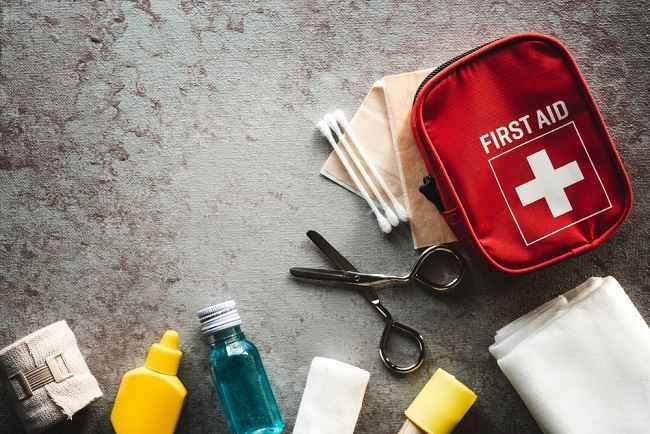
14. Keep a Well-Stocked First Aid Kit
Every home, office, school, and vehicle should have a basic first aid kit.
Essential Items Include
- Adhesive bandages
- Sterile gauze
- Antiseptic solution
- Cotton and tape
- Pain relievers
- Gloves
- Thermometer
- Scissors
- Burn ointment
Regularly check expiry dates and restock supplies.
Important First Aid Safety Rules
- Always wash hands before and after providing care
- Use gloves when handling blood
- Do not give food or drink to unconscious persons
- Avoid moving seriously injured people unless necessary
- Seek professional medical help for severe injuries
Teaching First Aid to Family Members
Basic first aid training should be encouraged for:
- Parents
- Teachers
- Students
- Caregivers
- Office workers
Children can also learn simple safety and emergency response skills appropriate for their age.
Conclusion
First aid is a valuable life skill that everyone should learn. Emergencies can happen without warning, and knowing how to respond quickly and correctly can protect lives and reduce suffering. Simple actions such as controlling bleeding, performing CPR, or helping a choking person can make a critical difference before medical professionals arrive.
Investing time in learning first aid not only improves personal safety but also helps create safer homes, workplaces, and communities. Consider attending a certified first aid training program to gain practical experience and confidence in handling emergencies effectively.