How Modern Hospitals Improve Patient Care

Healthcare has changed dramatically over the last few decades. Modern hospitals are no longer just places where patients receive treatment during illness—they have evolved into advanced healthcare centers focused on prevention, diagnosis, treatment, recovery, and overall patient well-being. With the integration of cutting-edge technology, highly trained medical professionals, patient-centered services, and improved healthcare systems, modern hospitals are transforming the way patient care is delivered. Today’s hospitals prioritize not only medical treatment but also comfort, safety, convenience, and emotional support. From digital medical records to robotic surgeries, modern healthcare facilities are improving outcomes while making the patient experience smoother and more efficient. This article explores how modern hospitals improve patient care and why these advancements are essential for better healthcare delivery. Advanced Medical Technology One of the biggest improvements in modern hospitals is the use of advanced medical technology. Innovative equipment and digital systems help doctors diagnose diseases earlier and treat patients more effectively. 1. Faster and Accurate Diagnosis Modern hospitals use advanced diagnostic tools such as: MRI scans CT scans Digital X-rays Ultrasound imaging Laboratory automation systems These technologies allow doctors to identify medical conditions quickly and accurately. Early diagnosis often leads to faster treatment and better recovery outcomes. For example, detecting heart disease or cancer at an early stage significantly increases the chances of successful treatment. 2. Minimally Invasive Surgeries Modern surgical techniques, including laparoscopic and robotic-assisted surgeries, have improved patient care greatly. Benefits include: Smaller cuts and less pain Reduced blood loss Faster recovery Lower risk of infection Shorter hospital stays Patients can often return to normal activities much sooner compared to traditional surgical procedures. 3. Telemedicine and Virtual Consultations Many hospitals now offer telemedicine services, allowing patients to consult doctors remotely through video calls or mobile applications. This improves patient care by: Reducing travel time Helping patients in remote areas Providing faster medical advice Supporting follow-up care from home Telemedicine became especially important during global health emergencies and continues to make healthcare more accessible. Patient-Centered Care Modern hospitals focus heavily on patient-centered care, which means placing patients’ needs, comfort, and preferences at the center of healthcare decisions. 1. Better Communication Doctors and healthcare staff now emphasize clear communication with patients and families. Patients are encouraged to ask questions and understand their treatment plans. Good communication helps: Reduce anxiety Improve trust Increase treatment adherence Enhance patient satisfaction 2. Personalized Treatment Plans Every patient is different. Modern hospitals create personalized care plans based on: Medical history Age Lifestyle Existing conditions Individual health goals This customized approach leads to more effective treatment and better health outcomes. 3. Emotional and Mental Support Modern healthcare recognizes the importance of mental and emotional well-being. Many hospitals now provide: Counseling services Mental health support Stress management programs Rehabilitation services Supporting emotional health can improve recovery and overall quality of life. Improved Patient Safety Patient safety is a major priority in modern hospitals. Hospitals follow strict safety protocols to reduce medical errors and infections. 1. Electronic Medical Records (EMR) Digital medical records help doctors and nurses access patient information instantly. This reduces the risk of: Medication errors Duplicate tests Incorrect treatments Electronic records also improve coordination between departments. 2. Infection Control Measures Modern hospitals maintain high hygiene standards through: Sterilization systems Hand hygiene protocols Isolation units Advanced cleaning procedures These measures reduce hospital-acquired infections and protect both patients and healthcare workers. 3. Smart Monitoring Systems Many hospitals use monitoring systems that track: Heart rate Blood pressure Oxygen levels Breathing patterns Alerts notify healthcare staff immediately if a patient’s condition changes, allowing faster medical intervention. Skilled Healthcare Professionals Technology alone cannot improve healthcare without skilled professionals. Modern hospitals invest heavily in staff training and medical education. 1. Specialized Doctors and Nurses Patients now have access to specialists in areas such as: Cardiology Neurology Orthopedics Oncology Pediatrics Specialized care improves diagnosis accuracy and treatment quality. 2. Continuous Training Healthcare workers regularly update their knowledge through: Workshops Medical conferences Simulation training Online learning programs This ensures patients receive care based on the latest medical advancements. 3. Team-Based Care Modern hospitals encourage collaboration among: Doctors Nurses Pharmacists Therapists Nutritionists Teamwork helps provide comprehensive and coordinated care for patients. Better Emergency and Critical Care Services Modern hospitals have advanced emergency departments capable of handling critical situations quickly and efficiently. Key Improvements Include: 24/7 emergency services Advanced ambulances Trauma centers Intensive Care Units (ICUs) Rapid response teams Quick emergency care can save lives during heart attacks, strokes, accidents, and other medical emergencies. Comfortable Hospital Environment The physical environment of a hospital also affects patient recovery. Modern hospitals are designed to create a more comfortable and healing atmosphere. Features Often Include: Clean and spacious rooms Comfortable beds Better ventilation Natural lighting Reduced noise levels Family waiting areas A calm environment helps reduce stress and supports faster recovery. Digital Healthcare Services Digital healthcare systems have made hospital services more convenient for patients. 1. Online Appointment Booking Patients can easily schedule appointments through websites or mobile apps without long waiting times. 2. Digital Reports and Prescriptions Medical reports and prescriptions are often available online, making healthcare more organized and accessible. 3. Automated Billing Systems Modern billing systems improve transparency and reduce administrative delays. Focus on Preventive Healthcare Modern hospitals are not only focused on treating illness but also on preventing disease. Preventive Services Include: Health screenings Vaccination programs Wellness checkups Lifestyle counseling Nutrition guidance Preventive healthcare helps detect health issues early and encourages healthier lifestyles. Role of Artificial Intelligence and Data Analytics Artificial Intelligence (AI) is increasingly helping hospitals improve patient care. AI Applications Include: Predicting disease risks Assisting in medical imaging Supporting clinical decisions Monitoring patient recovery Data analytics also helps hospitals improve efficiency and patient outcomes by analyzing healthcare trends and treatment effectiveness. Benefits of Modern Hospitals for Patients Modern hospitals provide several important benefits, including: Faster diagnosis and treatment Improved patient safety Better recovery outcomes Reduced hospital stays More personalized healthcare Easier access to medical services Higher patient satisfaction These improvements ultimately lead to better quality healthcare for individuals and communities. Challenges Modern Hospitals Still Face Despite major advancements, modern hospitals still face challenges such as: Rising healthcare costs Staff shortages Overcrowding Technology maintenance Data privacy concerns Hospitals must continue adapting and improving to meet growing healthcare demands. Conclusion Modern hospitals have significantly transformed patient care through advanced technology, skilled professionals, patient-centered services, and improved safety measures. Today’s healthcare systems focus not only on treating diseases but also on enhancing the overall patient experience. From faster diagnosis and minimally invasive surgeries to digital healthcare services and preventive care, modern hospitals are making healthcare more efficient, accessible, and effective. As medical science and technology continue to evolve, hospitals will play an even greater role in improving the health and well-being of people around the world. Investing in modern healthcare infrastructure and quality patient care remains essential for building healthier communities and ensuring better medical outcomes for future generations.


Healthcare has changed dramatically over the last few decades. Modern hospitals are no longer just places where patients receive treatment during illness—they have evolved into advanced healthcare centers focused on prevention, diagnosis, treatment, recovery, and overall patient well-being. With the integration of cutting-edge technology, highly trained medical professionals, patient-centered services, and improved healthcare systems, modern hospitals are transforming the way patient care is delivered.

Today’s hospitals prioritize not only medical treatment but also comfort, safety, convenience, and emotional support. From digital medical records to robotic surgeries, modern healthcare facilities are improving outcomes while making the patient experience smoother and more efficient.

This article explores how modern hospitals improve patient care and why these advancements are essential for better healthcare delivery.


Advanced Medical Technology

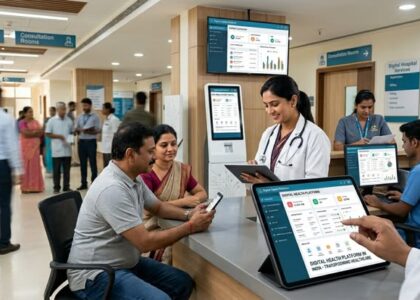
One of the biggest improvements in modern hospitals is the use of advanced medical technology. Innovative equipment and digital systems help doctors diagnose diseases earlier and treat patients more effectively.

1. Faster and Accurate Diagnosis

Modern hospitals use advanced diagnostic tools such as:

  • MRI scans
  • CT scans
  • Digital X-rays
  • Ultrasound imaging
  • Laboratory automation systems

These technologies allow doctors to identify medical conditions quickly and accurately. Early diagnosis often leads to faster treatment and better recovery outcomes.

For example, detecting heart disease or cancer at an early stage significantly increases the chances of successful treatment.

2. Minimally Invasive Surgeries

Modern surgical techniques, including laparoscopic and robotic-assisted surgeries, have improved patient care greatly.

Benefits include:

  • Smaller cuts and less pain
  • Reduced blood loss
  • Faster recovery
  • Lower risk of infection
  • Shorter hospital stays

Patients can often return to normal activities much sooner compared to traditional surgical procedures.

3. Telemedicine and Virtual Consultations

Many hospitals now offer telemedicine services, allowing patients to consult doctors remotely through video calls or mobile applications.

This improves patient care by:

  • Reducing travel time
  • Helping patients in remote areas
  • Providing faster medical advice
  • Supporting follow-up care from home

Telemedicine became especially important during global health emergencies and continues to make healthcare more accessible.


Patient-Centered Care

Modern hospitals focus heavily on patient-centered care, which means placing patients’ needs, comfort, and preferences at the center of healthcare decisions.

1. Better Communication

Doctors and healthcare staff now emphasize clear communication with patients and families. Patients are encouraged to ask questions and understand their treatment plans.

Good communication helps:

  • Reduce anxiety
  • Improve trust
  • Increase treatment adherence
  • Enhance patient satisfaction

2. Personalized Treatment Plans

Every patient is different. Modern hospitals create personalized care plans based on:

  • Medical history
  • Age
  • Lifestyle
  • Existing conditions
  • Individual health goals

This customized approach leads to more effective treatment and better health outcomes.

3. Emotional and Mental Support

Modern healthcare recognizes the importance of mental and emotional well-being. Many hospitals now provide:

  • Counseling services
  • Mental health support
  • Stress management programs
  • Rehabilitation services

Supporting emotional health can improve recovery and overall quality of life.


Improved Patient Safety

Patient safety is a major priority in modern hospitals. Hospitals follow strict safety protocols to reduce medical errors and infections.

1. Electronic Medical Records (EMR)

Digital medical records help doctors and nurses access patient information instantly. This reduces the risk of:

  • Medication errors
  • Duplicate tests
  • Incorrect treatments

Electronic records also improve coordination between departments.

2. Infection Control Measures

Modern hospitals maintain high hygiene standards through:

  • Sterilization systems
  • Hand hygiene protocols
  • Isolation units
  • Advanced cleaning procedures

These measures reduce hospital-acquired infections and protect both patients and healthcare workers.

3. Smart Monitoring Systems

Many hospitals use monitoring systems that track:

  • Heart rate
  • Blood pressure
  • Oxygen levels
  • Breathing patterns

Alerts notify healthcare staff immediately if a patient’s condition changes, allowing faster medical intervention.


Skilled Healthcare Professionals

Technology alone cannot improve healthcare without skilled professionals. Modern hospitals invest heavily in staff training and medical education.

1. Specialized Doctors and Nurses

Patients now have access to specialists in areas such as:

  • Cardiology
  • Neurology
  • Orthopedics
  • Oncology
  • Pediatrics

Specialized care improves diagnosis accuracy and treatment quality.

2. Continuous Training

Healthcare workers regularly update their knowledge through:

  • Workshops
  • Medical conferences
  • Simulation training
  • Online learning programs

This ensures patients receive care based on the latest medical advancements.

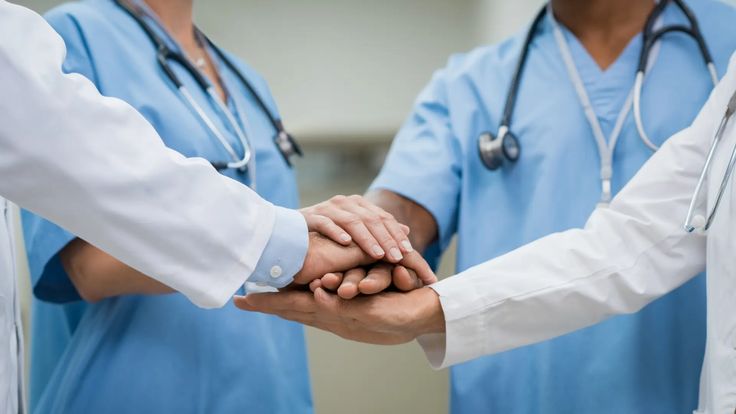
3. Team-Based Care

Modern hospitals encourage collaboration among:

  • Doctors
  • Nurses
  • Pharmacists
  • Therapists
  • Nutritionists

Teamwork helps provide comprehensive and coordinated care for patients.


Better Emergency and Critical Care Services

Modern hospitals have advanced emergency departments capable of handling critical situations quickly and efficiently.

Key Improvements Include:

  • 24/7 emergency services
  • Advanced ambulances
  • Trauma centers
  • Intensive Care Units (ICUs)
  • Rapid response teams

Quick emergency care can save lives during heart attacks, strokes, accidents, and other medical emergencies.


Comfortable Hospital Environment

The physical environment of a hospital also affects patient recovery. Modern hospitals are designed to create a more comfortable and healing atmosphere.

Features Often Include:

  • Clean and spacious rooms
  • Comfortable beds
  • Better ventilation
  • Natural lighting
  • Reduced noise levels
  • Family waiting areas

A calm environment helps reduce stress and supports faster recovery.


Digital Healthcare Services

Digital healthcare systems have made hospital services more convenient for patients.

1. Online Appointment Booking

Patients can easily schedule appointments through websites or mobile apps without long waiting times.

2. Digital Reports and Prescriptions

Medical reports and prescriptions are often available online, making healthcare more organized and accessible.

3. Automated Billing Systems

Modern billing systems improve transparency and reduce administrative delays.


Focus on Preventive Healthcare

Modern hospitals are not only focused on treating illness but also on preventing disease.

Preventive Services Include:

  • Health screenings
  • Vaccination programs
  • Wellness checkups
  • Lifestyle counseling
  • Nutrition guidance

Preventive healthcare helps detect health issues early and encourages healthier lifestyles.


Role of Artificial Intelligence and Data Analytics

Artificial Intelligence (AI) is increasingly helping hospitals improve patient care.

AI Applications Include:

  • Predicting disease risks
  • Assisting in medical imaging
  • Supporting clinical decisions
  • Monitoring patient recovery

Data analytics also helps hospitals improve efficiency and patient outcomes by analyzing healthcare trends and treatment effectiveness.


Benefits of Modern Hospitals for Patients

Modern hospitals provide several important benefits, including:

  • Faster diagnosis and treatment
  • Improved patient safety
  • Better recovery outcomes
  • Reduced hospital stays
  • More personalized healthcare
  • Easier access to medical services
  • Higher patient satisfaction

These improvements ultimately lead to better quality healthcare for individuals and communities.


Challenges Modern Hospitals Still Face

Despite major advancements, modern hospitals still face challenges such as:

  • Rising healthcare costs
  • Staff shortages
  • Overcrowding
  • Technology maintenance
  • Data privacy concerns

Hospitals must continue adapting and improving to meet growing healthcare demands.


Conclusion

Modern hospitals have significantly transformed patient care through advanced technology, skilled professionals, patient-centered services, and improved safety measures. Today’s healthcare systems focus not only on treating diseases but also on enhancing the overall patient experience.

From faster diagnosis and minimally invasive surgeries to digital healthcare services and preventive care, modern hospitals are making healthcare more efficient, accessible, and effective. As medical science and technology continue to evolve, hospitals will play an even greater role in improving the health and well-being of people around the world.

Investing in modern healthcare infrastructure and quality patient care remains essential for building healthier communities and ensuring better medical outcomes for future generations.
About the Author

Leave a Reply

Your email address will not be published. Required fields are marked *

You may also like these