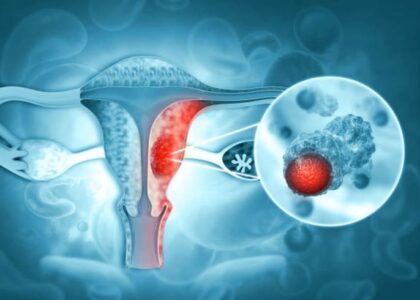

Smoking is one of the leading causes of preventable diseases and deaths worldwide. Despite widespread awareness about its harmful effects, millions of people continue to smoke cigarettes, cigars, bidis, or use other tobacco products every day. Smoking does not only damage the lungs—it affects nearly every organ in the human body. From heart disease and cancer to weakened immunity and mental health problems, the impact of smoking is severe and long-lasting.
Understanding how smoking affects overall health is important for both smokers and non-smokers. Even passive smoking, also known as secondhand smoke, can cause serious health complications. Quitting smoking at any age can significantly improve health and reduce the risk of life-threatening diseases.
What Happens When You Smoke?
Cigarette smoke contains more than 7,000 harmful chemicals, including nicotine, carbon monoxide, tar, arsenic, and formaldehyde. Many of these substances are toxic and can damage tissues and organs over time.
Nicotine is highly addictive and makes it difficult for smokers to quit. Once inhaled, these harmful chemicals enter the bloodstream and spread throughout the body, affecting the heart, lungs, brain, blood vessels, skin, and immune system.
Effects of Smoking on Different Parts of the Body
1. Damage to the Lungs
The lungs are the most affected organs in smokers. Smoking damages the airways and tiny air sacs in the lungs, making breathing difficult.
Common Lung Problems Caused by Smoking:
- Chronic bronchitis
- Emphysema
- Chronic Obstructive Pulmonary Disease (COPD)
- Lung infections
- Asthma worsening
- Lung cancer
Smokers often experience:
- Persistent cough
- Wheezing
- Shortness of breath
- Chest tightness
- Excess mucus production
Over time, smoking reduces lung capacity and makes everyday activities harder.
2. Increased Risk of Heart Disease
Smoking greatly increases the risk of cardiovascular diseases. Harmful chemicals in tobacco damage blood vessels, raise blood pressure, and reduce oxygen levels in the blood.
Smoking Can Cause:
- Heart attack
- Stroke
- High blood pressure
- Blocked arteries
- Poor blood circulation
Nicotine also increases heart rate, forcing the heart to work harder. Smokers are significantly more likely to develop heart disease compared to non-smokers.
3. Smoking and Cancer
Smoking is strongly linked to multiple types of cancer, not just lung cancer.
Cancers Associated with Smoking:
- Lung cancer
- Mouth cancer
- Throat cancer
- Esophageal cancer
- Bladder cancer
- Kidney cancer
- Pancreatic cancer
- Stomach cancer
The longer a person smokes, the higher the cancer risk becomes.
4. Weakening of the Immune System
Smoking weakens the body’s natural defense system, making it harder to fight infections and illnesses.
Smokers are more likely to suffer from:
- Frequent colds
- Flu
- Pneumonia
- Slow wound healing
- Increased inflammation
A weakened immune system can also delay recovery from surgeries and medical treatments.
5. Effects on Oral Health
Smoking seriously damages oral hygiene and dental health.
Common Oral Problems:
- Yellow teeth
- Bad breath
- Gum disease
- Tooth loss
- Mouth sores
- Oral cancer
Smokers often experience reduced taste and smell sensation as well.
6. Impact on Skin and Appearance
Smoking accelerates aging and damages the skin.
Visible Effects Include:
- Wrinkles
- Dull skin
- Premature aging
- Dark lips
- Hair loss
- Brittle nails
Reduced blood flow and oxygen supply affect skin elasticity and overall appearance.
7. Effects on Mental Health
Many people believe smoking reduces stress, but nicotine addiction actually increases anxiety and dependency over time.
Smoking is linked to:
- Increased stress levels
- Anxiety
- Depression
- Mood swings
- Sleep problems
When nicotine levels drop, smokers may experience irritability and cravings, creating a cycle of addiction.
8. Reproductive and Pregnancy Complications
Smoking affects reproductive health in both men and women.
In Men:
- Reduced sperm quality
- Erectile dysfunction
- Fertility issues
In Women:
- Difficulty conceiving
- Pregnancy complications
- Premature birth
- Low birth weight babies
- Increased miscarriage risk
Smoking during pregnancy can seriously harm both mother and baby.
Effects of Passive Smoking
Secondhand smoke is also dangerous. Non-smokers exposed to cigarette smoke may develop serious health problems.
Risks of Passive Smoking:
- Asthma attacks
- Lung infections
- Heart disease
- Lung cancer
- Breathing problems in children
Children exposed to smoke are especially vulnerable and may suffer from poor lung development and frequent illnesses.
Benefits of Quitting Smoking
The body starts healing soon after quitting smoking.
Health Improvements After Quitting:
- Heart rate improves within 24 hours
- Lung function improves within weeks
- Better breathing and circulation
- Reduced risk of cancer and heart disease
- Improved taste and smell
- Increased energy levels
Long-term quitting can add years to life expectancy and improve overall quality of life.
Tips to Quit Smoking
Quitting smoking can be challenging, but it is possible with support and determination.
Helpful Tips:
- Set a quit date
- Avoid smoking triggers
- Stay physically active
- Drink plenty of water
- Seek counseling or support groups
- Use nicotine replacement therapy if needed
- Practice stress management techniques
Support from family, friends, and healthcare professionals can make quitting easier.
Conclusion
Smoking affects almost every organ in the body and significantly increases the risk of serious diseases. The harmful effects extend beyond smokers to family members and others exposed to secondhand smoke. While smoking causes severe health damage, quitting can greatly improve physical and mental well-being.
Choosing to stop smoking is one of the best decisions a person can make for a healthier and longer life. Awareness, prevention, and timely support play a vital role in reducing smoking-related health problems.