
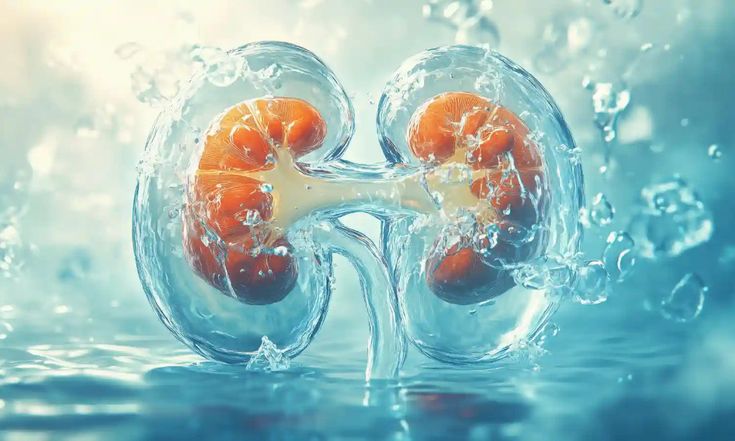
Water is essential for life, and one of its most important roles is supporting healthy kidney function. The kidneys work tirelessly every day to filter waste, balance fluids, regulate minerals, and remove toxins from the body. Proper hydration helps these vital organs perform efficiently, while inadequate water intake can increase the risk of several kidney-related problems.
Why Are the Kidneys Important?
The kidneys are two bean-shaped organs located on either side of the spine. Their main functions include:
- Filtering waste products from the blood
- Producing urine to remove toxins
- Maintaining fluid and electrolyte balance
- Regulating blood pressure
- Supporting red blood cell production
To perform these tasks effectively, the kidneys require an adequate amount of water.
How Water Supports Kidney Health
1. Helps Remove Toxins and Waste
Water helps the kidneys flush waste products and excess minerals from the body through urine. Proper hydration ensures smooth filtration and prevents waste buildup.
2. Reduces the Risk of Kidney Stones
One of the major benefits of drinking enough water is lowering the risk of kidney stones. Concentrated urine allows minerals and salts to crystallize, forming painful stones. Adequate water intake dilutes the urine and reduces stone formation.
3. Prevents Urinary Tract Infections (UTIs)
Drinking enough water increases urine flow, helping flush bacteria out of the urinary tract. Untreated UTIs can sometimes spread to the kidneys and cause serious infections.
4. Supports Blood Pressure Control
The kidneys play a key role in regulating blood pressure. Dehydration may affect kidney function and contribute to blood pressure imbalances, which can eventually damage the kidneys.
5. Maintains Electrolyte Balance
Water helps maintain healthy levels of sodium, potassium, and other electrolytes necessary for proper muscle, nerve, and organ function.
Signs You May Not Be Drinking Enough Water
Dehydration can affect kidney health over time. Common signs include:
- Dark yellow urine
- Dry mouth
- Fatigue
- Dizziness
- Headaches
- Reduced urination
- Muscle cramps
Persistent dehydration can place extra stress on the kidneys.
How Much Water Should You Drink?
Water needs vary depending on age, climate, activity level, and overall health. While the common recommendation is around 2–3 liters per day, some people may need more or less.
Factors that increase water requirements include:
- Hot weather
- Physical activity
- Fever or illness
- Pregnancy and breastfeeding
However, people with certain kidney or heart conditions may need to limit fluid intake under medical guidance.
Can Drinking Too Much Water Be Harmful?
Although hydration is important, excessive water intake can also be harmful. Overhydration may dilute sodium levels in the body and put unnecessary strain on the kidneys. Balance is key.
Tips to Stay Properly Hydrated
- Carry a reusable water bottle
- Drink water regularly throughout the day
- Eat water-rich fruits and vegetables
- Limit sugary and highly caffeinated drinks
- Increase fluid intake during hot weather or exercise
Listening to your body’s thirst signals is also important.
When to Consult a Doctor
Seek medical advice if you experience:
- Persistent swelling
- Pain during urination
- Blood in urine
- Severe dehydration
- Frequent kidney stones
- Changes in urination patterns
Early diagnosis can help prevent serious kidney complications.
Final Thoughts
Water plays a crucial role in maintaining healthy kidneys and supporting overall body function. Proper hydration helps remove toxins, prevent kidney stones, support blood pressure balance, and protect the urinary system.
Simple habits like drinking enough water daily can go a long way in preserving kidney health and improving overall well-being. Your kidneys work continuously for you — keeping them hydrated is one of the easiest ways to support their health.