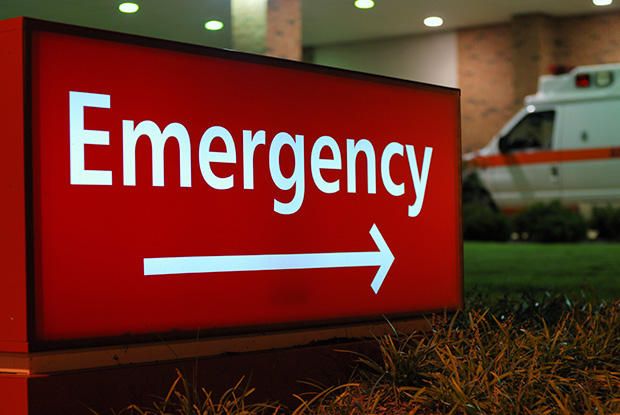
Emergency care services are one of the most critical pillars of modern healthcare systems. Every second counts during a medical emergency, and timely treatment can mean the difference between life and death. Whether it is a heart attack, road accident, stroke, severe injury, breathing difficulty, or sudden illness, emergency medical services provide immediate care to stabilize patients and save lives.
In today’s fast-paced world, accidents and unexpected health conditions are increasing rapidly. This makes access to efficient emergency care more important than ever. Hospitals with well-equipped emergency departments and trained medical professionals play a vital role in protecting communities and improving survival rates.
What Are Emergency Care Services?
Emergency care services refer to immediate medical attention provided to patients suffering from sudden illnesses, injuries, or life-threatening conditions. These services are available 24/7 and are designed to offer rapid diagnosis, treatment, and stabilization.
Emergency care typically includes:
- Ambulance and trauma services
- Emergency room (ER) treatment
- Critical care and ICU support
- Emergency surgeries
- Cardiac emergency treatment
- Stroke management
- Accident and trauma care
- Pediatric emergency care
The main goal is to provide quick medical intervention before the patient’s condition becomes worse.
Why Emergency Care Services Are Important
1. Saves Lives During Critical Situations
The biggest importance of emergency care is its ability to save lives. Conditions like cardiac arrest, stroke, severe bleeding, or breathing failure require immediate medical attention. Delayed treatment can lead to permanent organ damage or death.
Emergency teams are trained to act quickly and efficiently, providing lifesaving procedures such as:
- CPR (Cardiopulmonary Resuscitation)
- Oxygen support
- Defibrillation
- Emergency surgery
- Blood transfusion
Quick response greatly increases the chances of survival.
2. Reduces Complications
Early medical intervention helps prevent long-term complications. For example:
- Rapid stroke treatment can reduce brain damage
- Fast fracture treatment prevents permanent disability
- Immediate wound care lowers infection risk
- Quick asthma management prevents respiratory failure
Emergency care ensures patients receive proper treatment before conditions become severe.
3. Provides 24/7 Medical Support
Medical emergencies can happen anytime — day or night. Emergency departments operate round the clock to ensure patients receive immediate treatment without delay.
This constant availability provides peace of mind to individuals and families knowing help is always accessible during emergencies.
4. Essential for Accident and Trauma Care
Road accidents, workplace injuries, burns, falls, and other traumatic incidents require urgent medical attention. Emergency care units are equipped with advanced trauma management systems to stabilize injured patients quickly.
Trauma teams include:
- Emergency physicians
- Surgeons
- Nurses
- Radiologists
- Critical care specialists
Their coordinated efforts improve recovery outcomes.
5. Supports Heart Attack and Stroke Patients
Heart disease and stroke are among the leading causes of death worldwide. Immediate treatment is essential because every minute matters.
Emergency services help by:
- Performing rapid diagnosis
- Monitoring vital signs
- Administering emergency medications
- Providing advanced cardiac life support
- Preparing patients for surgery if needed
Fast emergency response significantly improves survival and recovery.
6. Helps During Natural Disasters and Public Emergencies
During floods, earthquakes, fires, pandemics, or large-scale accidents, emergency medical services become extremely important. Hospitals and emergency response teams manage mass casualties and provide urgent treatment to affected people.
Prepared emergency systems help communities respond effectively during crises.
7. Improves Community Health and Safety
Strong emergency healthcare systems improve the overall safety of society. When emergency services are efficient:
- Mortality rates decrease
- Public confidence in healthcare increases
- Disease complications reduce
- Communities become more resilient during emergencies
Emergency departments are often the first point of care for critically ill patients.
Key Features of a Good Emergency Care System
An effective emergency care facility should have:
• Experienced Medical Professionals
Doctors, nurses, and paramedics trained in emergency medicine and trauma management.
• Advanced Medical Equipment
Modern diagnostic and lifesaving equipment such as ventilators, monitors, CT scans, and emergency surgical tools.
• Ambulance Support
Fast ambulance response with trained emergency staff and essential medical equipment.
• Quick Response Time
Immediate assessment and rapid treatment reduce health risks.
• 24/7 Availability
Continuous emergency support ensures patients receive care at any hour.
Common Conditions Treated in Emergency Departments
Emergency care services handle a wide range of conditions, including:
- Chest pain and heart attack
- Stroke
- Severe bleeding
- Fractures and injuries
- Burns
- Poisoning
- Asthma attacks
- Seizures
- High fever and infections
- Breathing difficulties
- Road accident injuries
Immediate medical attention helps improve patient outcomes.
Role of Ambulance Services in Emergency Care
Ambulance services are a crucial part of emergency healthcare. They provide:
- Rapid transportation
- First aid and stabilization
- Oxygen and cardiac support
- Communication with hospitals before arrival
Well-equipped ambulances help begin treatment even before the patient reaches the hospital.
Importance of Public Awareness About Emergency Services
Many lives can be saved if people know when and how to seek emergency medical help. Public awareness helps individuals recognize warning signs of serious conditions like:
- Sudden chest pain
- Difficulty breathing
- Loss of consciousness
- Severe injuries
- Sudden weakness or paralysis
Educating communities about emergency numbers, first aid, and early medical intervention is extremely important.
Conclusion
Emergency care services are an essential part of every healthcare system. They provide immediate medical attention during critical situations and play a major role in saving lives, reducing complications, and improving recovery outcomes.
From accidents and heart attacks to natural disasters and severe illnesses, emergency departments work tirelessly to protect patients and provide urgent treatment whenever needed. Investing in quality emergency healthcare services, trained professionals, and public awareness can create a safer and healthier society for everyone.
Timely emergency care is not just a medical service — it is a lifesaving necessity.