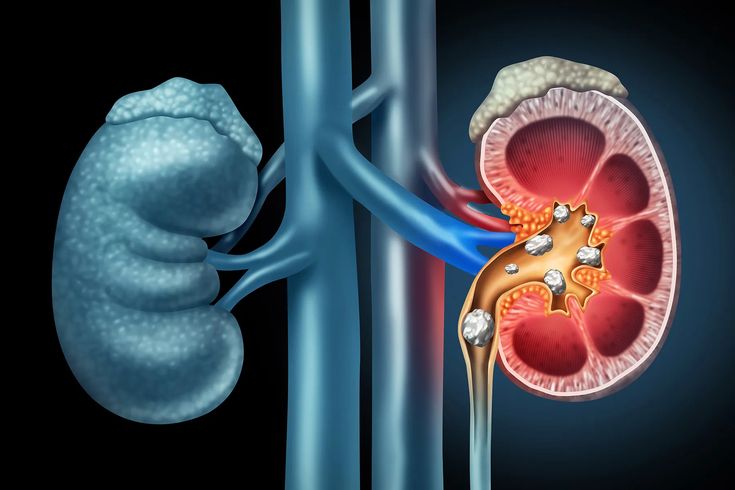
Kidney stones are one of the most painful urinary tract conditions affecting people of all ages. These hard mineral and salt deposits form inside the kidneys and can vary in size — from tiny crystals to larger stones that block the urinary tract. While some small kidney stones may pass naturally without causing major problems, others can lead to severe pain, infection, and even kidney damage if left untreated.
Recognizing the early warning signs of kidney stones is extremely important. Many people ignore the initial symptoms, thinking they are minor digestive issues or temporary body pain. However, delaying treatment can worsen the condition and increase complications. Understanding the symptoms that should never be ignored can help you seek medical attention at the right time and protect your kidney health.
What Are Kidney Stones?
Kidney stones develop when minerals like calcium, oxalate, and uric acid become concentrated in the urine and form crystals. Over time, these crystals combine and harden into stones. Dehydration, poor diet, obesity, excessive salt intake, urinary infections, and certain medical conditions can increase the risk of developing kidney stones.
There are several types of kidney stones, including:
- Calcium stones
- Uric acid stones
- Struvite stones
- Cystine stones
Each type may have different causes, but the symptoms are often similar.
Severe Pain in the Back or Side
One of the most common and unmistakable symptoms of kidney stones is intense pain in the lower back, side, or abdomen. This pain usually begins suddenly and may come in waves. It often starts below the ribs and radiates toward the lower abdomen or groin.
Kidney stone pain is often described as:
- Sharp and stabbing
- Cramping in nature
- Extremely intense
- Difficult to sit still through
The pain may worsen as the stone moves through the urinary tract. If the pain becomes unbearable or is accompanied by vomiting or fever, immediate medical care is necessary.
Painful or Burning Urination
As a kidney stone moves closer to the bladder, it can cause pain or a burning sensation during urination. Many people mistake this symptom for a urinary tract infection (UTI). However, when combined with back pain or blood in urine, it could indicate a kidney stone.
You should never ignore:
- Burning sensation while urinating
- Sudden discomfort during urination
- Frequent urge to urinate with little output
These signs may indicate irritation or blockage caused by the stone.
Blood in the Urine
Blood in the urine, medically known as hematuria, is another major warning sign. Kidney stones can scratch the lining of the urinary tract, causing bleeding.
The urine may appear:
- Pink
- Red
- Brown
- Cloudy
Sometimes the blood is microscopic and only detected through laboratory tests. Even a small amount of blood in urine should never be ignored because it may signal kidney stones or other urinary tract conditions.
Frequent Urge to Urinate
People with kidney stones often feel the need to urinate more frequently than usual. This happens especially when the stone reaches the lower urinary tract.
Symptoms may include:
- Frequent bathroom visits
- Urgent need to urinate
- Passing small amounts of urine
- Feeling unable to empty the bladder completely
If these symptoms persist, medical evaluation is important.
Nausea and Vomiting
Kidney stones can trigger nausea and vomiting due to the strong connection between the kidneys and digestive system through nerve pathways. Severe pain caused by stones can also upset the stomach.
Persistent nausea along with abdominal or back pain should not be overlooked, especially if dehydration develops.
Fever and Chills
Fever and chills may indicate a serious infection associated with a kidney stone. This is considered a medical emergency because an infected urinary blockage can rapidly become dangerous.
Seek immediate medical attention if you experience:
- High fever
- Chills or shivering
- Severe pain
- Difficulty urinating
Ignoring these symptoms can lead to kidney infection or sepsis.
Difficulty Passing Urine
Large kidney stones may block the flow of urine partially or completely. This can cause:
- Weak urine flow
- Pain while urinating
- Reduced urine output
- Inability to urinate
Urinary blockage can damage the kidneys if not treated quickly.
Cloudy or Foul-Smelling Urine
Healthy urine is usually clear and mild-smelling. Cloudy urine or a strong unpleasant odor may suggest infection or the presence of minerals related to kidney stones.
This symptom becomes more concerning when combined with pain or fever.
Risk Factors for Kidney Stones
Certain lifestyle habits and medical conditions increase the risk of kidney stones, including:
- Drinking insufficient water
- High salt intake
- Excessive consumption of sugary drinks
- Obesity
- Family history of kidney stones
- High-protein diets
- Recurrent urinary infections
- Diabetes and metabolic disorders
Maintaining proper hydration and a balanced diet can significantly reduce the risk.
When Should You See a Doctor?
You should seek medical help immediately if you experience:
- Severe back or abdominal pain
- Blood in urine
- Fever with urinary symptoms
- Persistent vomiting
- Difficulty passing urine
- Pain that does not improve
Early diagnosis can help prevent complications and reduce the need for surgery.
Diagnosis and Treatment
Doctors may diagnose kidney stones using:
- Urine tests
- Blood tests
- Ultrasound
- CT scan
- X-rays
Treatment depends on the size and location of the stone. Small stones may pass naturally with hydration and medications, while larger stones may require:
- Shock wave therapy
- Ureteroscopy
- Laser treatment
- Surgery in severe cases
Tips to Prevent Kidney Stones
Prevention is always better than treatment. Some effective preventive measures include:
- Drink plenty of water daily
- Limit salt intake
- Reduce sugary beverages
- Eat a balanced diet rich in fruits and vegetables
- Avoid excessive processed foods
- Maintain a healthy weight
- Follow medical advice if you have a history of stones
Conclusion
Kidney stones can cause extreme discomfort and serious complications if ignored. Symptoms like severe back pain, blood in urine, painful urination, fever, and nausea should never be taken lightly. Early medical attention can prevent infection, kidney damage, and unnecessary suffering.
Staying hydrated, maintaining healthy lifestyle habits, and recognizing warning signs early are the best ways to protect your kidney health. If you notice any symptoms of kidney stones, consult a healthcare professional promptly for proper diagnosis and treatment.