

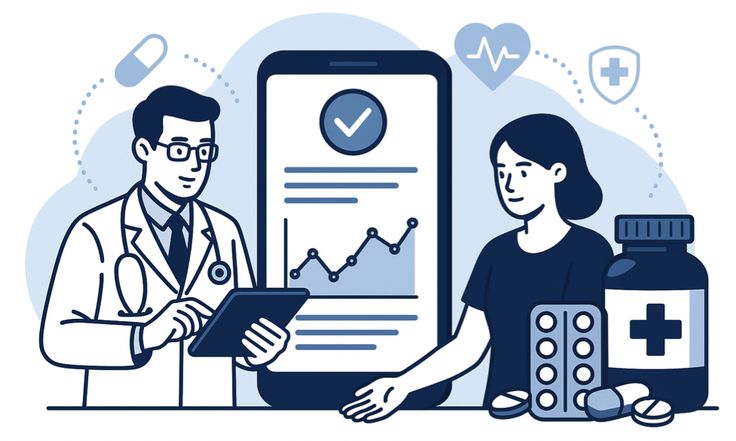
Good health is not only about treating diseases—it is also about preventing them before they begin. In today’s fast-paced lifestyle, stress, unhealthy eating habits, lack of exercise, and irregular sleep can silently affect overall well-being. Preventive healthcare focuses on simple daily habits and regular medical care that help people stay healthy, active, and disease-free.
Small steps taken today can lead to a healthier and happier future.
What Is Preventive Healthcare?
Preventive healthcare means taking measures to reduce the risk of illness and detect health problems early. Instead of waiting for symptoms to become serious, preventive care encourages healthy habits, regular screenings, vaccinations, and timely medical advice.
The goal is to improve quality of life and prevent major health complications.
Why Preventive Healthcare Matters
1. Early Detection Saves Lives
Many conditions such as diabetes, high blood pressure, heart disease, and certain cancers may not show symptoms in the early stages. Regular health checkups can help detect these problems before they become severe.
Early diagnosis often leads to more effective treatment and better recovery.
2. Reduces Risk of Chronic Diseases
Healthy lifestyle choices can significantly reduce the risk of:
- Heart disease
- Obesity
- Diabetes
- Stroke
- Kidney problems
- Respiratory diseases
Simple preventive actions can protect long-term health.
3. Improves Daily Energy and Wellness
Good preventive habits help maintain:
- Better immunity
- Improved sleep quality
- Higher energy levels
- Better mental health
- Increased productivity
Healthy individuals often enjoy a more active and balanced life.
Small Steps for a Healthier Life
Eat a Balanced Diet
Include fruits, vegetables, whole grains, and protein-rich foods in daily meals. Reduce excess sugar, salt, and processed foods.
Stay Physically Active
Regular exercise improves heart health, strengthens muscles, and supports mental wellness. Even a 30-minute daily walk can make a big difference.
Drink Enough Water
Proper hydration supports digestion, kidney function, and overall body balance.
Get Regular Health Checkups
Routine screenings help monitor blood pressure, blood sugar, cholesterol, and other important health markers.
Sleep Well
Adults should aim for 7–8 hours of quality sleep each night to support physical and mental recovery.
Manage Stress
Meditation, exercise, hobbies, and relaxation techniques can help reduce stress and improve emotional health.
Avoid Smoking and Excess Alcohol
Limiting harmful habits lowers the risk of serious diseases and improves overall health.
Importance of Vaccination
Vaccinations are an important part of preventive healthcare. They help protect children and adults from serious infections and reduce the spread of disease in communities.
Who Should Focus on Preventive Care?
Preventive healthcare is important for everyone, especially:
- Adults above 30 years
- People with family history of diseases
- Office workers with sedentary lifestyles
- Children and elderly individuals
- People with stress-related health concerns
Prevention benefits every age group.
Final Thoughts
Preventive healthcare is one of the smartest investments you can make for your future. Simple lifestyle improvements, routine medical checkups, and healthy daily habits can reduce disease risks and improve overall well-being.
Remember, small healthy choices made consistently can create a lifetime of better health.