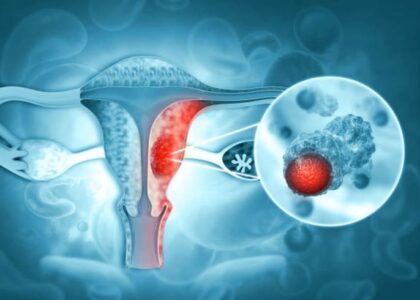


A healthy menstrual cycle is a vital indicator of overall well-being, reflecting hormonal balance and nutritional status. Many women in the North Bengal region face challenges like irregular periods, severe cramps, or fatigue. At The Galaxy Hospital, Bagdogra, we believe that targeted nutrition is one of the most effective ways to manage these symptoms and restore hormonal harmony.
Understanding Your Cycle
A typical cycle lasts 21–35 days. When hormones like estrogen and progesterone fluctuate, it can lead to:
- PMS: Mood swings, bloating, and headaches.
- Dysmenorrhea: Painful lower abdominal cramps.
- Irregularity: Cycles that vary significantly in length.
Our clinical team emphasizes that a nutrient-rich diet can reduce inflammation and support the body through these natural shifts.
Phase-Specific Nutrition
Adapting your diet to your cycle’s phases can significantly improve how you feel:
1. Menstrual Phase (Days 1–5)
Focus on replenishing iron lost during bleeding.
- Eat: Spinach, lentils, beets, and fortified grains.
- Pro Tip: Pair these with Vitamin C (like oranges or lemon water) to boost iron absorption.
2. Follicular Phase (Days 6–14)
Your body is preparing for ovulation and needs energy for follicle growth.
- Eat: High-quality proteins (eggs, sprouts) and healthy fats (avocados, walnuts).
3. Ovulation Phase (Around Day 14)
Stay hydrated and focus on anti-inflammatory foods.
- Eat: Fresh berries, citrus fruits, and plenty of water to combat oxidative stress.
4. Luteal Phase (Days 15–28)
This is when PMS symptoms typically peak. Stabilize your mood and reduce bloating here.
- Eat: Complex carbohydrates like oats or brown rice, and magnesium-rich foods like pumpkin seeds and bananas.
What to Limit
To minimize inflammation and hormonal disruption, our nutritionists recommend reducing:
- Excessive Caffeine: Can worsen anxiety and breast tenderness.
- High-Sodium Foods: Leads to water retention and bloating.
- Refined Sugars: Triggers blood sugar spikes that worsen mood swings.
Holistic Support at Galaxy Hospital
Diet works best when supported by a healthy lifestyle. We encourage:
- Regular Movement: Gentle yoga or walking near the tea gardens can improve circulation and reduce cramps.
- Stress Management: High cortisol can disrupt your period; prioritize 7–8 hours of sleep.
- Professional Guidance: If you experience heavy bleeding or severe emotional changes, it may signal conditions like PCOS or endometriosis.
Consult Our Specialists
For personalized nutrition plans or gynecological consultations, visit The Galaxy Hospital, Bagdogra. Our multidisciplinary team is dedicated to supporting women’s health at every stage of life.