
Women’s health is a crucial part of overall well-being, and gynaecology plays an essential role in protecting it at every stage of life. Many women often ask, “What exactly does a gynaecologist do, and why are regular visits important?”
A gynaecologist helps maintain reproductive health through preventive care, early diagnosis, and treatment of various conditions. Regular consultations ensure early detection of issues and support long-term health.
Who is a Gynaecologist?
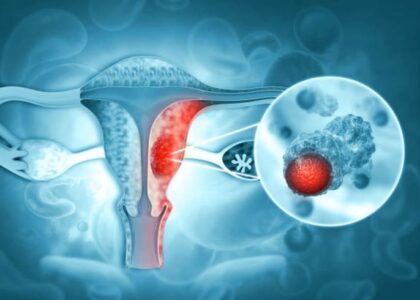
A gynaecologist is a medical doctor who specialises in the female reproductive system, including the uterus, ovaries, fallopian tubes, cervix, vagina, and breasts.
While an obstetrician focuses primarily on pregnancy and childbirth, a gynaecologist deals with diagnosing, treating, and preventing reproductive health issues. Their role also extends to overall wellness, including hormonal balance, preventive care, and patient education.
What Does a Gynaecologist Do?
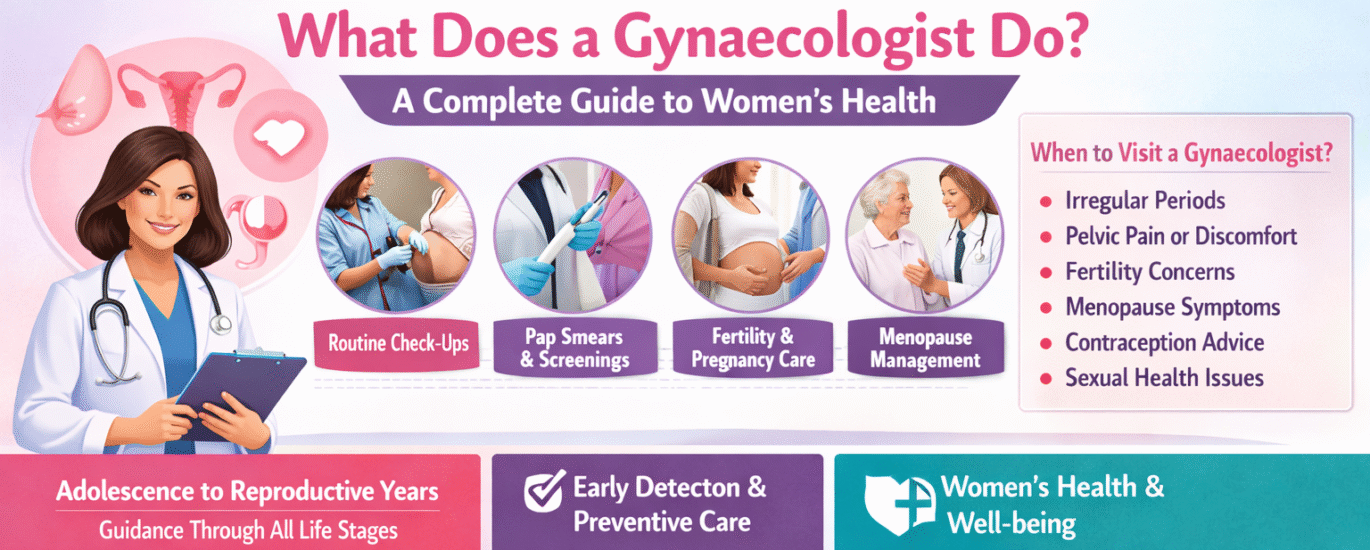
A gynaecologist provides a wide range of healthcare services, including:
- Routine health check-ups and pelvic examinations
- Preventive screenings such as Pap smears and breast exams
- Guidance on contraception and family planning
- Diagnosis and treatment of reproductive health conditions
- Hormonal health management
- Patient education on lifestyle, hygiene, and long-term wellness
Their goal is not just treatment, but prevention and awareness.
Conditions Treated by a Gynaecologist
Gynaecologists diagnose and manage various health concerns, such as:
- Menstrual disorders (irregular periods, heavy bleeding, severe cramps)
- Fertility issues and pregnancy-related concerns
- Conditions like Polycystic Ovary Syndrome, Endometriosis, and fibroids
- Sexually Transmitted Infections and vaginal infections
- Hormonal imbalances and menopause-related symptoms
- Cancer screenings for cervical, ovarian, and breast health
When Should You Visit a Gynaecologist?
1. Regular Check-ups
Even without symptoms, annual visits are essential for maintaining reproductive health and early detection of potential issues.
2. Menstrual Problems
Irregular cycles, heavy bleeding, or painful periods should be evaluated promptly to rule out underlying conditions.
3. Pregnancy & Fertility
Whether planning a pregnancy or facing fertility challenges, a gynaecologist provides guidance, monitoring, and care.
4. Pain or Discomfort
Pelvic pain, unusual discharge, itching, or burning sensations require immediate medical attention.
5. Contraception & Family Planning
Expert advice ensures safe and effective birth control methods tailored to individual needs.
6. Menopause & Hormonal Changes
Symptoms like hot flashes, mood swings, and irregular periods can be managed effectively with medical support.
7. Preventive Screenings
Regular Pap smears, HPV tests, and breast exams help detect serious conditions early.
8. Sexual Health Concerns
Issues like pain during intercourse or low libido should not be ignored and can be addressed professionally.
Stages of Life When You Need a Gynaecologist
- Adolescence: Guidance after the first menstrual cycle and reproductive health education
- Reproductive Years: Pregnancy care, fertility support, and contraception
- Perimenopause & Menopause: Hormonal management, symptom relief, and preventive screenings
Conclusion
Understanding the role of a gynaecologist helps women take control of their health with confidence. From adolescence to menopause, regular visits ensure early detection, better treatment, and overall well-being.
Prioritising gynaecological care is not just about addressing problems—it’s about maintaining lifelong health.