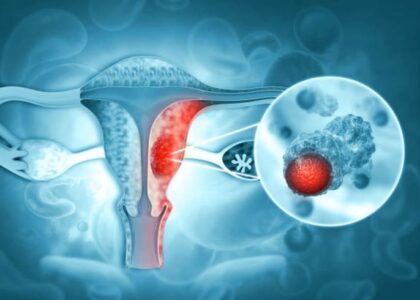

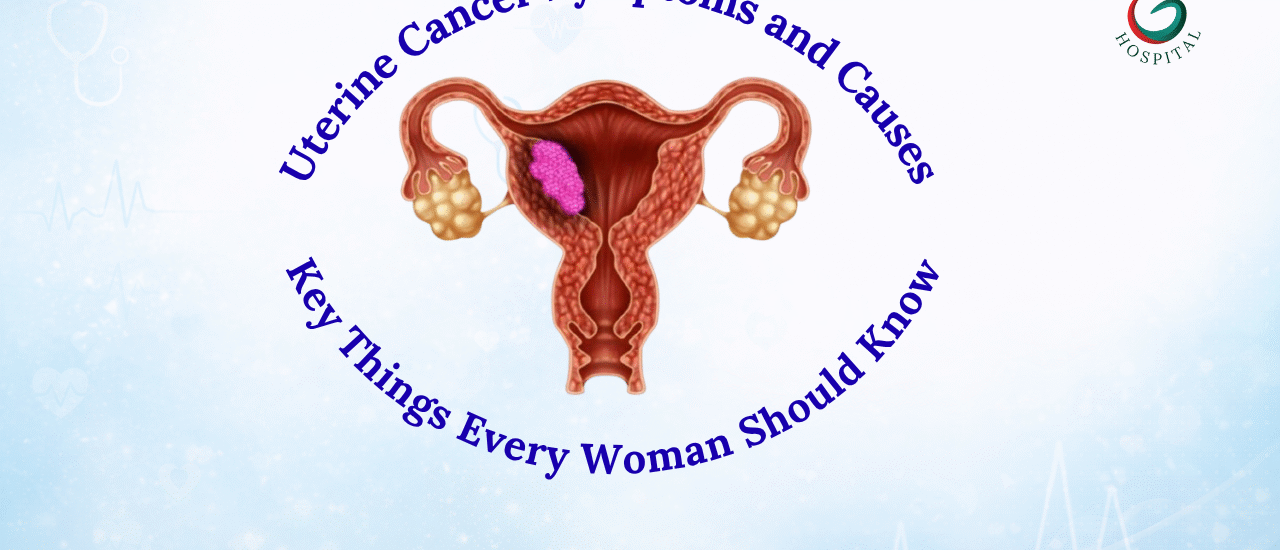
Uterine cancer, also known as endometrial cancer, begins in the lining of the uterus and is one of the most common cancers affecting women. Early detection plays a crucial role in successful treatment and recovery.
Many women overlook early warning signs, assuming they are related to menopause or hormonal changes. However, recognizing symptoms early and understanding the causes can significantly improve outcomes.
At Galaxy Hospital, our expert oncology and gynaecology teams focus on early diagnosis, advanced treatment, and personalized care to support every woman’s health journey.
What is Uterine Cancer?
Uterine cancer occurs when abnormal cells in the uterus (womb) grow uncontrollably.
There are two main types:
- Endometrial Cancer:
The most common type, starting in the uterine lining - Uterine Sarcoma:
A rare form that develops in the muscle or supporting tissues
Endometrial cancer typically affects women over the age of 45, especially after menopause. Detecting it early greatly increases the chances of effective treatment and long-term survival.
Symptoms of Uterine Cancer
Recognizing symptoms early can make a significant difference in treatment success.
Common Warning Signs
- Abnormal vaginal bleeding (especially after menopause)
- Pelvic pain or pressure
- Pain during intercourse
- Unexplained weight loss
- Fatigue or weakness
- Frequent urination or difficulty emptying the bladder
Early vs Advanced Symptoms
Early Symptoms:
- Irregular or light vaginal bleeding
- Mild pelvic discomfort
- Slight fatigue
- Subtle digestive issues
Advanced Symptoms:
- Heavy or prolonged bleeding
- Persistent pelvic pain
- Abdominal swelling
- Severe fatigue and weakness
⚠️ Important: Even mild or irregular symptoms should not be ignored.
Causes and Risk Factors
Several factors may increase the risk of uterine cancer:
Key Causes
- Hormonal Imbalance:
Excess estrogen without enough progesterone - Genetic Factors:
Conditions like Lynch syndrome - Obesity:
Increases estrogen levels
Risk Factors
- Age (especially after 50)
- Polycystic Ovary Syndrome (PCOS)
- Family history of uterine or colorectal cancer
- History of breast or ovarian cancer
- Diabetes and high blood pressure
- Early menstruation or late menopause
While these factors increase risk, they do not guarantee the development of cancer.
When to See a Doctor?
Consult a doctor if you experience:
- Abnormal or post-menopausal bleeding
- Persistent pelvic pain
- Changes in urination
- Unusual vaginal discharge
Early consultation can help detect the condition before it progresses.
At Galaxy Hospital, we encourage timely screenings and expert evaluation for women at risk.
Diagnosis and Treatment Overview
Diagnosis
Doctors may use the following tests:
- Ultrasound: Detects abnormalities in the uterus
- Endometrial Biopsy: Confirms presence of cancer cells
- CT / MRI Scans: Assess spread and staging
Treatment Options
Treatment depends on the stage and patient condition:
- Surgery (Hysterectomy): Removal of the uterus
- Radiation Therapy: Destroys remaining cancer cells
- Hormone Therapy: Slows hormone-sensitive cancer growth
- Chemotherapy / Targeted Therapy: Used in advanced cases
At Galaxy Hospital, every treatment plan is customized using a multidisciplinary approach.
Prevention and Healthy Lifestyle Tips
While uterine cancer cannot always be prevented, you can reduce your risk by:
- Maintaining a healthy weight
- Exercising regularly
- Attending routine health check-ups
- Managing diabetes and blood pressure
- Consulting a doctor before hormone therapy
Why Choose Galaxy Hospital for Uterine Cancer Care?
Galaxy Hospital is dedicated to providing advanced, compassionate care for women’s health.
- Multidisciplinary Team: Gynaecologists, oncologists, and specialists working together
- Advanced Diagnostics: Accurate and early detection
- Personalized Treatment Plans: Tailored to each patient
- Patient-Centered Care: Support from diagnosis to recovery
- Focus on Early Detection: Improving treatment success rates
Conclusion
Understanding uterine cancer symptoms and causes is essential for early detection and better outcomes.
Any unusual bleeding, pelvic discomfort, or post-menopausal changes should never be ignored. Early action can save lives.
At Galaxy Hospital, our expert team is committed to providing accurate diagnosis, advanced treatment, and compassionate care every step of the way.