Gallbladder cancer is a rare but aggressive disease that develops when abnormal cells in the gallbladder begin to grow uncontrollably. The gallbladder is a small organ located beneath the liver, responsible for storing bile that aids digestion.
Because early symptoms are often subtle or absent, gallbladder cancer is frequently diagnosed at an advanced stage, making timely detection crucial. Understanding its symptoms, causes, and risk factors can help individuals seek early medical care and improve treatment outcomes.
At Galaxy Hospital, our oncology specialists combine advanced diagnostics with personalized treatment approaches to deliver effective and compassionate cancer care.
What is Gallbladder Cancer?
Gallbladder cancer originates in the tissues of the gallbladder and most commonly develops from the glandular cells lining its inner surface, known as adenocarcinoma.
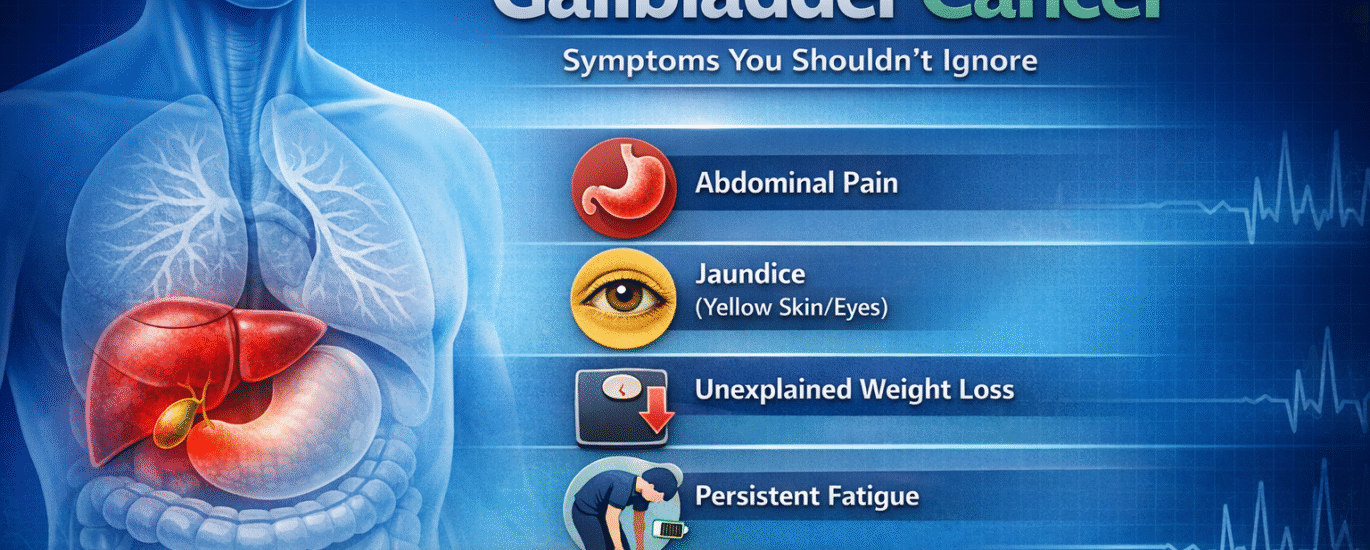
In its early stages, the disease may not present noticeable symptoms. As it progresses, patients may experience:
- Persistent pain in the upper right abdomen
- Jaundice (yellowing of the skin and eyes)
- Unexplained weight loss
- Nausea or vomiting
Early detection plays a critical role in improving survival rates and treatment success.
Gallbladder Cancer Symptoms
Recognizing symptoms early can significantly impact treatment outcomes. These symptoms often resemble common digestive issues, which can delay diagnosis.
Early Symptoms
- Abdominal Pain: Persistent discomfort, especially in the upper right side
- Nausea and Vomiting: Frequent uneasiness after meals
- Jaundice: Yellowing of skin and eyes due to bile duct blockage
- Fever: Mild to moderate fever linked to inflammation
Advanced Symptoms
As the disease progresses, additional symptoms may include:
- Unexplained Weight Loss: Sudden and unintentional weight reduction
- Abdominal Lump: Swelling or mass under the right rib cage
- Loss of Appetite: Reduced desire to eat
- Fatigue: Ongoing tiredness and weakness
⚠️ Note: These symptoms may not always indicate cancer, but persistent signs should never be ignored.
Causes and Risk Factors
Understanding the causes and risk factors can help identify individuals at higher risk.
Key Causes
- Genetic Mutations: DNA changes causing abnormal cell growth
- Chronic Inflammation: Long-term irritation of the gallbladder
- Gallstones: The most common contributing factor leading to repeated inflammation
Risk Factors
- Age: More common in individuals above 60
- Gender: Higher prevalence in women
- Obesity: Increases risk of gallstones and inflammation
- Family History: Genetic predisposition to gallbladder disease
While these factors increase risk, not everyone affected will develop gallbladder cancer.
When to See a Doctor?
Seek medical attention if you experience:
- Persistent upper right abdominal pain
- Yellowing of skin or eyes
- Unexplained weight loss
- Loss of appetite
- Abdominal swelling
Early consultation can help detect the disease at a treatable stage.
At Galaxy Hospital, we encourage timely screening and expert evaluation for individuals at risk.
Diagnosis and Treatment Options
Diagnosis
Accurate diagnosis involves a combination of imaging and laboratory tests:
- Ultrasound: Initial screening for abnormalities
- CT/MRI Scans: Detailed imaging to assess spread
- Biopsy: Confirmation through tissue analysis
Treatment Options
Treatment depends on the stage and overall health of the patient:
- Surgery: Removal of the gallbladder (best for early-stage cancer)
- Chemotherapy: Drug-based treatment to destroy cancer cells
- Radiation Therapy: Targeted radiation to control or reduce tumors
At Galaxy Hospital, treatment plans are customized using a multidisciplinary approach to ensure optimal outcomes.
Why Choose Galaxy Hospital for Gallbladder Cancer Care?
Galaxy Hospital is committed to delivering advanced and patient-centered cancer care.
- Expert Oncology Team: Collaboration of specialists across disciplines
- Personalized Treatment Plans: Tailored therapies for each patient
- Comprehensive Care: Support from diagnosis to recovery
Prognosis of Gallbladder Cancer
The prognosis largely depends on how early the cancer is detected.
- Early-stage detection offers the best chance for successful treatment through surgery
- Advanced stages require combined therapies for better disease management
With timely intervention, modern treatment options, and continuous monitoring, patients can achieve improved outcomes and better quality of life.
At Galaxy Hospital, our focus is on early detection, advanced treatment, and compassionate care to support every patient through their journey.
Final Thoughts
Gallbladder cancer may be rare, but awareness is key. Recognizing early symptoms and understanding risk factors can lead to timely diagnosis and more effective treatment.
If you or a loved one experience concerning symptoms, don’t delay seeking medical advice. Early action can save lives.