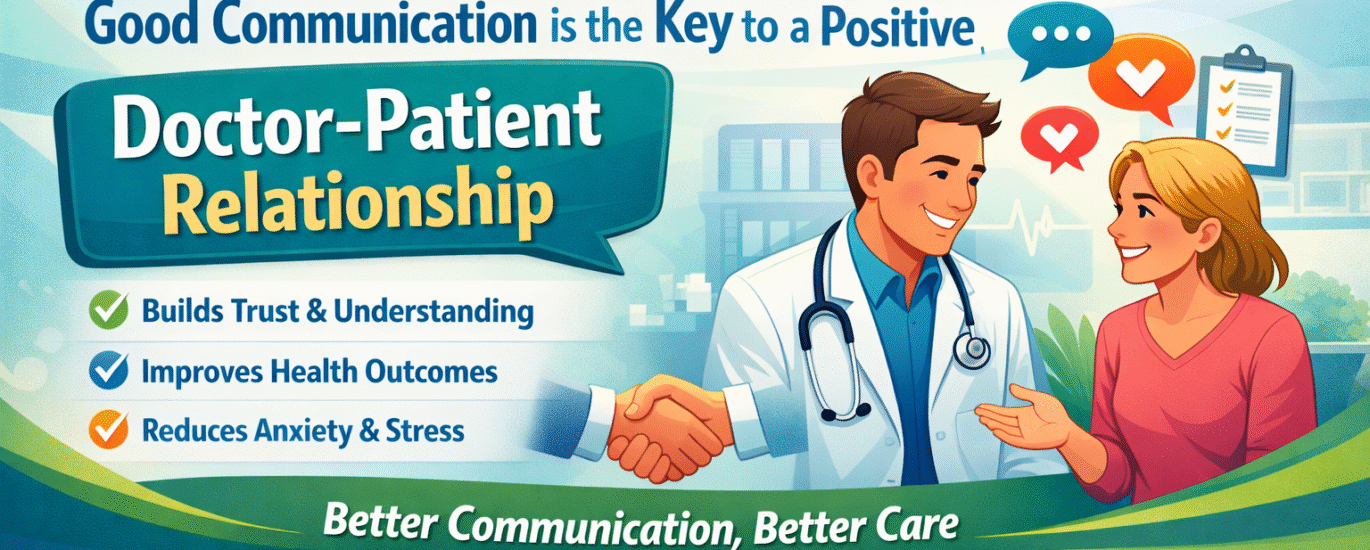
In healthcare, trust is everything—and at the heart of that trust lies effective communication. A strong doctor-patient relationship is not built on medical expertise alone; it thrives on clarity, empathy, and mutual understanding. Good communication ensures better diagnosis, improved treatment outcomes, and a more satisfying healthcare experience for both patients and doctors.
Why Communication Matters in Healthcare
When patients visit a doctor, they often feel anxious, confused, or even overwhelmed. Clear and compassionate communication helps ease these concerns. It allows patients to openly share their symptoms, medical history, and worries, which plays a crucial role in accurate diagnosis and treatment planning.
For doctors, effective communication is not just about giving instructions—it’s about listening actively and understanding the patient’s perspective.
Building Trust Through Communication
Trust forms the foundation of any successful doctor-patient relationship. When doctors communicate transparently—explaining conditions, treatment options, and possible outcomes—patients feel more confident and involved in their care.
Simple actions like maintaining eye contact, using easy-to-understand language, and showing empathy can make patients feel valued and respected.
Benefits of Good Doctor-Patient Communication
1. Accurate Diagnosis
When patients feel comfortable, they are more likely to share all relevant details, helping doctors make better-informed decisions.
2. Better Treatment Adherence
Patients who clearly understand their treatment plans are more likely to follow them correctly, leading to improved health outcomes.
3. Reduced Anxiety and Stress
Clear explanations reduce fear and uncertainty, making patients feel more at ease during consultations.
4. Fewer Misunderstandings
Effective communication minimizes errors, confusion, and misinterpretation of medical advice.
5. Increased Patient Satisfaction
A positive interaction encourages patients to trust their doctor and return for future care when needed.
Role of Active Listening
Communication is a two-way process. While doctors provide guidance, listening is equally important. Active listening involves:
- Giving full attention to the patient
- Not interrupting unnecessarily
- Acknowledging concerns
- Asking relevant follow-up questions
This approach helps patients feel heard and understood.
Use of Simple and Clear Language
Medical terms can often be confusing for patients. Doctors should aim to explain conditions and treatments in simple, non-technical language. This ensures patients fully understand their health situation and can make informed decisions.
Importance of Non-Verbal Communication
Body language, facial expressions, and tone of voice also play a significant role. A warm smile, calm tone, and attentive posture can create a comfortable and reassuring environment for patients.
Encouraging Patient Participation
Patients should feel encouraged to ask questions and express their concerns. When patients actively participate in discussions about their health, it leads to better decision-making and stronger engagement in their treatment process.
Conclusion
Good communication is not just a skill—it is a vital component of quality healthcare. A positive doctor-patient relationship built on trust, empathy, and clear communication leads to better health outcomes and a more humane healthcare experience.
Healthcare professionals who prioritize communication not only heal illnesses but also build lasting relationships with their patients.