

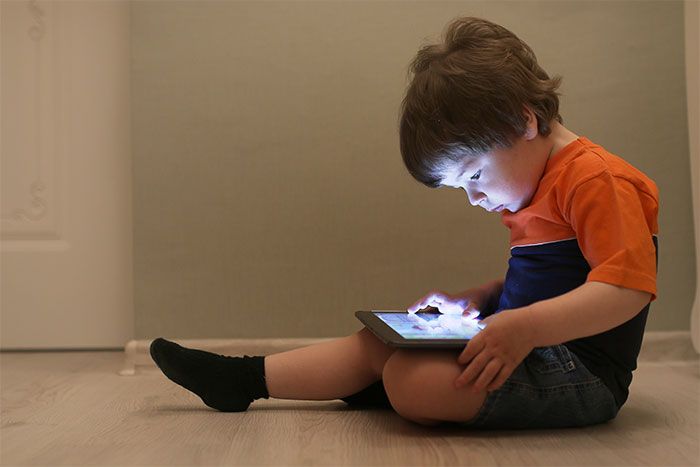
In today’s digital age, screens are everywhere—online classes, gaming, social media, and entertainment. While technology offers many benefits, excessive screen time is increasingly affecting the eye health of children and young adults. One of the most common issues? Eye strain.
Understanding how screen habits impact vision—and how to prevent problems early—can help protect long-term eye health.
What Is Digital Eye Strain?
Digital eye strain (also called computer vision syndrome) occurs when prolonged screen use puts stress on the eyes. Unlike reading from paper, screens force the eyes to work harder due to glare, blue light, and constant focus.
Why Kids & Young People Are More at Risk
- Increased screen time for education and entertainment
- Less outdoor activity
- Poor posture while using devices
- Lack of awareness about eye care
Young eyes are still developing, making them more sensitive to digital strain.
Common Symptoms of Eye Strain
- Dry or irritated eyes
- Blurred vision
- Headaches
- Eye fatigue or heaviness
- Difficulty focusing
- Neck and shoulder pain
If these symptoms occur regularly, screen habits may be the cause.
How Screen Habits Affect Eye Health
1. Reduced Blinking
While using screens, blinking decreases significantly, leading to dry eyes.
2. Blue Light Exposure
Screens emit blue light, which can contribute to eye fatigue and may disrupt sleep patterns.
3. Prolonged Focus
Staring at a screen for long periods strains the eye muscles, making it harder to focus over time.
4. Poor Viewing Distance
Holding devices too close increases stress on the eyes.
Long-Term Effects (If Ignored)
- Chronic eye discomfort
- Increased risk of myopia (nearsightedness)
- Sleep disturbances
- Reduced concentration
Prevention Tips for Healthy Eyes
1. Follow the 20-20-20 Rule
Every 20 minutes, look at something 20 feet away for 20 seconds.
2. Adjust Screen Settings
- Reduce brightness
- Use night mode/blue light filters
- Increase text size
3. Maintain Proper Distance
Keep screens at least 18–24 inches away from the eyes.
4. Limit Screen Time
Encourage regular breaks and set daily screen limits, especially for children.
5. Increase Outdoor Activities
Natural light and distance viewing help relax eye muscles and reduce strain.
6. Maintain Good Posture
Sit upright with the screen at eye level to reduce strain on eyes and neck.
7. Blink More Often
Remind yourself or your child to blink to keep eyes moist.
When to See a Doctor
Consult an eye specialist if:
- Symptoms persist despite breaks
- Vision becomes blurry frequently
- Headaches increase
- Eye discomfort affects daily activities
Final Thoughts
Screens are an essential part of modern life—but balance is key. With the right habits, awareness, and preventive care, kids and young people can enjoy technology without compromising their eye health.
Healthy screen habits today lead to better vision tomorrow.