High blood pressure, also known as Hypertension, is often called the “silent killer” because it can damage the body for years without noticeable symptoms. Many people live with hypertension without realizing the serious harm it can cause to vital organs such as the heart, brain, kidneys, eyes, and blood vessels. If left untreated, high blood pressure significantly increases the risk of life-threatening conditions including heart attack, stroke, and kidney failure.
Understanding how high blood pressure affects the body is essential for prevention, early diagnosis, and long-term health management.
What Is High Blood Pressure?
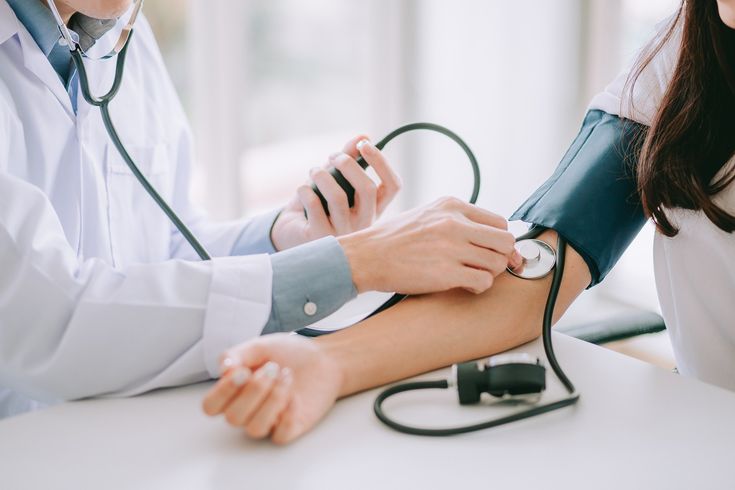
Blood pressure is the force of blood pushing against the walls of the arteries as the heart pumps blood throughout the body. A normal blood pressure reading is generally around 120/80 mmHg. When this pressure remains consistently high, the heart and blood vessels are forced to work harder than normal.
Hypertension develops gradually and may be caused by several factors, including:
- Excess salt intake
- Obesity
- Lack of physical activity
- Smoking and alcohol consumption
- Stress and anxiety
- Family history
- Diabetes and kidney disease
- Aging
Over time, continuous pressure damages arteries and organs, leading to severe health complications.
Effects of High Blood Pressure on Different Parts of the Body
1. Heart Damage
The heart is one of the most affected organs in people with hypertension. Constant high pressure makes the heart work harder to pump blood, which can weaken the heart muscle over time.
Common Heart Problems Caused by Hypertension
A. Coronary Artery Disease
High blood pressure damages artery walls, allowing fatty deposits to build up. This narrows the arteries and reduces blood flow to the heart.
B. Heart Attack
Blocked blood flow to the heart muscle can cause a heart attack, a potentially fatal condition.
C. Heart Failure
The heart becomes enlarged and weak due to overworking, eventually losing its ability to pump blood effectively.
D. Irregular Heartbeat
Hypertension may increase the risk of abnormal heart rhythms, which can lead to serious complications.
2. Brain Complications
The brain depends on healthy blood vessels to receive oxygen and nutrients. High blood pressure can weaken or block these vessels, leading to neurological problems.
Stroke
One of the most dangerous complications of hypertension is stroke. It occurs when blood flow to the brain is interrupted or when a blood vessel bursts.
Memory Problems and Dementia
Reduced blood supply to the brain may affect memory, concentration, and cognitive function. Long-term hypertension has been linked to vascular dementia.
Transient Ischemic Attack (TIA)
Often called a “mini-stroke,” a TIA is a temporary blockage of blood flow to the brain and serves as a warning sign for future strokes.
3. Kidney Damage
The kidneys filter waste and excess fluids from the blood. High blood pressure can damage the delicate blood vessels inside the kidneys.
How Hypertension Affects the Kidneys
- Reduces kidney function
- Causes fluid retention
- Leads to chronic kidney disease
- Increases risk of kidney failure
People with both diabetes and hypertension are at especially high risk for kidney complications.
4. Eye Damage
The tiny blood vessels in the eyes are extremely sensitive to high blood pressure.
Vision Problems Caused by Hypertension
- Blurred vision
- Bleeding in the eyes
- Swelling of the optic nerve
- Vision loss
This condition is known as hypertensive retinopathy and can become permanent if blood pressure remains uncontrolled.
5. Damage to Blood Vessels and Arteries
Healthy arteries are flexible and strong. High blood pressure causes artery walls to become thick, narrow, and less elastic.
Possible Complications
- Aneurysm (bulging artery that may rupture)
- Peripheral artery disease
- Reduced blood circulation
- Increased risk of blood clots
Poor circulation may also cause leg pain, numbness, and fatigue.
6. Sexual Health Problems
Hypertension can reduce blood flow throughout the body, including reproductive organs.
In Men
- Erectile dysfunction
- Reduced sexual performance
In Women
- Reduced libido
- Vaginal dryness
- Decreased sexual satisfaction
These issues are often overlooked but can significantly affect quality of life.
7. Bone and Metabolic Effects
Some studies suggest long-term high blood pressure may increase calcium loss through urine, potentially weakening bones and increasing osteoporosis risk.
Hypertension is also closely linked with metabolic disorders such as obesity and diabetes.
Symptoms of High Blood Pressure
Many people with hypertension experience no symptoms. However, severely elevated blood pressure may cause:
- Headaches
- Dizziness
- Shortness of breath
- Chest pain
- Nosebleeds
- Fatigue
- Blurred vision
Because symptoms may not appear until damage has already occurred, regular blood pressure monitoring is extremely important.
Risk Factors for High Blood Pressure
Several factors increase the likelihood of developing hypertension:
- Unhealthy diet
- High salt intake
- Smoking
- Alcohol consumption
- Stress
- Sedentary lifestyle
- Obesity
- Family history
- Diabetes
- Older age
Managing these risk factors can greatly reduce complications.
How to Prevent and Control High Blood Pressure
The good news is that hypertension can often be prevented and controlled through healthy lifestyle choices.
1. Eat a Healthy Diet
Focus on:
- Fruits and vegetables
- Whole grains
- Lean protein
- Low-fat dairy
- Reduced salt intake
2. Exercise Regularly
At least 30 minutes of moderate exercise most days of the week can help lower blood pressure.
3. Maintain a Healthy Weight
Weight loss significantly improves blood pressure levels.
4. Avoid Smoking and Limit Alcohol
Both smoking and excessive alcohol damage blood vessels and raise blood pressure.
5. Manage Stress
Meditation, yoga, deep breathing, and proper sleep help reduce stress levels.
6. Take Medications Properly
Doctors may prescribe medications to control hypertension. Never stop medications without medical advice.
When to See a Doctor
You should seek medical attention if you experience:
- Consistently high blood pressure readings
- Severe headaches
- Chest pain
- Sudden vision changes
- Difficulty breathing
- Weakness or numbness
Early diagnosis and treatment can prevent severe complications and improve quality of life.
Conclusion
Hypertension affects nearly every organ in the body when left uncontrolled. From heart disease and stroke to kidney failure and vision loss, the effects can be serious and sometimes irreversible. Because hypertension often develops silently, regular health checkups and healthy lifestyle habits are essential.
Controlling blood pressure through proper diet, exercise, stress management, and medical treatment can protect the body and help people live longer, healthier lives.