A heart attack is one of the most serious medical emergencies that can happen without warning. Every year, millions of people across the world suffer from heart attacks, and many cases become dangerous because the warning signs are ignored or misunderstood. While some heart attacks happen suddenly and intensely, many begin slowly with mild symptoms that people often mistake for acidity, fatigue, stress, or muscle pain.
Understanding the early warning signs of a heart attack can save lives. Quick medical attention can reduce heart damage, improve recovery, and increase survival chances. This is why everyone — regardless of age or gender — should know the symptoms and act immediately when they appear.
What Is a Heart Attack?
A heart attack, also known as myocardial infarction, occurs when blood flow to a part of the heart becomes blocked. This blockage usually happens because of fat, cholesterol, and plaque buildup in the coronary arteries. Without enough oxygen-rich blood, the heart muscle begins to get damaged.
Heart attacks can happen to both men and women, and nowadays even younger adults are increasingly at risk due to unhealthy lifestyles, stress, smoking, obesity, diabetes, and lack of physical activity.
Common Warning Signs of a Heart Attack
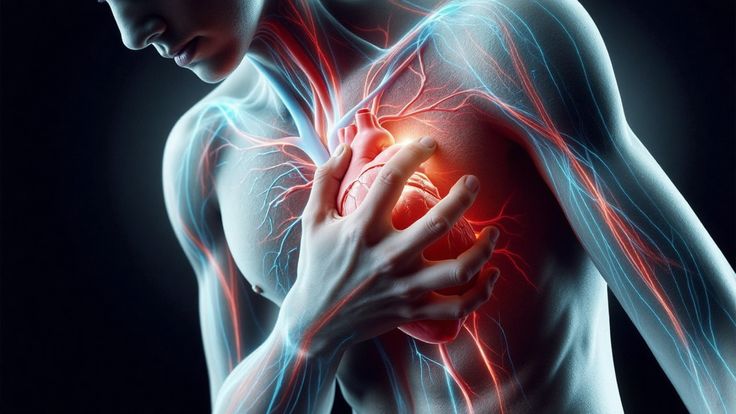
1. Chest Pain or Discomfort
Chest pain is the most common symptom of a heart attack. People often describe it as:
- Pressure in the chest
- Tightness or squeezing sensation
- Burning feeling
- Heaviness in the center of the chest
The discomfort may last for several minutes or come and go repeatedly. Some people mistake it for gas or indigestion.
2. Pain Spreading to Other Parts of the Body
Heart attack pain may not stay limited to the chest. It can spread to:
- Left arm
- Both arms
- Neck
- Jaw
- Back
- Shoulders
- Upper stomach
This pain may feel dull, aching, or uncomfortable rather than sharp.
3. Shortness of Breath
Difficulty breathing can occur with or without chest pain. A person may feel unable to take a deep breath even while resting or doing light activities.
Shortness of breath is especially common in women and older adults.
4. Excessive Sweating
Sudden cold sweats or unusual sweating without physical activity can be an important warning sign. Many people describe it as feeling clammy or drenched in sweat.
5. Nausea, Vomiting, or Indigestion
Some heart attacks begin with stomach-related symptoms such as:
- Nausea
- Vomiting
- Heartburn
- Indigestion
- Stomach discomfort
These symptoms are more commonly seen in women.
6. Extreme Fatigue
Feeling unusually tired for no clear reason can be an early warning sign, especially in women. Simple tasks like climbing stairs, walking, or doing household work may suddenly feel exhausting.
7. Dizziness or Lightheadedness
A heart attack can reduce blood flow to the brain, causing:
- Dizziness
- Weakness
- Fainting sensation
- Sudden imbalance
This symptom should never be ignored, especially when combined with chest discomfort or breathlessness.
Heart Attack Symptoms in Women
Women may experience different symptoms compared to men. Many women do not have severe chest pain and instead experience subtle signs such as:
- Unusual fatigue
- Neck or jaw pain
- Back pain
- Nausea
- Shortness of breath
- Dizziness
Because the symptoms may appear less obvious, women sometimes delay seeking treatment.
Silent Heart Attacks
Not all heart attacks are dramatic. Some are called “silent heart attacks” because symptoms are mild or unnoticed. A person may feel:
- Mild discomfort
- Weakness
- Sweating
- Shortness of breath
- Fatigue
Silent heart attacks are common in people with diabetes and older adults.
Major Risk Factors for Heart Attack
Several lifestyle and medical conditions increase heart attack risk, including:
- High blood pressure
- Diabetes
- High cholesterol
- Smoking
- Obesity
- Stress
- Lack of exercise
- Unhealthy diet
- Excessive alcohol intake
- Family history of heart disease
Young adults are also becoming more vulnerable because of sedentary lifestyles, junk food consumption, sleep deprivation, and stress.
What To Do During a Heart Attack
If you or someone nearby experiences heart attack symptoms:
- Call emergency medical help immediately.
- Sit down and stay calm.
- Loosen tight clothing.
- Avoid physical exertion.
- If advised by a doctor, chew an aspirin while waiting for help.
- Never ignore symptoms or wait for them to disappear.
Quick treatment can save heart muscle and reduce complications.
How to Prevent a Heart Attack
Prevention is always better than cure. Healthy lifestyle habits can significantly lower heart disease risk.
Healthy habits include:
- Eating a balanced diet rich in fruits and vegetables
- Exercising regularly
- Maintaining healthy weight
- Quitting smoking
- Limiting alcohol
- Managing stress
- Sleeping properly
- Monitoring blood pressure, sugar, and cholesterol
Regular health checkups are important, especially for people above 30 or those with risk factors.
Conclusion
Heart attacks can happen suddenly, but the body often gives warning signs before the condition becomes severe. Recognizing symptoms such as chest discomfort, breathlessness, sweating, fatigue, and pain spreading to the arm or jaw can help save lives.
Never ignore unusual symptoms, especially if they appear suddenly or repeatedly. Early medical attention is the key to survival and recovery. Awareness, healthy habits, and timely action can protect you and your loved ones from serious heart complications.