
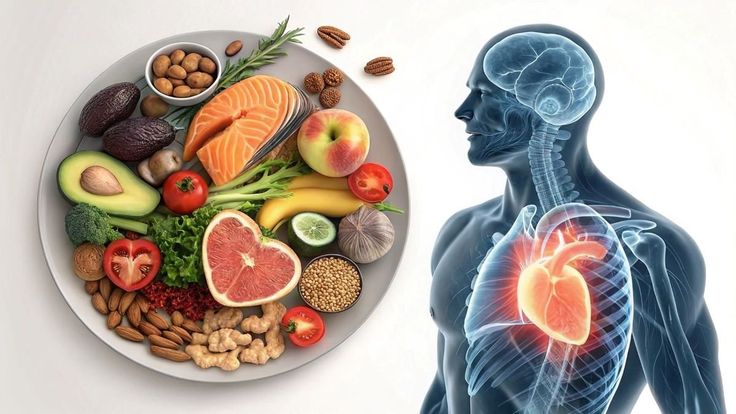
Heart health is one of the most important aspects of overall well-being. With the growing number of lifestyle-related diseases such as high blood pressure, obesity, diabetes, and heart disease, maintaining a healthy heart has become more essential than ever. While regular exercise, stress management, and proper sleep play a major role in cardiovascular wellness, diet remains one of the strongest factors influencing heart health.
The food we consume directly affects blood pressure, cholesterol levels, inflammation, blood sugar, and body weight — all of which are closely linked to heart disease. Choosing heart-friendly foods can help reduce the risk of heart attacks, strokes, and other cardiovascular conditions while improving energy levels and quality of life.
In this blog, we will explore the best foods that help maintain heart health and understand how they benefit the body.
Why Heart-Healthy Eating Matters
The heart continuously pumps blood throughout the body, supplying oxygen and nutrients to every organ. Poor dietary habits can lead to the buildup of fatty deposits in the arteries, increasing the risk of blocked blood flow, high cholesterol, and hypertension.
A heart-healthy diet helps:
- Lower bad cholesterol (LDL)
- Increase good cholesterol (HDL)
- Maintain healthy blood pressure
- Reduce inflammation
- Control body weight
- Improve blood circulation
- Reduce the risk of heart disease and stroke
Making smart food choices today can protect your heart for years to come.
Best Foods for Heart Health
1. Fatty Fish
Fatty fish such as salmon, sardines, tuna, and mackerel are rich in omega-3 fatty acids. Omega-3s are healthy fats that help reduce inflammation, lower triglycerides, and decrease the risk of irregular heartbeats.
Benefits:
- Lowers blood pressure
- Reduces bad cholesterol
- Prevents artery blockage
- Supports healthy blood circulation
How to Include:
Try eating fatty fish at least 2 times a week. Grilled or baked fish is healthier than fried options.
2. Leafy Green Vegetables
Spinach, kale, lettuce, fenugreek leaves, and other leafy greens are packed with vitamins, minerals, antioxidants, and dietary nitrates.
Benefits:
- Helps regulate blood pressure
- Improves blood vessel function
- Reduces inflammation
- Supports healthy circulation
Best Ways to Eat:
Add greens to salads, soups, smoothies, or lightly cooked vegetable dishes.
3. Whole Grains
Whole grains such as oats, brown rice, quinoa, barley, and whole wheat contain fiber and nutrients that help maintain healthy cholesterol levels.
Benefits:
- Lowers LDL cholesterol
- Improves digestion
- Controls blood sugar
- Supports weight management
Heart-Friendly Tip:
Replace refined flour and white rice with whole-grain alternatives whenever possible.
4. Nuts and Seeds
Almonds, walnuts, flaxseeds, chia seeds, and sunflower seeds are excellent sources of healthy fats, fiber, and antioxidants.
Benefits:
- Reduces bad cholesterol
- Supports healthy arteries
- Provides healthy fats
- Helps control hunger
Recommended Intake:
A small handful of unsalted nuts daily can support heart health.
5. Fruits Rich in Antioxidants
Fruits such as berries, oranges, apples, pomegranates, and bananas contain vitamins, fiber, and antioxidants that protect the heart.
Benefits:
- Reduces oxidative stress
- Helps control blood pressure
- Improves cholesterol levels
- Supports overall cardiovascular health
Healthy Habit:
Choose fresh fruits instead of sugary desserts or processed snacks.
6. Avocados
Avocados contain healthy monounsaturated fats that help improve cholesterol balance.
Benefits:
- Lowers LDL cholesterol
- Provides potassium for blood pressure control
- Supports heart function
Easy Uses:
Add avocado slices to salads, sandwiches, or smoothies.
7. Olive Oil
Olive oil is widely known as a heart-friendly cooking oil due to its healthy fats and antioxidants.
Benefits:
- Reduces inflammation
- Supports healthy cholesterol
- Protects blood vessels
Usage Tip:
Use olive oil for salad dressings or light cooking instead of butter or refined oils.
8. Beans and Legumes
Lentils, chickpeas, kidney beans, black beans, and peas are excellent plant-based protein sources.
Benefits:
- Rich in fiber
- Helps lower cholesterol
- Supports blood sugar control
- Keeps you full for longer
Heart-Healthy Meal Idea:
Include dal, bean salads, or soups in your regular diet.
9. Dark Chocolate
Dark chocolate with high cocoa content contains flavonoids that may improve heart health when consumed in moderation.
Benefits:
- Supports blood circulation
- May reduce blood pressure
- Contains antioxidants
Important Note:
Choose dark chocolate with low sugar and consume in small amounts.
10. Green Tea
Green tea is rich in antioxidants and plant compounds that support cardiovascular wellness.
Benefits:
- Helps improve metabolism
- Supports healthy blood vessels
- Reduces inflammation
Best Practice:
Drink green tea without excessive sugar for maximum benefits.
Foods to Limit for Better Heart Health
While adding healthy foods is important, reducing harmful foods is equally necessary.
Try to limit:
- Processed foods
- Fried foods
- Sugary beverages
- Excess salt
- Red and processed meat
- Trans fats
- Excess alcohol
Reducing these foods can significantly lower the risk of heart-related problems.
Lifestyle Tips for a Healthy Heart
A balanced diet works best when combined with healthy lifestyle habits.
Important Heart-Healthy Habits:
- Exercise regularly
- Maintain a healthy weight
- Stay hydrated
- Avoid smoking
- Manage stress
- Get enough sleep
- Monitor blood pressure and cholesterol
Small daily changes can create long-term benefits for heart health.
Conclusion
Maintaining heart health is not about following a strict diet for a few days — it is about making healthier food choices consistently. Including nutrient-rich foods like fruits, vegetables, whole grains, nuts, fish, and legumes can greatly improve cardiovascular wellness and reduce the risk of heart disease.
A healthy heart supports a healthier life. By eating wisely and adopting a balanced lifestyle, you can protect your heart and enjoy better physical and mental well-being for years to come.