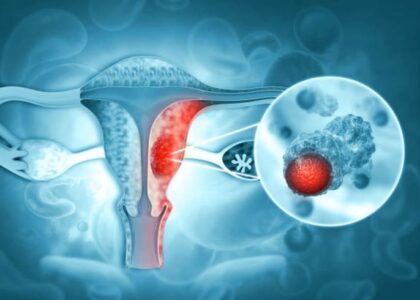


Ovulation is a vital part of the menstrual cycle, and your body sends out clear signals when it happens. While these signs can be subtle, they offer deep insights into your overall reproductive health. Understanding these changes helps you recognize what is normal for your body and empowers you to make informed health decisions.
At Galaxy Hospital, we believe that being “in tune” with your body is the first step toward wellness. Here are the 9 key signs of ovulation every woman should know.
What is Ovulation?
Ovulation is the phase in your menstrual cycle when one of the ovaries releases a mature egg. This typically occurs once per cycle. After release, the egg travels into the fallopian tube, where it can be fertilized. This is your “fertile window”—the time when the chances of pregnancy are at their highest.
When Does Ovulation Occur?
In a typical 28-day cycle, ovulation usually happens around Day 14 (counting from the first day of your period). However, cycles vary. It generally takes place about 12 to 14 days before your next period begins.
9 Signs and Symptoms of Ovulation
1. Changes in Cervical Mucus As you approach ovulation, your cervical mucus becomes clearer, wetter, and stretchier—often resembling raw egg whites. This texture helps sperm travel more easily.
2. A Rise in Basal Body Temperature (BBT) Your BBT is your body’s temperature at rest. After ovulation, you may notice a slight rise of 0.2°C to 0.5°C due to increased progesterone.
3. Mild Pelvic Pain (Mittelschmerz) Some women feel a brief, sharp twinge or a dull ache on one side of the lower abdomen. This is caused by the follicle releasing the egg and is usually harmless.
4. Breast Tenderness Hormonal surges (Estrogen and LH) can make your breasts feel sensitive or sore. If this happens consistently mid-cycle, it is a strong indicator of ovulation.
5. Heightened Sense of Smell You might find yourself more sensitive to certain scents. This sharpened sense is a subtle biological side effect of shifting hormone levels.
6. Light Spotting A tiny amount of pinkish or brown discharge can occur when the follicle ruptures. While not every woman experiences this, it is considered normal.
7. Increased Libido A natural rise in sex drive often occurs during your most fertile phase, driven by a spike in estrogen and testosterone.
8. Changes in Cervical Position During ovulation, the cervix shifts higher, feels softer to the touch, and opens slightly to facilitate the passage of sperm.
9. Mild Bloating Rising estrogen levels can lead to water retention. This mid-cycle bloating is usually lighter and shorter-lived than the bloating felt before a period.
How to Track Ovulation Effectively
- Monitor Discharge: Look for that “egg-white” consistency.
- Log Your Temperature: Use a digital thermometer every morning before getting out of bed.
- Ovulation Predictor Kits (OPKs): These tests detect the LH surge in your urine that happens 24–48 hours before ovulation.
- Use a Cycle App: Logging your symptoms monthly helps you identify your unique patterns.
When to Seek Medical Advice
While ovulation is a natural process, certain signs may indicate an underlying hormonal or reproductive issue. Consult a specialist if you experience:
- Irregular Cycles: Periods that vary significantly in length each month.
- Absent Ovulation: No discernible signs of ovulation over several cycles.
- Severe Pain: Intense pelvic pain that interferes with your daily activities.
- Heavy Mid-Cycle Bleeding: Spotting that is heavy or lasts more than two days.
- Difficulty Conceiving: If you have been tracking ovulation and trying to conceive for 6–12 months without success.
Consult the Experts at Galaxy Hospital
Understanding your cycle shouldn’t be a guessing game. If you have concerns about your reproductive health, unpredictable cycles, or painful ovulation, our team is here for you.
At Galaxy Hospital, our experienced gynecologists provide personalized care and diagnostic support to help you understand your body better.
Take the next step in your health journey. Contact Galaxy Hospital today to book a consultation.