
Contraceptive pills have been a cornerstone of women’s reproductive health for decades. Millions of women rely on them every day—some to prevent pregnancy, others to manage conditions like PCOS, endometriosis, or severe menstrual cramps.
Despite their prevalence, a common question persists: Do contraceptive pills adversely impact a woman’s health?
At Galaxy Hospital, we believe that informed choices lead to better health outcomes. This guide breaks down the facts, risks, and benefits of oral contraceptives to help you navigate your options with confidence.
Understanding Contraceptive Pills
Often referred to simply as “the pill,” these are medications containing synthetic versions of the hormones estrogen and/or progesterone. They act similarly to the hormones your body produces naturally.
While their primary role is pregnancy prevention, they are also highly effective for:
- Regulating irregular menstrual cycles.
- Managing hormonal acne.
- Reducing heavy menstrual bleeding (Menorrhagia).
- Alleviating symptoms of Polycystic Ovary Syndrome (PCOS).
- Controlling pain related to endometriosis.
How Do Contraceptive Pills Work?
The pill is more than 99% effective when taken perfectly. It protects against pregnancy through three primary mechanisms:
- Inhibiting Ovulation: It prevents the ovaries from releasing an egg. If there is no egg, fertilization cannot occur.
- Thickening Cervical Mucus: It changes the consistency of mucus at the cervix, making it difficult for sperm to enter the uterus.
- Altering the Uterine Lining: It thins the endometrium (the lining of the womb), making it unlikely for a fertilized egg to implant.
Common Side Effects: What to Expect
Like any medication, contraceptive pills can have side effects. For most women, these are mild and usually resolve within two to three months as the body adjusts to the hormones.
- Nausea: Occasionally felt during the first few weeks.
- Headaches: Minor hormonal fluctuations can trigger mild headaches.
- Breast Tenderness: Breasts may feel slightly fuller or sensitive.
- Spotting: Also known as “breakthrough bleeding,” this is common during the first few cycles.
- Mood Changes: Some women report mild shifts in mood or libido.
A Note on Serious Risks: While rare, hormonal contraceptives can increase the risk of blood clots or high blood pressure in specific groups—particularly women who smoke, are over the age of 35, or have a history of cardiovascular issues. This is why a medical consultation is essential before starting any hormonal treatment.
Impact on the Menstrual Cycle
For many, the “side effects” on the menstrual cycle are actually seen as benefits. The pill typically results in:
- Predictability: You will know exactly when your withdrawal bleed will occur.
- Lighter & Shorter Periods: A thinner uterine lining means less bleeding and fewer days of menstruation.
- Reduced Dysmenorrhea: Most women experience significantly fewer and less intense menstrual cramps.
The Benefits Beyond Contraception
The advantages of the pill often outweigh the risks for many users:
- Skin Health: Many formulations are FDA-approved to treat hormonal acne by reducing oil-stimulating androgens.
- Anemia Prevention: By reducing heavy blood loss, the pill helps prevent iron deficiency.
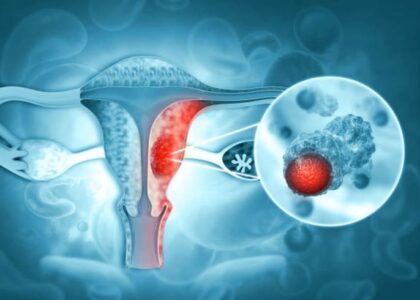
- Lower Cancer Risk: Long-term use of the pill has been linked to a reduced risk of ovarian and endometrial cancers.